Shingles

Shingle Roofing - NY Roofing

Shingle Roofing vs Flat Roofing: Which Is Best for NYC Homes?

Choosing between shingle roofing vs flat roofing is one of the most important decisions for NYC homeowners. New York roofs deal with heavy rain, snow, high winds, summer heat, freeze-thaw cycles, and dense urban building conditions. Because of this, the right roof is not always the one that looks better or costs less upfront. Many homeowners compare flat roof vs shingles when planning roof repair, replacement, or a new roofing system. A shingles roof is usually found on sloped residential homes, while a flat roof is common on brownstones, row houses, apartment buildings, and multi-family properties. What Is Shingle Roofing? Shingle roofing uses overlapping roof shingles installed on a sloped roof. This system is designed to shed rain, snow, and debris away from the home. Shingles are placed in rows from the lower edge of the roof upward. Each row overlaps the one below it, creating a layered surface that helps move water down the roof. This is why shingles work best on roofs with proper slope. Roof shingles can be made from asphalt, composite materials, metal, slate-style materials, or other products. Asphalt shingles are the most common because they are affordable, widely available, and easier to repair. Shingle Roofing: Traditional, Affordable & Versatile Shingle roofing is a classic choice for NYC homes with sloped roofs. It gives homes a familiar residential appearance and works well with many architectural styles. One major reason homeowners choose shingles is affordability. Asphalt shingle roofing usually has a lower upfront cost than many premium roofing systems. It is also easier to repair when only a small area is damaged. For many NYC homeowners, shingles offer a balance of cost, appearance, and repair flexibility. Types of Roofing Shingles Used in NYC NYC homeowners can choose from several roofing shingle types. The right option depends on budget, roof slope, home style, weather exposure, and long-term maintenance needs. Common roofing shingles include: Asphalt shingles: Affordable, widely used, and easy to repair for most sloped homes. Architectural shingles: Thicker shingles with better durability and stronger curb appeal. Composite shingles: Designed to imitate slate, wood, or premium roofing materials. Metal shingles: A stronger option for homeowners who want longer-term performance. Slate-style shingles: Useful for premium or historic-style homes where appearance matters. Impact-resistant shingles: Helpful for homes exposed to wind, storms, and falling debris. For most NYC homes, asphalt and architectural shingles are the most practical options. They balance price, appearance, and repair convenience. Composite, slate-style, or metal shingles may be better for homeowners who want a more premium look. Pros and Cons of Shingle Roofing Shingle roofing is popular because it is affordable, familiar, and visually appealing. It is especially useful for residential homes with proper roof slope and good ventilation. The main advantages include lower upfront cost, easier shingle roof repair, strong curb appeal, and broad style choices. If only a few shingles are damaged, a roofer may be able to repair that section without replacing the entire roof. The disadvantages are mostly weather-related. Shingles can be affected by wind, ice dams, heavy rain, UV exposure, and falling debris. Over time, shingles may curl, crack, loosen, or lose protective granules. In NYC, shingle roofing performs best when gutters are clean, flashing is secure, and attic ventilation is working properly. Without maintenance, small shingle problems can turn into leaks and interior damage. Shingle Roofing Lifespan in NYC Conditions Shingle roofing lifespan depends on shingle quality, installation, ventilation, roof slope, and maintenance. NYC weather can shorten roof life when small problems are ignored. Summer heat also affects shingles. UV exposure can dry out asphalt materials, weaken the surface, and cause granule loss. Once granules wear away, shingles become more vulnerable to cracking and aging. A shingle vs flat roof lifespan comparison should focus on roof fit. Shingles can last well on pitched roofs, but they are not designed for low-slope surfaces. Regular inspections help protect shingle roofing in NYC conditions. Understanding Flat Roofing Flat roofing is a low-slope roofing system used on many NYC brownstones, apartment buildings, row homes, commercial properties, and multi-family buildings. Unlike shingle roofing, flat roofing does not rely on steep slope to move water quickly. It uses waterproof membranes, drainage systems, seams, flashing, and slight slope to control water. However, flat roofs require strong installation and regular maintenance. Drainage problems, open seams, or damaged membranes can lead to leaks if ignored. What Is Flat Roofing? Flat roofing is a roof system with very low slope. It is not completely flat, but the slope is minimal compared to a pitched shingle roof. A flat roof system usually includes a roof deck, insulation, waterproof membrane, flashing, seams, drains, scuppers, gutters, and edge details. Each part must work together to keep water out. Flat roofing is common in NYC because many buildings have rectangular layouts, shared walls, and limited space. Brownstones, row houses, mixed-use buildings, and apartment properties often use flat roofs because they match the structure. Flat Roofing: Perfect for Brownstones & Multi-Family Buildings Flat roofing works well for brownstones and multi-family buildings because it fits NYC’s dense urban design. Many city properties have attached walls, narrow lots, and roof layouts that are not suited for steep roofing. A flat roof can also make better use of space. It may support HVAC units, vents, roof access, solar panels, skylights, or other building systems when properly designed. Flat roofing may not offer the same street-level curb appeal as shingles, but it provides strong practical value for many NYC properties. What Materials Should a Flat Roofer Use? The best flat roof materials depend on roof condition, building type, drainage, budget, and long-term performance needs. NYC flat roofs need materials that handle rain, snow, heat, ponding water, and rooftop access. Common flat roof materials include: EPDM roofing: Flexible rubber membrane for many low-slope roofs. TPO roofing: Reflective membrane often used for energy efficiency. PVC roofing: Strong option for moisture, grease, and chemical resistance. Modified bitumen: Durable asphalt-based system common on NYC flat roofs. Built-up roofing: Multi-layer waterproofing system for flat

Shingle Roofing vs Flat Roofing: Which Is Best for NYC Homes? Read More »
Roof Replacement-NY Roofing

Shingle Roofing in NYC: Best Asphalt & Slate Options, Common Problems & Replacement Signs

Shingle roofing in NYC remains one of the most popular choices for residential homes, townhouses, brownstones, and private properties. Roof shingles are widely used because they offer strong weather protection, flexible design options, and a practical balance between cost, durability, and curb appeal. In New York City, homeowners often compare asphalt roof shingles, slate roofing materials, metal shingle roof systems, and other roofing options before making a decision. Each material has its own benefits, lifespan, maintenance needs, and performance level in NYC weather. This guide explains the basics of shingle roofing, the best roofing shingles for NYC homes, asphalt and slate options, common shingle roof problems, repair signs, pricing factors, and when replacement may be the better long-term solution. Shingle Roofing in NYC: The Basics Homeowners Must Know Shingle roofing is a layered roofing system made from individual overlapping pieces. These pieces are installed from the lower edge of the roof upward, allowing water to shed properly and move away from the home. When installed correctly, shingles create a protective barrier against rain, snow, wind, heat, and moisture. NYC homeowners often choose shingle roofing because it works well for many residential roof styles. While flat roofs are common across the city, many private homes, attached houses, and older residential properties still use sloped roofs with shingles. Shingles are also easier to repair in smaller sections compared to some other roofing materials. The key to long-lasting performance is choosing the right material and having it installed by a professional roofer. Even the best roofing shingles can fail early if they are installed poorly or exposed to unresolved ventilation, flashing, or drainage issues. What Is Shingle Roofing? Shingle roofing uses individual roof shingles to protect the home from weather. Each shingle overlaps the one below it, creating a layered system that directs water down the roof slope. Roof shingles can be made from asphalt, slate, wood, metal, synthetic materials, or composite products. In NYC, asphalt shingles are the most common because they are affordable, available in many styles, and suitable for many residential homes. Slate roofing is also valued for historic homes and high-end properties because of its natural appearance and long lifespan. The main purpose of shingles is to protect the roof deck and interior of the home. Under the shingles, a complete roofing system may include underlayment, flashing, drip edges, ventilation, and waterproofing details. Why Shingle Roofing Is Popular Across NYC Shingle roofing is popular across NYC because it is practical and versatile. It can work on townhouses, brownstones, single-family homes, and multi-family residential properties with sloped roof sections. Asphalt shingles are especially common because they offer many design choices at a more accessible cost than slate or metal. Homeowners can choose colors, textures, and profiles that match the look of the property. Shingle roofing is also easier to repair when damage is limited. If a few shingles are missing or damaged, a roofer may be able to replace that area without replacing the full roof. This makes shingle roof repair a useful option when the roof is still in good overall condition. Types of Roof Shingles Used in NYC Homes NYC homeowners have several roof shingles to choose from. The best option depends on budget, roof slope, building style, structural support, lifespan goals, and maintenance expectations. The most common options include asphalt roof shingles, slate roofing materials, and metal shingle roof systems. Each material performs differently in NYC’s climate, where roofs face rain, snow, wind, freeze-thaw cycles, summer heat, and urban pollution. Asphalt Roof Shingles Asphalt roof shingles are the most common roofing choice for NYC residential properties. They are made from a fiberglass or organic base mat coated with asphalt and protective granules. These granules help protect the shingle from sunlight, weather exposure, and surface wear. An asphalt shingle roof can perform well when installed correctly and maintained regularly. It offers a good balance between cost, appearance, and durability. Asphalt shingles are also available in different grades, from basic 3-tab shingles to thicker architectural shingles. In NYC, asphalt shingles are a practical choice for homeowners who want reliable protection without the higher cost of slate or metal. However, they still need proper ventilation, flashing, and maintenance to prevent early failure. Slate Roofing Materials for NYC Properties Slate roofing materials are made from natural stone. They are known for long-lasting durability, elegant appearance, and strong architectural value. Slate is often seen on historic homes, luxury properties, and buildings where the roof is part of the home’s character. Natural slate roofing tiles can last much longer than many other materials when installed properly. They resist fire, weather, and aging better than many standard roofing products. Their appearance also gives homes a premium and timeless look. The main considerations with slate are weight, installation complexity, and cost. Slate is heavy, so the roof structure must be able to support it. It also requires experienced installers because broken or poorly installed slate tiles can lead to leaks detection. Metal Shingle Roof Systems A metal shingle roof can offer strong durability, wind resistance, and energy performance. Metal shingles are designed to look like traditional roofing materials while offering the strength of metal panels or metal roofing systems. Metal shingles can reflect heat better than some darker asphalt products, which may help reduce heat buildup. They can also perform well against wind and fire when properly installed. For NYC homes, metal shingles may be a good option when homeowners want a longer-lasting system with a different look than standard asphalt. However, installation quality is critical, and the upfront investment is usually higher than basic asphalt shingles. Asphalt Shingle Roofing in NYC: Complete Guide Asphalt shingle roofing remains the most widely used residential roofing option because it is flexible, familiar, and available in many styles. For NYC homeowners, asphalt shingles can provide dependable protection when the roof is properly installed and maintained. The quality of an asphalt shingle roof depends on more than the shingle itself. Underlayment, flashing, ventilation, fasteners, roof deck condition, and

Shingle Roofing in NYC: Best Asphalt & Slate Options, Common Problems & Replacement Signs Read More »

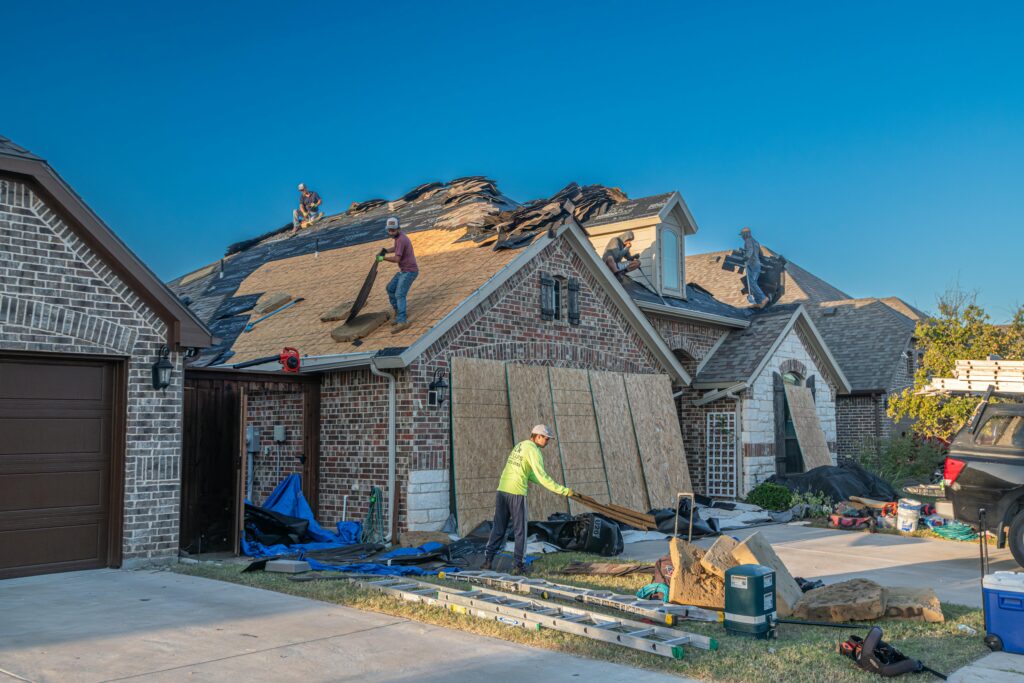
Workers are removing old shingles and repairing the roof of a brick house. Some workers are on the roof, while one is on the ground collecting debris. Construction materials and tools are scattered around the driveway.

Asphalt Shingle Roof Repair in Brooklyn: Common Issues

Asphalt shingle roofing is one of the most widely used roofing systems for residential properties across Brooklyn. From traditional homes to modern townhouses, asphalt shingles offer a balance of durability, affordability, and visual appeal. However, like any roofing material, they are not immune to wear and damage over time. Brooklyn’s climate, combined with aging structures and urban environmental factors, can lead to a range of roofing issues that require timely attention. Asphalt shingle roof repair in Brooklyn is a common necessity for homeowners looking to maintain the integrity of their property and avoid costly long-term damage. Understanding the most common issues associated with asphalt shingle roofs can help homeowners identify problems early and take the right steps to protect their homes. Why Asphalt Shingle Roofs Are Popular in Brooklyn Asphalt shingles remain a preferred choice for many Brooklyn homeowners due to their versatility and cost-effectiveness. They are available in a wide range of styles and colors, making it easier to match the architectural design of different homes. In addition, asphalt shingles are relatively easy to install and repair compared to other roofing materials. This makes them a practical option for residential properties that require ongoing maintenance. However, despite their advantages, asphalt shingles can develop issues over time, especially when exposed to harsh weather conditions and environmental stress. Common Asphalt Shingle Roof Problems Asphalt shingle roofs can experience several types of damage, many of which develop gradually. One of the most common issues is shingle cracking, which occurs when materials become brittle due to prolonged exposure to sunlight and temperature changes. Another frequent problem is curling or buckling shingles. This often happens when shingles age or when ventilation issues cause excessive heat buildup in the attic. Missing shingles are also a concern, particularly after strong winds or storms. When shingles are displaced, the underlying structure becomes exposed to moisture and potential damage. Leaks are among the most serious issues homeowners face. They can result from damaged shingles, faulty flashing, or poor installation. In Brooklyn homes, leaks often become noticeable through water stains or damp areas inside the property. Granule loss is another sign of aging shingles. Over time, shingles lose their protective coating, reducing their ability to withstand weather conditions and increasing the risk of damage. How Brooklyn Weather Impacts Shingle Roofs Brooklyn’s climate plays a significant role in the condition of asphalt shingle roofs. Seasonal changes, including heavy rain, snow, and temperature fluctuations, can accelerate wear and tear. During winter, freeze-thaw cycles can cause shingles to expand and contract, leading to cracks and structural stress. Snow accumulation can also add weight to the roof, increasing the risk of damage. In summer, high temperatures and UV exposure can cause shingles to dry out and become brittle. This makes them more susceptible to cracking and breakage. Wind is another factor that can affect shingle roofs. Strong gusts can lift or remove shingles, especially if they are already weakened. Signs Your Asphalt Shingle Roof Needs Repair Recognizing early warning signs is essential for preventing major roofing issues. One of the most obvious indicators is visible damage on the roof, such as cracked, curled, or missing shingles. Interior signs should also be taken seriously. Water stains on ceilings or walls often indicate a leak that needs immediate attention. Homeowners may also notice debris in gutters, including shingle granules. This is a sign that the roofing material is deteriorating and may require repair. In some cases, uneven roof surfaces or sagging areas can signal structural issues that go beyond surface-level damage. Repair Solutions for Asphalt Shingle Roofs The appropriate repair solution depends on the extent of the damage. For minor issues, such as a few damaged shingles, replacing individual shingles can restore the roof’s performance. If leaks are present, identifying and repairing the source of the problem is essential. This may involve fixing flashing, sealing gaps, or replacing damaged sections of the roof. In cases where damage is widespread, a more comprehensive repair approach may be required. This ensures that all affected areas are addressed and the roof can function effectively. For older roofs with significant wear, replacement may be the most practical option. However, timely repairs can often extend the life of the roof and delay the need for replacement. Importance of Professional Roof Inspection While some signs of damage are visible, many roofing issues are not immediately obvious. Professional inspections provide a thorough assessment of the roof’s condition. Experienced roofing contractors can identify hidden problems and recommend appropriate solutions based on the specific needs of the property. This is particularly important in Brooklyn, where buildings often have unique structural characteristics. Regular inspections also help homeowners plan for maintenance and avoid unexpected repair costs. Preventing Future Roofing Problems Preventive maintenance plays a key role in keeping asphalt shingle roofs in good condition. Regular inspections, timely repairs, and proper ventilation can significantly extend the lifespan of the roof. Keeping gutters clean ensures proper drainage and prevents water from accumulating on the roof. Addressing small issues early helps avoid larger problems in the future. Working with reliable roofing professionals ensures that repairs and maintenance are carried out correctly, reducing the risk of recurring issues. Conclusion Asphalt shingle roof repair in Brooklyn is an essential part of maintaining a safe and reliable home. By understanding common issues and addressing them promptly, homeowners can protect their property and avoid costly damage. Regular inspections, proper maintenance, and professional support are key to ensuring that asphalt shingle roofs continue to perform effectively in Brooklyn’s challenging climate. If your asphalt shingle roof is showing signs of damage or needs repair, NY Roofing is here to help. Our team provides reliable inspection and repair services tailored to Brooklyn homes. 📞 Call us today at (646) 838-0441 to schedule a roof inspection or get a free estimate. Common Questions About Asphalt Shingle Roof Repair in Brooklyn What are the most common asphalt shingle roof problems? Common issues include cracked or missing shingles, leaks, curling shingles, and granule loss due to weather exposure

Asphalt Shingle Roof Repair in Brooklyn: Common Issues Read More »

NY Roofing- Roof Replace

Shingle Roofing vs. Flat Roofing: Which Is Best for NYC Homes?

Choosing between shingle roofing vs flat roofing is one of the most important decisions for NYC homeowners. New York roofs deal with heavy rain, snow, high winds, summer heat, freeze-thaw cycles, and dense urban building conditions. Because of this, the right roof is not always the one that looks better or costs less upfront. Many homeowners compare flat roof vs shingles when planning roof repair, replacement, or a new roofing system. A shingles roof is usually found on sloped residential homes, while a flat roof is common on brownstones, row houses, apartment buildings, and multi-family properties. What Is Shingle Roofing? Shingle roofing uses overlapping roof shingles installed on a sloped roof. This system is designed to shed rain, snow, and debris away from the home. Shingles are placed in rows from the lower edge of the roof upward. Each row overlaps the one below it, creating a layered surface that helps move water down the roof. This is why shingles work best on roofs with proper slope. Roof shingles can be made from asphalt, composite materials, metal, slate-style materials, or other products. Asphalt shingles are the most common because they are affordable, widely available, and easier to repair. Shingle Roofing: Traditional, Affordable & Versatile Shingle roofing is a classic choice for NYC homes with sloped roofs. It gives homes a familiar residential appearance and works well with many architectural styles. One major reason homeowners choose shingles is affordability. Asphalt shingle roofing usually has a lower upfront cost than many premium roofing systems. It is also easier to repair when only a small area is damaged. For many NYC homeowners, shingles offer a balance of cost, appearance, and repair flexibility. Types of Roofing Shingles Used in NYC NYC homeowners can choose from several roofing shingle types. The right option depends on budget, roof slope, home style, weather exposure, and long-term maintenance needs. Common roofing shingles include: Asphalt shingles: Affordable, widely used, and easy to repair for most sloped homes. Architectural shingles: Thicker shingles with better durability and stronger curb appeal. Composite shingles: Designed to imitate slate roofing, wood, or premium roofing materials. Metal shingles: A stronger option for homeowners who want longer-term performance. Slate-style shingles: Useful for premium or historic-style homes where appearance matters. Impact-resistant shingles: Helpful for homes exposed to wind, storms, and falling debris. For most NYC homes, asphalt and architectural shingles are the most practical options. They balance price, appearance, and repair convenience. Composite, slate-style, or metal shingles may be better for homeowners who want a more premium look. Pros and Cons of Shingle Roofing Shingle roofing is popular because it is affordable, familiar, and visually appealing. It is especially useful for residential homes with proper roof slope and good ventilation. The main advantages include lower upfront cost, easier shingle roof repair, strong curb appeal, and broad style choices. If only a few shingles are damaged, a roofer may be able to repair that section without replacing the entire roof. The disadvantages are mostly weather-related. Shingles can be affected by wind, ice dams, heavy rain, UV exposure, and falling debris. Over time, shingles may curl, crack, loosen, or lose protective granules. In NYC, shingle roofing performs best when gutters are clean, flashing is secure, and attic ventilation is working properly. Without maintenance, small shingle problems can turn into leaks and interior damage. Shingle Roofing Lifespan in NYC Conditions Shingle roofing lifespan depends on shingle quality, installation, ventilation, roof slope, and maintenance. NYC weather can shorten roof life when small problems are ignored. Summer heat also affects shingles. UV exposure can dry out asphalt roofing materials, weaken the surface, and cause granule loss. Once granules wear away, shingles become more vulnerable to cracking and aging. A shingle vs flat roof lifespan comparison should focus on roof fit. Shingles can last well on pitched roofs, but they are not designed for low-slope surfaces. Regular roof inspections help protect shingle roofing in NYC conditions. Understanding Flat Roofing Flat roofing is a low-slope roofing system used on many NYC brownstones, apartment buildings, row homes, commercial roof properties, and multi-family buildings. Unlike shingle roofing, flat roofing does not rely on steep slope to move water quickly. It uses waterproof membranes, drainage systems, seams, flashing, and slight slope to control water. However, flat roofs require strong installation and regular maintenance. Drainage problems, open seams, or damaged membranes can lead to leaks if ignored. What Is Flat Roofing? Flat roofing is a roof system with very low slope. It is not completely flat, but the slope is minimal compared to a pitched shingle roof. A flat roof system usually includes a roof deck, insulation, waterproof membrane, flashing, seams, drains, scuppers, gutters, and edge details. Each part must work together to keep water out. Flat roofing is common in NYC because many buildings have rectangular layouts, shared walls, and limited space. Brownstones, row houses, mixed-use buildings, and apartment properties often use flat roofs because they match the structure. Flat Roofing: Perfect for Brownstones & Multi-Family Buildings Flat roofing works well for brownstones and multi-family buildings because it fits NYC’s dense urban design. Many city properties have attached walls, narrow lots, and roof layouts that are not suited for steep roofing. A flat roof can also make better use of space. It may support HVAC units, vents, roof access, solar panels, skylights, or other building systems when properly designed. Flat roofing may not offer the same street-level curb appeal as shingles, but it provides strong practical value for many NYC properties. What Materials Should a Flat Roofer Use? The best flat roof materials depend on roof condition, building type, drainage, budget, and long-term performance needs. NYC flat roofs need materials that handle rain, snow, heat, ponding water, and rooftop access. Common flat roof materials include: EPDM roofing: Flexible rubber membrane for many low-slope roofs. TPO roofing: Reflective membrane often used for energy efficiency. PVC roofing: Strong option for moisture, grease, and chemical resistance. Modified bitumen: Durable asphalt-based system common on NYC flat roofs. Built-up roofing: Multi-layer

Shingle Roofing vs. Flat Roofing: Which Is Best for NYC Homes? Read More »