nyc

Gutters 02- NY Roofing

Roofing Safety Guide in NYC: OSHA Rules, Fall Protection & Best Practices (2026)

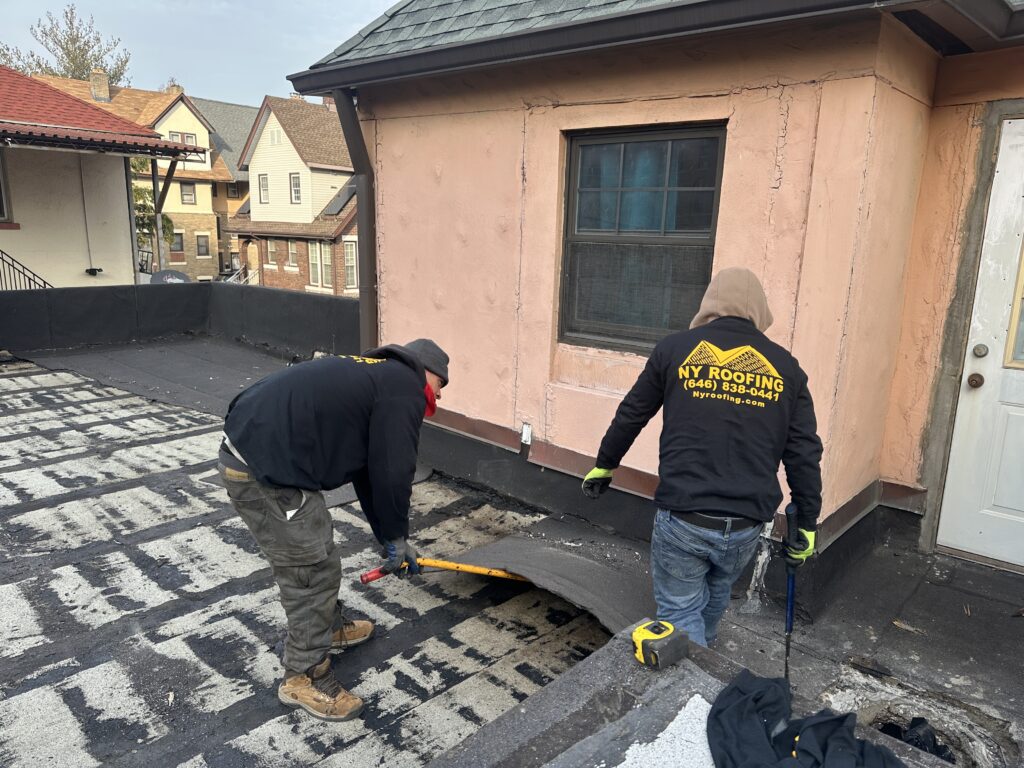
Quick Answer : Roofing safety in NYC starts with OSHA-compliant planning, including fall protection, ladder safety, worker training, and hazard prevention to reduce accidents and legal risks. Following proper safety practices helps protect workers, property owners, pedestrians, and keeps roofing projects compliant and on schedule. Roofing safety OSHA rules matter on every job site, but they become even more important in New York City. Roofing is one of the highest-risk construction trades because workers deal with height, weather exposure, roof edges, ladders, tools, skylights, heavy materials, and changing surface conditions. One missed safety step can lead to a serious injury, property damage, work delays, or enforcement action. Modern roofing safety standards are not only written for contractors. They also protect property owners, tenants, pedestrians, and neighboring buildings. In NYC, a roof project may take place above a sidewalk, near a shared wall, beside mechanical equipment, or on a building with limited access. That makes planning just as important as the roofing work itself. OSHA-compliant safety planning helps contractors control fall hazards, ladder risks, tool hazards, fire exposure, and site communication problems before they cause harm. It also helps property owners understand whether the roofing team is treating the project professionally. This guide focuses on roofing safety rules, fall protection, OSHA expectations, NYC job site risks, and best practices for 2026. It is not an installation guide. Instead, it explains what safer roofing projects should include before workers step onto the roof. Why Roofing Safety Is Critical on Construction Sites in NYC Construction roof safety in NYC requires a serious approach because the work environment is more complicated than many other cities. Roofers may work on attached buildings, narrow streets, multi-story structures, flat commercial roofs, brownstones, apartment buildings, and mixed-use properties with people moving below. A small mistake on a roof can create risk far beyond the crew. A dropped tool can reach a sidewalk. Loose material can move in wind. An unsecured ladder can affect workers and occupants. A missed edge hazard can create life-changing consequences. Roofing safety standards are designed to reduce these risks before the project begins. A safe roofing job starts with planning, access control, equipment checks, fall protection, communication, and clear responsibility on site. High-Rise Buildings and Dense Urban Layouts NYC rooftops often sit close to neighboring buildings, parapet walls, fire escapes, skylights, rooftop units, and shared access points. This creates a work environment where crews have less room to stage materials and fewer simple access options. Multi-story buildings add another layer of danger. Higher elevations increase the seriousness of fall hazards, and roof edges may not always be protected by safe parapet height or guardrail systems. A low parapet may feel like a barrier, but it may not meet fall protection needs. Dense layouts also affect material handling. Rolls of membrane, buckets, tools, ladders, and debris must be moved carefully. Without controlled staging, a busy roof can quickly become a hazard zone. Weather Challenges Unique to New York City Weather can change roof safety conditions fast in NYC. Wind between tall buildings can act like a tunnel, pushing loose materials or affecting worker balance near edges. Even a normal breezy day can feel stronger on an exposed roof. Rain creates slip hazards, especially on membranes, metal surfaces, ladders, and temporary coverings. Snow and ice create even greater risks because roof edges, skylights, and drains may become harder to see. Heat also matters. Summer roof surfaces can become extremely hot, which can affect worker focus, material handling, and hydration. A strong safety plan should account for weather before the crew starts work. Increased Public Safety and Liability Risks Roofing in NYC often happens above people who are not involved in the project. Tenants, neighbors, delivery drivers, customers, and pedestrians may be close to the work area. Because of this, public safety planning is essential. Ground-level areas may need clear warnings, controlled access, debris protection, and communication with building occupants. A roof project should never rely only on workers being careful above. Liability risk also increases when safety is ignored. OSHA violations, DOB complaints, stop-work orders, insurance issues, and injury claims can turn a roofing project into a much larger problem. Understanding OSHA Roofing Regulations for NYC Job Sites OSHA roofing regulations provide a safety framework for construction employers. These rules are especially important on roofing projects because falls remain one of the most serious hazards in construction. Roofing safety OSHA requirements apply to employers and workers involved in covered roofing activities. Residential, commercial, low-slope, and steep-slope projects may have different conditions, but fall hazards must still be addressed. Property owners do not need to memorize every OSHA standard. However, they should know enough to recognize whether a contractor is using professional safety practices. A crew working at height without clear fall protection, ladder control, or safety planning should raise concern. Overview of OSHA Roofing Safety Standards OSHA roofing safety standards are meant to prevent falls, struck-by incidents, ladder accidents, fire hazards, and equipment-related injuries. On roofing jobs, fall protection is usually the most visible requirement, but it is not the only one. OSHA standards may involve guardrails, safety nets, personal fall arrest systems, warning lines, safety monitoring, hole covers, training, ladders, material storage, and hazard communication. The right combination depends on the roof type and job conditions. In construction, OSHA generally requires fall protection when workers are 6 feet or more above a lower level. For roofing work on low-slope roofs with unprotected sides and edges, OSHA lists options such as guardrails, safety nets, personal fall arrest systems, and certain warning-line combinations. OSHA Fall Protection Thresholds and Requirements The 6-foot rule is one of the most important points in roofing safety. When workers are exposed to a fall of 6 feet or more in construction, fall protection usually must be addressed. Fall protection can take different forms. Guardrails create a physical barrier. Safety nets are designed to catch falling workers. Personal fall arrest systems use harnesses, anchors, connectors, and lifelines to stop a fall. Warning

Roofing Safety Guide in NYC: OSHA Rules, Fall Protection & Best Practices (2026) Read More »
NY Roofing- Roofing Shingle

NYC Roofing Codes Explained: Roof Replacement, Permits & Local Laws (2026)

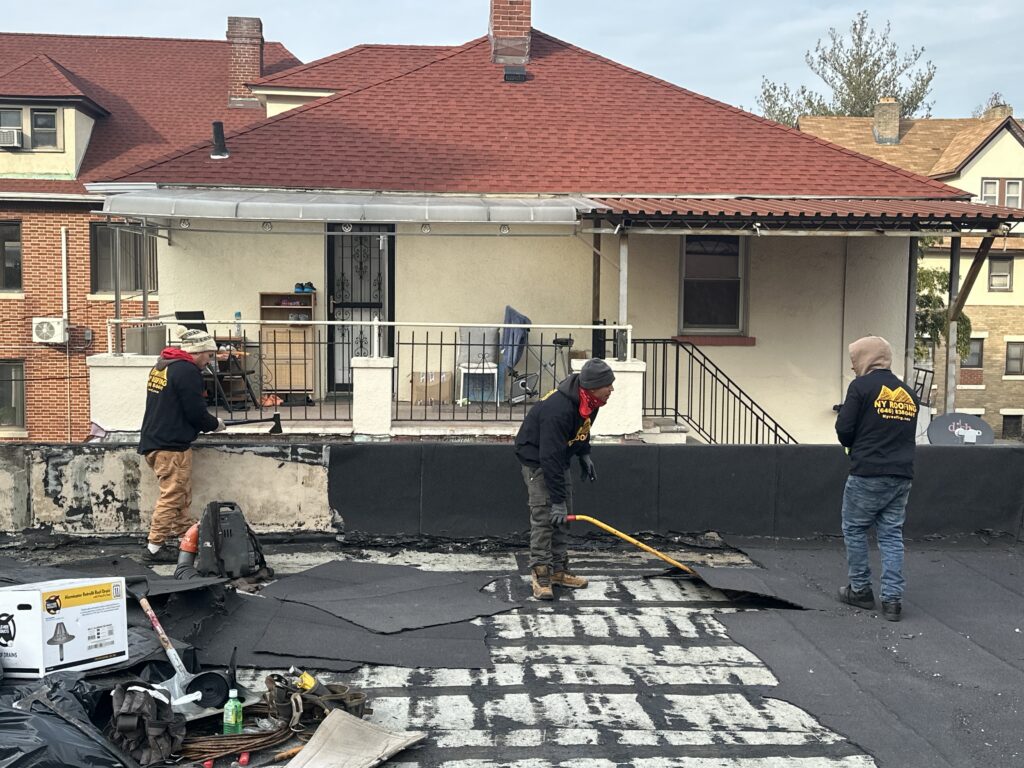
Quick Answer : NYC roofing codes help ensure roof repairs and replacements meet safety, structural, fire, and energy standards. Before starting major roofing work, property owners should understand permit requirements and DOB regulations to avoid violations, delays, and costly compliance issues. NYC roofing codes matter more than many property owners realize because roofing work in New York City affects much more than one building. A roof replacement, major repair, insulation change, drainage adjustment, or structural deck repair can impact building safety, neighboring properties, fire performance, water control, energy compliance, and legal records. New York City has stricter roofing rules because buildings are close together, many structures are older, and roofs often serve several functions at once. A roof may support mechanical units, drains, vents, fire access needs, solar equipment, green roof systems, parapet connections, and shared wall details. Because of this, roofing work is not treated like a simple exterior upgrade. There is also an important difference between minor roof repair and full roof replacement. A small maintenance repair may not need the same level of filing as a major roof project. However, once the work involves full replacement, structural changes, roof deck work, insulation upgrades, slope changes, or code-related alterations, DOB requirements may apply. This guide explains NYC roofing codes, roof replacement permits, DOB roofing regulations, local roofing laws, inspections, common violations, and compliance steps for 2026. It is not an installation guide or legal opinion. It is a practical overview for property owners who want to plan roofing work the right way. Why Roofing Codes in NYC Are Stricter Than Most Cities Local roofing laws NYC property owners must follow are stricter because the city’s buildings are dense, complex, and often connected. A roofing mistake in a detached home elsewhere may affect only one property. In NYC, the same mistake can affect neighboring walls, shared drainage paths, tenants, pedestrians, and nearby structures. Roofing work also has to account for building height, fire exposure, wind movement, aging materials, and access limitations. A small roof on a row house in Brooklyn is different from a commercial roof in Manhattan or a multi-family building in Queens. Each project may have different code concerns. The goal of these rules is not to make the process harder. The purpose is to protect people, buildings, neighboring properties, and long-term structural safety. When roofing work is planned correctly, the project is less likely to face violations, leaks, failed inspections, or problems during a future sale or refinance. Dense Buildings and Shared Roof Structures NYC has many row houses, attached homes, mixed-use properties, apartment buildings, and commercial spaces built close together. Roof edges, parapet walls, fire separation areas, and drainage paths often sit near neighboring buildings. Because of that, poor roofing work can create problems beyond the property where the project is taking place. Water may travel through shared masonry walls. Bad flashing may affect a neighboring parapet. Improper drainage can push water toward another structure. This is why compliance matters. A roof must be planned as part of the building envelope, not as a separate surface. In dense neighborhoods, one weak roof detail can become a wider property issue. Fire Safety and Wind Uplift Concerns Roof systems in NYC must also be considered for fire performance and wind resistance. Roofing materials are not chosen only for appearance or price. They must be suitable for the building type, use, height, exposure, and code requirements. Fire-rated roof assemblies are especially important in a city where structures are close together. A roof that does not meet the proper material or assembly requirement can create risk for the property and nearby buildings. Wind uplift is another major concern. Taller buildings, exposed rooftops, coastal areas, and open roof edges can experience stronger wind pressure. If the system is not properly selected and secured, roof materials can loosen, lift, or fail during severe weather. Aging Infrastructure and Structural Safety Many NYC buildings are old, and some have roof assemblies that have been patched or layered many times. Older roof decks, wood framing, masonry walls, and drainage components may not meet modern expectations without review. DOB oversight is important because roofing work can reveal hidden conditions. A roof that looks simple from the surface may have weakened decking, saturated insulation, poor slope, or outdated structural details below. A careful compliance process helps property owners avoid unsafe shortcuts. It also helps ensure that the finished roof supports the building’s long-term use, not just the immediate need to stop leaks. Overview of NYC Roofing Codes Property Owners Must Follow NYC roofing codes cover more than the roof membrane. They can involve structural load limits, approved materials, fire ratings, drainage design, insulation, energy performance, rooftop equipment, parapet details, and access safety. DOB roofing regulations also affect how work is filed, who prepares documents, which contractors perform the work, and how the project is inspected. This makes planning important before materials are ordered or work begins. Property owners should also understand that roofing rules can vary based on building type. A one-family home, small multi-family property, commercial building, warehouse, mixed-use structure, and landmarked building may not follow the exact same process. NYC Building Code Requirements for Roofing The NYC Building Code includes requirements that can affect roof assemblies, roof coverings, structural support, drainage, fire classification, wind resistance, and rooftop elements. For a property owner, this means the roof must be more than watertight. It must be appropriate for the building. Load limits are one example. A roof may need to support insulation, membrane layers, mechanical equipment, snow, solar panels, green roof components, or maintenance access. If the project adds weight, the structure may need review. Energy code considerations may also apply. Insulation value, reflective surfaces, cool roof rules, and sustainable roofing requirements can affect material choices. These items should be reviewed early because they may change the scope and cost of the project. Department of Buildings Roofing Regulations The Department of Buildings oversees many roofing projects in NYC. When filing is required, the project may

NYC Roofing Codes Explained: Roof Replacement, Permits & Local Laws (2026) Read More »

Roof Replacement-NY Roofing

Top Roofing Materials for NYC Homes: From Asphalt Shingles to Slate

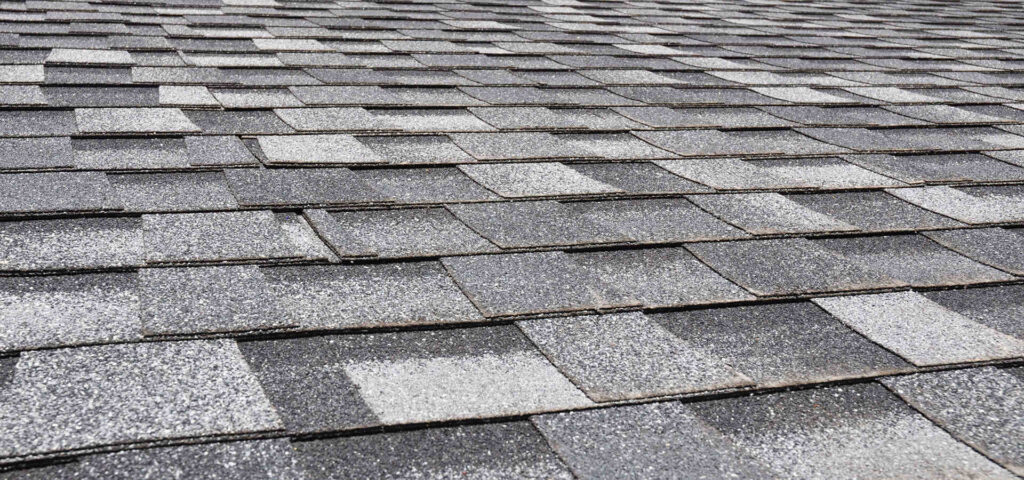
Choosing the right roofing materials for NYC homes is important because New York roofs face tough conditions year-round. Snow, heavy rain, summer heat, coastal winds, freeze-thaw cycles, and dense urban construction can all affect roof performance. NYC homes are also built in many different styles. Some properties have pitched roofs with shingles or slate, while others have flat roofs common on brownstones, row houses, apartment buildings, and commercial-style residential properties. Popular options include asphalt shingles, metal roofing, slate roofing, rubber roof materials, TPO roofing material, and other flat roofing systems. The best choice depends on your home type, roof slope, budget, building structure, and long-term maintenance goals. Why Choosing the Right Roofing Materials Matters in NYC Roofing materials affect durability, comfort, energy performance, maintenance, curb appeal, and long-term roof value. In NYC, choosing the wrong material can lead to early roof problems. A roof that works well in one region may not perform the same way in New York. Local weather, building density, roof access, and property style all matter. NYC Climate and Building Structure Considerations NYC weather can be hard on roof materials. Snow and ice can stress shingles, rain can expose flashing problems, heat can age surfaces, and wind can loosen poorly installed materials. Building structure also matters. A single-family home with a pitched roof may work well with asphalt shingles, metal, or slate. A brownstone or multi-family building often needs flat roofing materials such as EPDM, TPO, PVC, modified bitumen, or built-up roofing. The right material should match the roof slope and building design. Local Codes and Long-Term Cost Factors Roofing materials cost is not just about the purchase price. Homeowners should also consider installation, maintenance, repair needs, energy performance, and lifespan. Some roofing materials may require special installation methods, permits, or structural review. Heavy materials like slate may need stronger roof framing. A lower-cost material may be practical for some homes, while premium materials may offer better long-term value. The best choice balances budget, durability, and climate performance. Complete Roofing Materials List for NYC Homes A complete roofing materials list helps homeowners compare common and modern roofing options before starting a roof repair or replacement project. NYC homes may use traditional shingles, premium slate, metal panels, synthetic products, and flat roof membranes. Each material has a different purpose. Common and Modern Roofing Materials Overview Common roofing materials include asphalt shingles, architectural shingles, metal roofing, slate, synthetic slate, clay tile, concrete tile, EPDM, TPO, PVC, modified bitumen, and built-up roofing. Modern roofing materials focus on durability, energy efficiency, lower maintenance, and better weather resistance. Reflective membranes, synthetic shingles, reinforced underlayments, and advanced flat roof systems are now common choices. Different types of roofing materials are used for different roof slopes. Shingles, slate, and metal often work best on pitched roofs. EPDM, TPO, PVC, and modified bitumen are usually better for flat or low-slope roofs. Asphalt Shingles Roofing Materials Explained Asphalt shingles are among the most common roofing materials for residential homes. They are popular because they are affordable, available, and easy to install. In NYC, asphalt shingles are often used on pitched roofs, townhouses, detached homes, and smaller residential properties. They offer many color and style options. Types of Roofing Materials Shingles There are several types of roofing materials shingles used on homes. The most basic option is 3-tab shingles. They are lightweight, affordable, and simple in appearance. Architectural shingles are thicker and more dimensional. They usually provide better curb appeal and stronger performance than basic 3-tab shingles. Some homeowners also consider metal shingle roofing material. Metal shingles are designed to look like traditional shingles while offering the strength and durability of metal. Popular shingle options include: 3-tab asphalt shingles for budget-friendly roofing Architectural shingles for stronger appearance and durability Designer shingles for premium curb appeal Impact-resistant shingles for storm-prone areas Metal shingle roofing material for longer-term performance Synthetic shingles for slate or wood-style appearance Shingles work best when the roof has proper slope, ventilation, and flashing. Pros, Cons, and Roofing Materials Cost Asphalt shingles are affordable and widely available. Many homeowners can also find basic roofing materials Home Depot options for small repairs or material comparison. The main benefits are lower upfront cost, broad availability, easy repair, and familiar appearance. Asphalt shingles are also offered in many colors and designs. The drawbacks include shorter lifespan compared with slate or metal, possible granule loss, wind damage risk, and heat-related aging. In NYC, snow, ice, and freeze-thaw cycles can also affect shingle performance. Roofing materials cost depends on shingle type, roof size, slope, labor, tear-off, and roof complexity. A professional estimate is best for accurate pricing. Metal Roofing Materials for Urban NYC Homes Metal roofing materials are becoming more popular for urban homes because they offer durability, weather resistance, energy efficiency, and modern design. Metal roofs can work well on pitched residential roofs, modern townhouses, and certain architectural projects. They are also valued for long-term performance. Popular Metal Roofing Material Types Standing seam metal roofing is one of the most popular metal roofing material types. It uses vertical panels with raised seams that help shed water effectively. Metal shingles are another option. They give the appearance of shingles while offering many benefits of metal. This can be useful for homeowners who want durability without a full standing seam look. Other metal roofing materials include aluminum, steel, zinc, and copper. Each material has different strengths, appearance, and cost considerations. Metal roofing should be installed carefully because expansion, contraction, flashing, and fasteners all affect performance. Metal Roofing Material Manufacturers and Benefits Metal roofing material manufacturers offer products designed for energy efficiency, durability, and long service life. Many metal roofs can reflect heat better than dark asphalt surfaces. Metal roofing may also support sustainability goals because some products contain recycled content and may be recyclable at the end of service life. The main benefits include long-term durability, strong weather resistance, fire resistance, and modern appearance. Metal roofing can also handle rain and snow well when installed on the right slope.

Top Roofing Materials for NYC Homes: From Asphalt Shingles to Slate Read More »

Shingle Roofing - NY Roofing

Shingle Roofing vs Flat Roofing: Which Is Best for NYC Homes?

Choosing between shingle roofing vs flat roofing is one of the most important decisions for NYC homeowners. New York roofs deal with heavy rain, snow, high winds, summer heat, freeze-thaw cycles, and dense urban building conditions. Because of this, the right roof is not always the one that looks better or costs less upfront. Many homeowners compare flat roof vs shingles when planning roof repair, replacement, or a new roofing system. A shingles roof is usually found on sloped residential homes, while a flat roof is common on brownstones, row houses, apartment buildings, and multi-family properties. What Is Shingle Roofing? Shingle roofing uses overlapping roof shingles installed on a sloped roof. This system is designed to shed rain, snow, and debris away from the home. Shingles are placed in rows from the lower edge of the roof upward. Each row overlaps the one below it, creating a layered surface that helps move water down the roof. This is why shingles work best on roofs with proper slope. Roof shingles can be made from asphalt, composite materials, metal, slate-style materials, or other products. Asphalt shingles are the most common because they are affordable, widely available, and easier to repair. Shingle Roofing: Traditional, Affordable & Versatile Shingle roofing is a classic choice for NYC homes with sloped roofs. It gives homes a familiar residential appearance and works well with many architectural styles. One major reason homeowners choose shingles is affordability. Asphalt shingle roofing usually has a lower upfront cost than many premium roofing systems. It is also easier to repair when only a small area is damaged. For many NYC homeowners, shingles offer a balance of cost, appearance, and repair flexibility. Types of Roofing Shingles Used in NYC NYC homeowners can choose from several roofing shingle types. The right option depends on budget, roof slope, home style, weather exposure, and long-term maintenance needs. Common roofing shingles include: Asphalt shingles: Affordable, widely used, and easy to repair for most sloped homes. Architectural shingles: Thicker shingles with better durability and stronger curb appeal. Composite shingles: Designed to imitate slate, wood, or premium roofing materials. Metal shingles: A stronger option for homeowners who want longer-term performance. Slate-style shingles: Useful for premium or historic-style homes where appearance matters. Impact-resistant shingles: Helpful for homes exposed to wind, storms, and falling debris. For most NYC homes, asphalt and architectural shingles are the most practical options. They balance price, appearance, and repair convenience. Composite, slate-style, or metal shingles may be better for homeowners who want a more premium look. Pros and Cons of Shingle Roofing Shingle roofing is popular because it is affordable, familiar, and visually appealing. It is especially useful for residential homes with proper roof slope and good ventilation. The main advantages include lower upfront cost, easier shingle roof repair, strong curb appeal, and broad style choices. If only a few shingles are damaged, a roofer may be able to repair that section without replacing the entire roof. The disadvantages are mostly weather-related. Shingles can be affected by wind, ice dams, heavy rain, UV exposure, and falling debris. Over time, shingles may curl, crack, loosen, or lose protective granules. In NYC, shingle roofing performs best when gutters are clean, flashing is secure, and attic ventilation is working properly. Without maintenance, small shingle problems can turn into leaks and interior damage. Shingle Roofing Lifespan in NYC Conditions Shingle roofing lifespan depends on shingle quality, installation, ventilation, roof slope, and maintenance. NYC weather can shorten roof life when small problems are ignored. Summer heat also affects shingles. UV exposure can dry out asphalt materials, weaken the surface, and cause granule loss. Once granules wear away, shingles become more vulnerable to cracking and aging. A shingle vs flat roof lifespan comparison should focus on roof fit. Shingles can last well on pitched roofs, but they are not designed for low-slope surfaces. Regular inspections help protect shingle roofing in NYC conditions. Understanding Flat Roofing Flat roofing is a low-slope roofing system used on many NYC brownstones, apartment buildings, row homes, commercial properties, and multi-family buildings. Unlike shingle roofing, flat roofing does not rely on steep slope to move water quickly. It uses waterproof membranes, drainage systems, seams, flashing, and slight slope to control water. However, flat roofs require strong installation and regular maintenance. Drainage problems, open seams, or damaged membranes can lead to leaks if ignored. What Is Flat Roofing? Flat roofing is a roof system with very low slope. It is not completely flat, but the slope is minimal compared to a pitched shingle roof. A flat roof system usually includes a roof deck, insulation, waterproof membrane, flashing, seams, drains, scuppers, gutters, and edge details. Each part must work together to keep water out. Flat roofing is common in NYC because many buildings have rectangular layouts, shared walls, and limited space. Brownstones, row houses, mixed-use buildings, and apartment properties often use flat roofs because they match the structure. Flat Roofing: Perfect for Brownstones & Multi-Family Buildings Flat roofing works well for brownstones and multi-family buildings because it fits NYC’s dense urban design. Many city properties have attached walls, narrow lots, and roof layouts that are not suited for steep roofing. A flat roof can also make better use of space. It may support HVAC units, vents, roof access, solar panels, skylights, or other building systems when properly designed. Flat roofing may not offer the same street-level curb appeal as shingles, but it provides strong practical value for many NYC properties. What Materials Should a Flat Roofer Use? The best flat roof materials depend on roof condition, building type, drainage, budget, and long-term performance needs. NYC flat roofs need materials that handle rain, snow, heat, ponding water, and rooftop access. Common flat roof materials include: EPDM roofing: Flexible rubber membrane for many low-slope roofs. TPO roofing: Reflective membrane often used for energy efficiency. PVC roofing: Strong option for moisture, grease, and chemical resistance. Modified bitumen: Durable asphalt-based system common on NYC flat roofs. Built-up roofing: Multi-layer waterproofing system for flat

Shingle Roofing vs Flat Roofing: Which Is Best for NYC Homes? Read More »

gutter-replacement - NY Roofing

Best Roofing Materials for NYC Homes & Buildings: A Complete Comparison Guide (2026)

Choosing the right roofing materials in NYC is one of the most important decisions for homeowners, landlords, and commercial property owners. New York buildings face heavy rain, snow, strong winds, summer heat, freeze-thaw cycles, rooftop equipment, and urban pollution. A roofing system that works well in a mild climate may not perform the same way on a Brooklyn brownstone, Queens home, Manhattan commercial building, or large warehouse roof. Roof materials also need to match the building type. Residential homes often use asphalt shingles, metal roofing, slate, or tile, while apartment buildings, retail properties, and commercial structures usually need flat roof materials like EPDM, TPO, PVC, modified bitumen, or built-up roofing. This 2026 guide explains what roofing material means, which factors matter in NYC, the most common types of roofing materials, how flat and sloped roofs compare, and how to choose the best roofing materials for long-term value. What Is Roofing Material? Roofing material is the outer protective layer of a roof system. It shields the building from weather, moisture, heat, wind, and long-term structural damage. Definition of Roofing Materials Roofing materials are the products used to cover and protect the roof structure. They form the weather-resistant surface that prevents rain, snow, ice, heat, and debris from entering the building. There is a difference between the roof structure and the roof covering. The structure includes the deck, framing, insulation, and support system. The roof covering is the visible or waterproof layer, such as asphalt shingles, metal panels, slate, tile, EPDM, TPO, PVC, or modified bitumen. Roof materials must be chosen carefully because they affect roof lifespan, maintenance needs, energy efficiency, weather protection, and overall property value. Why Roofing Material Selection Matters in NYC Roofing material selection matters in NYC because the city’s weather is tough on buildings. A roof must handle heavy rain, summer heat, snow, ice, wind, and pollution without failing early. Durability is important because roof repairs and replacements can be expensive. Energy efficiency also matters, especially for flat roofs and top-floor spaces that absorb heat during summer. Maintenance and lifespan should also guide the decision. A cheaper material may cost less upfront, but it may need more frequent repairs. Local building codes, property type, roof slope, and contractor recommendations should also be considered before selecting any roof material. Key Factors to Consider When Choosing Roofing Materials in NYC The best roofing materials for NYC depend on climate, building use, roof design, budget, maintenance needs, energy goals, and long-term performance expectations. NYC Climate Performance Different types of roofing materials respond differently to NYC weather. Asphalt shingles can work well on sloped homes but may age faster under UV exposure, wind, and freeze-thaw cycles. Metal roofing can handle snow and rain well but needs proper corrosion protection in coastal areas. Flat roof materials must resist ponding water, heat, and membrane movement. TPO, EPDM, PVC, and modified bitumen are common because they are designed for low-slope roofing systems. In NYC, climate performance should always come before appearance alone. A roof that looks good but cannot handle local conditions may fail early. Building Type: Home vs Commercial Property Single-family homes often need materials that balance appearance, cost, lifespan, and weather protection. Asphalt shingles, shingle roofing material, slate, and tile may be considered depending on the home style and budget. Apartment buildings and mixed-use properties often need durable flat roof systems because many NYC buildings have low-slope roofs. Warehouses, retail buildings, and commercial properties may need TPO roofing material, EPDM roofing material, PVC, or modified bitumen. The right material depends on how the building is used, how much roof traffic is expected, and whether rooftop equipment is present. Roof Design: Flat Roof vs Sloped Roof Flat roofs and sloped roofs need different materials. Sloped roofs shed water faster, so shingles, metal, slate, and tile can perform well. Flat roofs need stronger waterproofing because water moves more slowly. The best flat roof materials are usually membranes or layered systems designed for low-slope surfaces. Roofing materials flat systems may include EPDM, TPO, PVC, modified bitumen, or built-up roofing. Using the wrong material for the roof design can cause leaks, ponding water, and early failure. Budget, Longevity & Maintenance Budget matters, but the cheapest material is not always the best choice. A low-cost option may require more repairs, shorter replacement cycles, or higher maintenance. Long-term investment is important. A higher-quality roofing material may cost more upfront but provide better durability, energy savings, and fewer emergency repairs. Maintenance should also be considered. Some roof materials need regular coating, seam checks, or flashing maintenance, while others require less frequent attention. Complete Roofing Materials List for NYC Homes & Buildings This roofing materials list covers the most common options used on NYC homes, apartment buildings, commercial roofs, warehouses, retail properties, and historic buildings. Asphalt Shingle Roofing Materials Asphalt shingles are one of the most common roof materials for residential homes in NYC. They are popular because they are affordable, widely available, and suitable for many sloped roof designs. Asphalt shingles come in different grades, including standard 3-tab shingles and architectural shingles. Architectural shingles are thicker and usually provide better durability and appearance. They are often preferred for homes where curb appeal matters. The main benefits of asphalt shingles include easy installation, broad style options, and reasonable repair costs. They are also familiar to many roofing contractors, which makes repairs and roof replacements easier. The drawbacks include limited performance on low-slope roofs, vulnerability to granule loss, and possible damage from wind, ice dams, and extreme heat. Asphalt shingles are best for sloped homes, row houses, and residential properties where the roof pitch supports proper water shedding. Metal Roofing Materials Metal roofing materials are known for strength, durability, and modern appearance. They can be used on residential homes, commercial buildings, and certain architectural projects. Roofing materials metal systems may include standing seam panels, metal shingles, aluminum, steel, copper, or coated metal products. The best option depends on building style, budget, and exposure to moisture or salt air. Metal roofing performs

Best Roofing Materials for NYC Homes & Buildings: A Complete Comparison Guide (2026) Read More »

Shingle Roofing Background image 05- NY Roofing

DIY Roof Repair in NYC: Step-by-Step Guide, Flat Roof Kits & When to Call a Pro

DIY roof repair is becoming more popular in NYC as homeowners look for ways to control rising roof maintenance costs. Small leaks, minor cracks, loose flashing, and simple patching may seem manageable with basic tools and online guidance. For some small issues, a careful temporary fix can help reduce immediate water intrusion until a professional inspection is scheduled. But NYC roofs are not always simple. Buildings face heavy rain, snow, freeze-thaw cycles, summer heat, strong winds, and limited roof access. Flat roofs are common across Brooklyn, Queens, Manhattan, the Bronx, and Staten Island, and they require proper drainage, waterproofing, and safe repair methods. This guide explains what DIY roof repair can and cannot handle, how to approach minor repairs safely, what DIY flat roof repair kits include, what cheap DIY roof repair NYC solutions may actually cost, and when calling a professional roofer is the smarter long-term decision. What Is DIY Roof Repair? DIY roof repair means handling small roofing issues yourself using basic tools, repair materials, and guidance. It is best limited to minor, safe, and temporary roof problems. DIY roofing repair can include small leak patching, sealing tiny cracks, securing loose flashing, replacing a few damaged shingles, or applying temporary protection before professional service. The goal is usually to reduce immediate damage, not rebuild the roof system. A leaking roof repair DIY approach may help when the issue is small and easy to access. For example, a homeowner may seal a minor gap, clear debris from a roof edge, or apply a temporary patch on a low-risk roof surface. DIY roof leak repair tips from guides or videos can help homeowners understand the basics, but they should not replace professional judgment. Some roof types are more DIY-friendly than others. A low shed roof or small porch roof may be easier to inspect than a tall NYC home or apartment roof. Flat roof repairs can look simple, but hidden moisture, weak seams, and ponding water can make them more complicated. Free DIY roof repair NYC resources can be helpful for learning terms, identifying warning signs, and understanding materials. However, they should be used carefully. If the roof is high, wet, icy, steep, unstable, or actively leaking into electrical areas, DIY work is not safe. DIY roof repair may be reasonable for: Small cracks, tiny gaps, or minor surface damage that is easy to access safely Temporary leak control until a professional roofer can inspect the roof Loose flashing edges that do not involve major water damage or structural issues A few damaged shingles on a low, stable, and safely accessible roof Minor shed roof repairs where the roof is low and simple Basic debris removal from safe roof edges, gutters, or accessible drainage areas Safety First: What to Know Before Starting Roof Repair DIY Roof repair DIY projects can be dangerous without the right safety planning. NYC buildings often involve height, narrow access, wet surfaces, nearby structures, and legal restrictions. Essential Safety Gear for DIY Roof Repair Safety gear is the first requirement for any DIY roof repair attempt. Homeowners should use non-slip shoes, heavy-duty gloves, eye protection, and stable ladders. For higher roofs, fall protection may be necessary, but most homeowners are not trained to use it properly. Wet, icy, or moss-covered roofs should be avoided. Even flat roofs can be dangerous because water, debris, loose membranes, or soft spots can cause slips. A roof edge may also be closer than it appears when someone is focused on a leak. NYC building safety considerations are especially important. Many homes are attached, multi-level, or surrounded by limited space. If roof access requires climbing through a hatch, crossing a narrow edge, or stepping near skylights, a professional should handle the work. NYC Building Rules & Permissions NYC building rules and permissions can depend on property type, ownership structure, repair scope, and whether structural work is involved. A small temporary patch may be different from membrane replacement, deck repair, or major roof work. Apartment buildings, condos, co-ops, and rental properties may have restrictions on who can access the roof or perform repairs. Homeowners should check building rules, management policies, and insurance requirements before attempting DIY roofing repair. For anyone searching for the best DIY roof repair NYC option, safety and permissions should come before materials. If the work affects waterproofing, structure, shared property, warranties, or building compliance, hiring a professional is usually the better path. Step-by-Step DIY Roof Repair Guide A DIY roof repair should be limited to small, safe problems. The steps below are for basic temporary repairs, not major leaks, structural damage, or full roof restoration. Step 1: Identify the Roof Problem Start by locating the problem from inside and outside the building. Inside, look for ceiling stains, peeling paint, damp insulation, mold odors, or active dripping. The visible stain may not be directly below the roof opening because water can travel along decking, insulation, or framing. Outside, check for missing shingles, cracked sealant, loose flashing, punctures, open seams, clogged drains, or ponding water. Flat roof issues often appear near drains, scuppers, parapet walls, roof edges, skylights, vents, and HVAC curbs. For DIY roof leak repair, avoid guessing. Mark the suspected area, take photos, and compare interior damage with roof details above it. If the leak source is unclear or water appears in multiple places, call a professional. Step 2: Clean and Prepare the Area Before any repair material is applied, the area must be clean and dry. Remove loose debris, dirt, leaves, broken pieces, and old failed sealant if it can be done safely. Do not scrape aggressively if the roof surface is fragile. Drying the surface is critical. Most sealants and patches will not bond properly to wet, dirty, or unstable materials. If rain is expected soon, a temporary cover may be safer than applying a permanent patch in poor conditions. For flat roofs, also check whether standing water is present. If water continues to collect around the repair area, the patch may fail because the

DIY Roof Repair in NYC: Step-by-Step Guide, Flat Roof Kits & When to Call a Pro Read More »

Background image -NY Roofing

The Hidden Costs of Delaying Roof Repairs in NYC: What It Really Costs You

Roof repair cost is one of the biggest concerns for NYC homeowners, landlords, and commercial property owners. When a leak, missing shingle, cracked membrane, or flashing issue appears, many people delay repairs because they worry about the immediate expense. But in New York City, waiting often makes the final cost much higher. NYC roofs face heavy rain, snow, freeze-thaw cycles, summer heat, wind, pollution, and aging building conditions. A small leak can spread into insulation, ceilings, walls, electrical systems, and structural materials. That is why asking “how much does roof repair cost?” is important, but asking “what happens if I wait?” is even more important. This guide explains why roof repairs are delayed, what affects roof repair costs in NYC, how minor problems become major damage, and when repair turns into roof replacement. What Is Roof Repair? Roof repair is the process of fixing storm damaged roofing components before they cause larger problems. It may include leak repair, shingle replacement, flashing work, membrane patching, or sealing cracks. Roof repair is different from roof replacement. Repair focuses on correcting specific damaged areas, while replacement involves removing and installing a larger roof system. The roof repair vs roof replacement cost difference can be significant, especially when repairs are handled early. Common roof repair work includes fixing leaks, replacing damaged shingles, sealing cracks, repairing flashing, reinforcing seams, and patching flat roof membranes. The cost to repair roof damage depends on the type of issue, roof material, access, and how long the problem has been active. Roof leak repair cost is usually lower when the leak is small and caught early. Once water reaches insulation, decking, ceilings, or walls, the repair becomes more complex. This is why early roof repair is often the most cost-effective choice. Common Types of Roof Repairs in NYC NYC properties need many different types of roof repair. Residential roof repairs often include missing shingles, flashing leaks, gutter-related issues, and attic moisture concerns. Shingle roof repair cost depends on how many shingles are damaged and whether the underlayment or decking has been affected. Commercial roof repairs are often more complex because commercial buildings usually have larger flat roofs, rooftop equipment, drainage systems, and tenant-related concerns. Commercial roof repair cost can rise when leaks affect business operations, inventory, or multiple units. Flat roof repairs for apartments and mixed-use buildings commonly involve membrane punctures, ponding water, seams, flashing, drains, and parapet details. Flat roof repair cost depends heavily on membrane type, access, drainage, and moisture damage. Why Roof Repairs Are Often Delayed by NYC Property Owners Many NYC property owners delay roof repairs because the damage looks minor or the cost feels inconvenient. Unfortunately, small roof repair cost often grows when water spreads. Cost concerns are the most common reason repairs are postponed. A homeowner may search for roof repair near me, get nervous about possible pricing, and wait until the leak becomes worse. Commercial property owners may delay repairs to avoid disrupting tenants or business operations. Another reason is misjudging the problem. A small ceiling stain may look harmless, but it can be the final visible sign of a leak that has already moved through the roof system. The actual cost to repair roof damage depends on what is happening behind the surface. Many people also underestimate small roof repair cost. A small repair today may involve sealant, flashing adjustment, or replacing a few shingles. If delayed, the same issue can lead to wet insulation, mold cleanup, drywall repair, and major roof repair cost. “It’s Just a Small Leak”: A Costly NYC Assumption A small leak can become expensive quickly in NYC because buildings are exposed to repeated rain, snow, and freeze-thaw cycles. Water may enter through one weak point and travel across decking or insulation before showing up indoors. Small roof leak repair cost is usually easier to manage when the problem is caught early. But once water spreads, roof leak repair cost near me searches often turn into emergency repair, interior restoration, and possible replacement planning. Average Roof Repair Costs in NYC: 2026 Pricing Overview Roof repair costs in NYC vary by roof type, damage severity, access, material, labor, and urgency. A professional inspection gives the most accurate estimate. When people ask how much does roof repair cost in NYC, the answer depends on the scope of work. A simple shingle replacement or small flashing repair may be straightforward. A leaking flat roof with saturated insulation or damaged decking can be much more involved. Labor is a major factor in NYC. Building height, roof access, sidewalk protection, safety setup, and tight urban conditions can all affect pricing. Material selection also matters because asphalt shingles, slate roof, metal, TPO, EPDM, PVC, modified bitumen, and built-up roofing require different repair methods. Permit and compliance needs may also affect certain projects. Not every repair requires the same process, but larger repairs, structural work, or roof replacement may involve additional planning. Because of this, roof repair costs should always be based on the actual roof condition. Roof repair cost in NYC can be affected by: Roof type, material, slope, height, and access difficulty Damage severity, leak location, and whether moisture has spread Labor needs, safety setup, disposal, and emergency response timing Flashing, drainage, membrane, shingle, or structural repair requirements Interior damage, insulation saturation, mold concerns, or ceiling repairs Whether the work is a small repair, major repair, or replacement-level project Roof Repair Cost Per Square Foot in NYC Roof repair cost per square foot can be useful for large surface repairs, but not every repair is priced that way. Many roof repairs are priced by scope, labor, material, leak location, roof access, and repair complexity. NYC prices often differ from national averages because of higher labor costs, building height, access challenges, parking limits, disposal requirements, and dense neighborhood conditions. A small roof repair on a hard-to-access roof may cost more than expected because the setup is complex. Roof Repair Cost Estimator: What Contractors Look At A roof repair cost estimator considers roof size,

The Hidden Costs of Delaying Roof Repairs in NYC: What It Really Costs You Read More »

Commercial Flat Roofing in NYC: PVC, TPO & Best Solutions for Retail & Apartment Buildings

Commercial flat roofing NYC projects require careful planning because New York buildings face weather stress, strict building expectations, space limitations, rooftop equipment, and constant exposure to rain, snow, wind, UV rays, and freeze-thaw cycles. For retail buildings, apartment properties, mixed-use buildings, warehouses, and offices, the roof is more than a cover. It protects tenants, customers, inventory, equipment, and the long-term value of the property. Choosing the right commercial flat roof materials is important because not every system performs the same way. PVC, TPO, EPDM, modified bitumen, and built-up roofing all have different strengths. The right choice depends on building use, drainage, foot traffic, energy goals, budget, and maintenance needs. This guide explains why commercial buildings use flat roofs, how commercial flat roof construction works, the most common flat roof material options, repair vs roof replacement decisions, contractor selection, insurance considerations, cost factors, and long-term maintenance tips. Why Do Commercial Buildings Have Flat Roofs? Commercial buildings often have flat roofs because they are practical, cost-efficient, and space-saving. They support large roof areas, rooftop equipment, inspections, repairs, and modern commercial building needs. Structural & Design Reasons Commercial buildings often need wide open interior spaces. Retail stores, warehouses, offices, and apartment buildings may require large roof spans without the complex framing used in steep residential roofing. Flat roof systems make this easier because they work well with large rectangular building layouts. A commercial building roof structure is usually designed to distribute weight across the deck, beams, joists, and supporting walls. This allows the roof to support insulation, waterproofing membranes, rooftop units, solar panels, and maintenance access when properly engineered. Flat roofs also fit urban design. In NYC, where space is limited, a flat roof can support mechanical systems, roof hatches, walkways, drainage systems, and future upgrades without changing the building’s exterior shape. Cost, Accessibility & Maintenance Advantages Flat roofs are often more cost-efficient than pitched roofs for commercial buildings because they use simpler geometry and cover large areas efficiently. They also provide easier access for inspections and commercial flat roof repair. Accessibility matters in NYC. Roofers, maintenance teams, HVAC technicians, and building staff may need to reach rooftop equipment regularly. A flat roof makes this easier than a steep roof. Flat roofs also allow better use of rooftop space. HVAC units, solar panels, drainage systems, vents, skylights, and green roof features can all be integrated into the roof design when the system is built correctly. Understanding Commercial Flat Roof Construction Commercial flat roof construction includes several layers that work together to protect the building. Each layer supports waterproofing, insulation, drainage, energy efficiency, and long-term durability. Layers in Commercial Flat Roof Construction A commercial flat roof begins with the roof deck. The deck may be concrete, steel, wood, or another structural material depending on the building. This deck supports the rest of the roofing system. Above the deck, insulation is often installed to improve energy efficiency and indoor comfort. The insulation layer may include polyiso, EPS, XPS, mineral wool, or tapered insulation depending on performance needs. Vapor barriers may be included where moisture control is necessary. These help reduce the movement of vapor into the roof assembly. Above these layers, the waterproof membrane protects the building from rain, snow, and ponding water. Flashing, drains, scuppers, and edge details complete the system. Flat Roof Drainage & Slope Design Flat roofs are not fully flat. They need slope to move water toward drains, scuppers, or gutters. Without proper slope, water can sit on the surface and cause ponding, membrane stress, leaks, and structural concerns. Internal drains are common in commercial flat roofing NYC projects because many buildings have parapet walls and large roof areas. Scuppers may also be used as primary or overflow drainage outlets. Drainage design must consider roof size, rainfall intensity, outlet placement, and building layout. In NYC, proper drainage is especially important because heavy rain and snowmelt can quickly expose weak roof details. Types of Commercial Flat Roofs Used in NYC NYC commercial buildings use several flat roof systems. The best option depends on building use, roof condition, budget, drainage, energy goals, and long-term maintenance expectations. Built-Up Roofing Built-up roofing, often called BUR, is one of the older types of commercial flat roofs. It is made from multiple layers of bitumen and reinforcing materials. These layers create a durable waterproof surface. BUR systems have been used for decades because they offer strong protection when installed correctly. They can perform well on commercial properties where durability and layered waterproofing are important. The downside is weight, installation time, odor during certain applications, and maintenance needs. On older NYC buildings, BUR may still be present, but many owners now compare it with modified bitumen or single-ply systems during replacement. Modified Bitumen Roofing Modified bitumen roofing is a multi-layer system often used on flat and low-slope roofs. It is made with asphalt-based materials modified with polymers for flexibility and durability. Torch-down modified bitumen is one installation method, but self-adhered and cold-applied options are also used depending on safety, building conditions, and project requirements. In dense NYC areas, installation method matters because fire safety and access can affect the project. Modified bitumen works well for many apartment buildings, smaller commercial roofs, and properties that need a tough membrane. It can handle foot traffic better than some systems when properly protected. Single-Ply Roofing Systems Single-ply roofing systems include PVC, TPO, and EPDM. These systems use flexible membrane sheets installed over insulation or cover boards. Single-ply systems are popular because they are lightweight, efficient, and suitable for many commercial flat roof installation projects. Seams may be heat-welded or adhered depending on the material. PVC and TPO are especially common for reflective roofing needs, while EPDM is valued for flexibility and long-term weather performance. The right choice depends on building use and environmental exposure. PVC vs TPO vs EPDM: Most Common Flat Roof Materials PVC, TPO, and EPDM are among the most common flat roof material options for commercial buildings. Each offers different benefits for waterproofing, energy efficiency, durability, and

Commercial Flat Roofing in NYC: PVC, TPO & Best Solutions for Retail & Apartment Buildings Read More »

Background image 07- NY Roofing

Best Flat Roof Sealants & Reflective Coatings for NYC (2026 Guide)

Choosing the right flat roof sealant is one of the most important decisions for property owners dealing with leaks, cracks, seam gaps, and aging flat roof surfaces in New York City. NYC flat roofs face heavy rain, snow, ponding water, UV exposure, heat expansion, and sudden temperature swings throughout the year. A quality roof repair sealant can help stop localized leaks and protect weak areas before they spread. A reflective roof coating can provide broader surface protection, improve energy efficiency, and extend roof life when the existing roof is still in suitable condition. This 2026 guide explains the difference between sealants and coatings, the best flat roof sealant products by category, common NYC flat roof problems, coating options, cost factors, lifespan expectations, and when professional application is the smarter choice. What Is a Flat Roof Sealant & How Does It Work? A flat roof sealant is used to close small gaps, cracks, seams, and leak-prone areas. It helps waterproof targeted roof details before water causes deeper damage. Flat Roof Sealant Explained A flat roof sealant is a flexible waterproofing material used to repair small problem areas on flat and low-slope roofing systems. It is commonly applied around seams, flashing, penetrations, cracks, small punctures, roof edges, and minor roof leak repair points. The main purpose of sealant is to stop water from entering vulnerable areas. A good sealant bonds to the roofing surface and creates a flexible barrier that can move with the roof during expansion and contraction. Flat roof sealant products are often used for maintenance and repair, not full roof restoration. They work best when the roof surface is clean, dry, structurally sound, and the damage is limited. Difference Between Flat Roof Sealant & Roof Coatings Flat roof sealants and roof coatings are not the same. Sealants are used for localized repairs. They are applied to specific areas such as cracks, seams, flashing gaps, small punctures, and leak-prone details. Roof coatings are applied across a larger roof surface. A coating forms a protective layer over the roof to improve waterproofing, reflect sunlight, reduce UV damage, and extend roof performance. A flat roof repair sealant is best when the issue is small and targeted. A coating is better when the roof surface is aging, weathered, or needs full surface protection. If the roof has saturated insulation, structural damage, or widespread membrane failure, neither sealant nor coating may be enough. Common Flat Roof Problems in NYC That Require Sealants or Coatings NYC flat roofs face water, heat, snow, and urban wear. Sealants and coatings can help when damage is minor, but serious roof problems need professional inspection. Water Ponding & Standing Water Ponding water is one of the most common issues on NYC flat roofs. It happens when rainwater or snowmelt remains on the roof surface instead of draining properly. Standing water can weaken seams, stress membranes, and expose small cracks. Some sealants can help with minor leak points around ponding areas, but the real drainage issue must also be corrected. Silicone roof coatings are often preferred for roofs that experience occasional ponding because silicone handles standing water better than many other coating types. UV Damage & Heat Expansion NYC flat roofs are exposed to direct sunlight, summer heat, and urban heat island conditions. Over time, UV exposure can dry out membranes, weaken coatings, and cause roofing materials to lose flexibility. Heat also causes expansion and contraction. When a roof moves repeatedly, small cracks may appear around seams, flashing, or penetrations. A flexible sealant can help protect these weak areas. Reflective coatings help reduce heat absorption by reflecting sunlight. This can reduce surface temperature and slow weather-related aging. Small Leaks, Cracks & Membrane Separation Small leaks often begin around seams, flashing, drains, skylights, vents, and rooftop equipment. These areas move more than the rest of the roof and are more likely to fail over time. A flat roof sealant for leaks can be useful when the damage is limited. The best flat roof repair sealant depends on the roof material, leak location, surface condition, and whether the area is exposed to water, movement, or sunlight. Common flat roof problems that may need sealants or coatings include: Small cracks around seams, flashing, vents, skylights, or rooftop penetrations Minor leaks caused by membrane separation or aging sealant UV-related surface drying, fading, brittleness, or coating wear Occasional ponding water around low-slope areas or drainage points Small punctures caused by debris, foot traffic, or rooftop equipment work Weathered roof surfaces that still have a stable underlying membrane Best Flat Roof Sealant Products for Repairs (2026) The best sealant depends on the roof material and problem area. Silicone, acrylic, polyurethane, and rubber-based products each work better in different repair situations. Silicone Flat Roof Sealants Silicone flat roof sealants are known for flexibility, waterproofing, and strong resistance to UV exposure. They are often used on flat roofs because they can perform well in wet conditions and handle roof movement. Silicone sealants are especially useful around seams, small cracks, and details exposed to sun and water. They can remain flexible after curing, which helps them move with the roof surface during temperature changes. For NYC buildings, silicone is often a strong option where rain, snowmelt, and ponding water are concerns. However, the surface must still be cleaned and prepared properly. Poor surface prep can prevent strong bonding. Acrylic Flat Roof Repair Sealants Acrylic flat roof repair sealants are often used for minor repairs and surface touch-ups. They are generally cost-effective and easy to apply when conditions are dry and the roof is not exposed to constant standing water. Acrylic products can work well for small cracks, light surface repairs, and areas where reflectivity matters. Some acrylic products are also used with reflective coating systems. The limitation is water resistance. Acrylic sealants and coatings may not perform as well as silicone in areas with ponding water. For NYC roofs with drainage issues, a roofer should confirm whether acrylic is suitable before application. Polyurethane & Rubber-Based Sealants Polyurethane and

Best Flat Roof Sealants & Reflective Coatings for NYC (2026 Guide) Read More »

NY Roofing- Roof Replacement 01

Storm Damage Roof Repair in NYC: What to Do After a Hurricane, Heavy Rain, Snow, or Storm

Storm damage roof repair in NYC is often urgent because New York roofs face harsh weather from every direction. Hurricanes, nor’easters, heavy rain, snow, ice, high winds, and freeze-thaw cycles can damage shingles, flat roof membranes, flashing, drains, gutters, skylights, parapet walls, and roof penetrations. For NYC homeowners, landlords, and commercial property owners, storm damage is not always easy to see right away. A roof may look fine from the street while water is already entering behind walls, under membranes, or into attic insulation. Delaying repairs can increase the risk of structural damage, mold growth, interior leaks, electrical hazards, and insurance claim problems. This guide explains what storm damage looks like, what to do immediately after a storm, how emergency roof works, when temporary roof tarping is needed, how professionals inspect storm-damaged roofs, what affects repair cost, and how to prevent future roof damage. Why Storm Damage Roof Repair Is Critical in NYC NYC roofs face dense buildings, older structures, wind pressure, flat roof drainage issues, and harsh seasonal weather. Fast storm damage roof repair helps prevent small roof problems from becoming expensive property damage. NYC’s Unique Roofing Challenges New York City roofs are different from many suburban roofs. Flat and low-slope roofing systems are common across Brooklyn, Queens, the Bronx, Manhattan, and commercial areas. These roofs need working drains, scuppers, flashing, and waterproof membranes to move water properly. Older buildings create additional risk. Many Brooklyn brownstones, row homes, and multi-family buildings have aging roof decks, parapet walls, skylights, and older flashing systems. When storms hit, weak areas can open quickly. Wind tunnels between buildings can also increase pressure on roofing materials. High winds may lift shingles, loosen flashing, damage membrane edges, and move debris across the roof. Freeze-thaw cycles make things worse by expanding small cracks and turning minor openings into active leaks. What Happens If Storm Damage Is Ignored Ignoring storm damage can lead to hidden leaks. Water may enter through a small opening and travel under roofing layers before showing up as a ceiling stain. By the time the leak becomes visible, insulation, decking, or interior finishes may already be damaged. Mold growth is another major concern. Moisture trapped in ceilings, walls, or insulation can create musty odors and indoor air quality problems. In commercial or multi-family buildings, this can affect tenants, employees, and customers. Structural weakening can also happen when water reaches roof decking or framing. Insurance issues may also arise if damage is not reported or documented quickly. Delayed reporting, missing photos, and undocumented temporary repairs can make roof insurance claim storm damage cases harder to support. Types of Storm Damage That Affect NYC Roofs Storms can damage roofs in several ways. Some damage happens suddenly, while other issues develop after water, snow, wind, or debris weakens an already aging roof system. Hurricane Roof Damage in NYC Hurricane roof damage repair may be needed when strong winds create uplift pressure. Wind can pull at roof edges, lift shingles, loosen membrane seams, and damage flashing around parapet walls or rooftop equipment. Flying debris can also puncture flat roof membranes, crack shingles, damage skylights, and loosen vents. Even small punctures can allow water to enter during heavy rain. Parapet damage is common on NYC buildings because many flat roofs are surrounded by masonry walls. If coping stones, flashing, or wall joints are damaged, water can enter behind the roof membrane and cause hidden leaks. Heavy Rain and Roof Leaks After Storms Roof leak repair after storm events is common when heavy rain exposes drainage problems. Flat roofs can develop ponding water when drains, gutters, or scuppers are blocked. Standing water places pressure on the roof membrane and may enter through seams or weak flashing. Heavy rain can also enter around roof penetrations such as vents, skylights, chimneys, and HVAC curbs. If sealants are old or flashing is loose, storm-driven rain can push water into the building. Interior ceiling stains, wet walls, peeling paint, and dripping water are signs that rain may already be moving through the roof system. Wind-Damaged Roof Shingles and Materials Wind damaged roof shingles often appear lifted, curled, cracked, or missing. Strong gusts can break the seal between shingles and expose the underlayment below. Once shingles are loose, the next storm can remove them completely. Asphalt roofs may also show granule loss after storms. Granules protect shingles from UV exposure and weathering. When they wash into gutters or collect near downspouts, the roof may be aging or storm damaged. Slate and tile roofs can also suffer displacement. Even one loose tile or slate piece can create an entry point for rain, especially during wind-driven storms. Ice and Snow Damage to NYC Roofs Snow and ice can damage NYC roofs even when there is no hurricane or major wind event. Snow buildup adds weight, and melting snow can refreeze near edges, drains, or roof details. Ice dams can push water under shingles or trap water on low-slope areas. On flat roofs, freeze-thaw movement can widen cracks in membranes and flashing. Heavy snow can also block drains and scuppers. When water cannot escape, it may pond on the roof and enter weak areas during thawing. Can Your Roof Withstand Hurricane Winds? A roof’s wind resistance depends on material quality, installation method, fastening, roof age, edge details, and maintenance history. Many storm failures begin at weak points such as edges, flashing, seams, and penetrations. Older roofs may not perform as well as newer systems, especially if shingles are brittle, membranes are loose, or fasteners have weakened. If your roof has missing shingles, open seams, loose flashing, or recurring leaks, it may not be ready for future storms. A professional inspection can identify whether upgrades, repairs, or replacement are needed to improve storm resistance. Warning Signs You Need Storm Damage Roof Repair Immediately Storm damage is not always obvious from the ground. After severe weather, homeowners should watch for interior and exterior signs that suggest water intrusion, structural stress, or roofing material failure. Storm damage warning signs

Storm Damage Roof Repair in NYC: What to Do After a Hurricane, Heavy Rain, Snow, or Storm Read More »