
NY Roofing
Brooklyns Trusted Roofing Experts
Residential & Commercial Roof Repair, Replacement & Installation
NY Roofing
Brooklyns Trusted Roofing Experts
Residential & Commercial Roof Repair, Replacement & Installation
Licensed, insured, and built to protect Brooklyn properties
Request A Free Estimate

Residential & Commercial Roofing Service
NY Roofing - Your Local Brooklyn Roofing Specialists
NY Roofing has been serving residential and commercial properties across Brooklyn for years. From private homes and brownstones to apartment buildings and commercial properties, we understand the structural, environmental, and regulatory challenges that Brooklyn roofs face and we tailor our roofing solutions accordingly.
Our mission is simple:
Deliver reliable, long-lasting roofing services across Brooklyn with transparent pricing, expert workmanship, and dependable customer service.
What truly sets NY Roofing apart is our local, hands-on approach. We are not a call center or a subcontractor network. We are a Brooklyn-based roofing company with experienced crews who live and work in the area every day. This allows us to respond faster, navigate local building codes efficiently, and deliver results our customers can trust.
Whether you’re dealing with roof leaks, aging flat or shingle roofing systems, siding issues, storm damage, or planning a full roof replacement, our team conducts thorough inspections and provides honest recommendations—fixing the problem right the first time for both residential and commercial clients.
Completed Project
0
Experienced Technicians
0
+
4.9/5 Average Rating
0
+
Cities are Served
0
NY Roofing - OUR ROOFING SERVICES IN BROOKLYN
Flat Roofing
Flat rubber roofing is ideal for Brooklyn brownstones, apartment buildings, and commercial properties. Our team specializes in EPDM flat roofing systems, offering reliable installation, leak repair, and maintenance solutions tailored to NYC flat roof structures.


Commercial Roofing
Slate roofing is known for its strength, longevity, and timeless appearance. Our experienced roofers provide slate roof installation, repair, and restoration services to protect and preserve high-end and historic properties across New York City.
Shingle Roofing
Asphalt shingle roofing is a popular choice for NYC homes due to its affordability, durability, and wide range of styles. NY Roofing provides professional asphalt shingle roof installation, repair, and replacement services designed to protect homes from harsh New York weather conditions.

Siding
High-quality siding enhances curb appeal while protecting your home from the elements. We provide professional siding installation and replacement services that improve insulation, durability, and overall exterior performance for NYC properties.


Masonry
A properly installed gutter system is essential for protecting your roof and foundation from water damage. We offer seamless gutter replacement and installation services across Brooklyn and NYC to ensure proper drainage and long-term exterior protection.
Residential Roofing
Clay tile roofing provides long-lasting durability and classic visual appeal. NY Roofing offers expert clay tile roof installation and repair services for homeowners seeking a weather-resistant roofing solution that performs well in NYC conditions.

NY Roofing - Our
Process
We make roofing projects simple and stress-free for homeowners and property owners across Brooklyn. From your initial inquiry to final completion, our team follows a clear, proven process to deliver durable, high-quality roofing solutions.
01
Experience & Expertise
With more than three decades in the industry, our knowledge spans a wide range of roofing materials, systems, and installation techniques. We recommend solutions that make sense for your property—not one-size-fits-all fixes.
02
Quality Craftsmanship
We are committed to excellence in every project. Using premium materials and proven methods, we ensure each job meets high workmanship standards and delivers long-lasting performance.
03
Customer Satisfaction
Clear communication and transparency are at the core of our process. We keep clients informed at every stage, working efficiently to complete projects on time and within budget.
04
Safety & Compliance
As a fully licensed and insured company, we strictly follow all safety regulations and local building codes, creating a secure environment for both our team and our clients.
Experienced, Licensed, and Committed to Long-Lasting Roofing Results
NY Roofing - Why Brooklyn Property Owners Choose NY Roofing
Choosing the right roofing contractor in Brooklyn is an important decision for homeowners and property managers. Roofing systems in the area are constantly exposed to changing weather conditions, aging structures, and urban building challenges that require experience and precision. NY Roofing has built a strong reputation by consistently delivering dependable roofing solutions tailored to Brooklyn properties.
Our team understands that every property is different. From historic brownstones to modern residential buildings and commercial structures, we approach each project with a clear understanding of the roofing system and its requirements. This allows us to provide solutions that are not only effective but also designed for long-term performance.
We focus on delivering consistent results through reliable workmanship, clear communication, and a commitment to doing the job right. Property owners across Brooklyn continue to trust our team because we provide honest recommendations, practical solutions, and roofing systems built to last.
🏠 Roof Repair
🔧 Roof Installation
🧱 Shingle Replacement
🏢 Commercial Roofing
🏡 Residential Roofing
💧 Leak Repair
🛠 Gutter Service
⚡ Emergency Repair
🏠 Roof Repair
🔧 Roof Installation
🧱 Shingle Replacement
🏢 Commercial Roofing
🏡 Residential Roofing
💧 Leak Repair
🛠 Gutter Service
⚡ Emergency Repair
NY Roofing - Roofing Solutions Designed for Brooklyn Buildings
Brooklyn properties require roofing systems that can handle a variety of structural designs and environmental conditions. Buildings in the area often feature flat roofs, aging materials, and drainage systems that must be maintained carefully to prevent long-term issues. Because of these factors, roofing work must be completed with attention to detail and a strong understanding of how these systems perform over time.
At NY Roofing, we provide roofing solutions that are specifically designed to match the needs of Brooklyn buildings. Whether it’s repairing an existing roof, replacing an aging system, or installing a new roof, our team ensures that every project is completed using methods that support durability and performance.
We work with a wide range of roofing materials and systems, including clay tile roofing, shingle roofing, and slate roofing, allowing us to recommend the most suitable solutions based on the structure of the property and its long-term requirements while ensuring reliable performance despite the challenges presented by New York City’s climate.
NY Roofing - Improving Flat Roof Performance with Reliable Solutions
Flat roofing systems require proper installation and regular maintenance to perform effectively over time. When designed with the right materials and drainage systems, flat roofs provide reliable protection against water buildup, leaks, and long-term structural damage.
Our team takes a proactive approach to flat roofing by identifying early signs of issues such as ponding water, membrane wear, and drainage problems. By addressing these concerns before they worsen, we help maintain the integrity and performance of your roofing system. From targeted repairs to complete flat roof replacements, we focus on solutions that improve durability and functionality.
Property owners who maintain their flat roofs properly benefit from better water management, extended roof lifespan, and reduced repair costs. NY Roofing is committed to helping Brooklyn property owners maintain flat roofing systems that perform reliably in changing weather conditions year after year.
NY Roofing - Residential & Commercial Roofing Expertise Across Brooklyn
Brooklyn is home to a wide range of property types, each with unique roofing requirements. Residential homes, apartment buildings, and commercial properties all require different approaches when it comes to roofing systems, materials, and maintenance.
Our team has experience working on both residential and commercial roofing projects across Brooklyn. This allows us to provide solutions that are tailored to the specific needs of each property type. Whether it’s a small residential repair or a larger commercial roofing project, we apply the same level of attention, precision, and professionalism.
We understand the importance of completing roofing projects efficiently while maintaining high standards of workmanship. Our goal is to provide roofing services that support the long-term performance and reliability of properties throughout Brooklyn.
NY Roofing - Signs Your Roof May Need Professional Attention
Many roofing issues develop gradually and may not be immediately visible. Recognizing early warning signs can help property owners take action before small problems turn into major repairs.
Common signs that your roof may need professional attention include water stains on ceilings, recurring leaks, damaged or missing roofing materials, and visible wear over time. Changes in drainage performance or increased moisture around the property can also indicate potential roofing issues.
If you notice any of these signs, it’s important to have your roof inspected by a professional. Early detection allows for timely repairs and helps prevent further damage to the structure of the building.
What Brooklyn Customers Say About NY Roofing
 Posted on Google

 Some One1 days ago
Trustindex verifies that the original source of the review is Google.
Weather changed the schedule more than once. That was frustrating, but I understood why the work couldn’t be completed safely in poor conditions. We received revised dates instead of being left wondering what was happening. Once the weather cooperated, the full roof replacement project moved quickly. The delay did not affect the final result and everything was handled wellPosted on Google Daniel Pess4 days agoEverything went smoothly from the initial appointment onward. The NY Roofing team communicated well and followed through on everything outlined in the replacement plan. They were respectful of the property and easy to speak with. The workmanship appears clean and carefully completed. I am happy to recommend them.Posted on Google
 Kylie Bartolomeo67 days agoA small rooftop greenhouse made our flat-roof replacement unusual. The greenhouse curb stayed in place, but the membrane around it had failed at two corners and water was reaching the room below. Condensation inside the greenhouse was evaluated separately from rain entry around its base. The plants and movable equipment were relocated before roofing began. Glass panels were protected while the old membrane and wet insulation were removed from the greenhouse perimeter. The main roof was replaced at the same time because it showed widespread seam deterioration. One deck section required repair beside the greenhouse entrance. New tapered insulation directed water away from the curb, and compatible membrane flashing was extended to the required height. The door threshold was also integrated into the new work. A small spot of primer ended up on the lower greenhouse frame. It was cleaned before curing, and the glass protection remained in place until the final inspection. The plants returned after the specified waiting period. The greenhouse still produces normal interior humidity, but rain no longer reaches the room below. The distinction between condensation and roof leakage made the final result easier to evaluate.Posted on Google
 amanda frusco67 days agoThe leak that finally pushed us to replace the roof did not happen during rain. It appeared while old snow was melting, right in the center of the upstairs hallway. That location made no sense from below because there was no drain, pipe, or visible roof penetration above it. The roof inspection found a rectangular outline beneath several layers of coating. Records from a previous owner did not mention it, but a test opening confirmed that an old skylight had been covered instead of properly removed. Moisture had spread from that area into the surrounding insulation. We were offered a repair that would open and rebuild the former skylight location. The complete replacement option addressed the wet insulation, aging membrane, low area near the rear drain, and multiple coats hiding older repairs. Since the documented roof age was already approaching 18 years, we selected replacement. Tear-off revealed that the skylight opening had been closed with uneven pieces of wood supported only at the edges. The opening was reframed and sheathed properly, and four additional damaged deck boards were replaced nearby. New tapered insulation created a smoother path toward the drain before the modified-bitumen system and parapet flashing were installed. The afternoon update on the main tear-off day arrived much later than promised, which was stressful because the weather was changing. Everything had already been secured, but a simple message would have prevented the concern. Communication was much more consistent for the remaining work. The rear yard, hatch stairs, and neighboring side passage were cleaned at completion. A few coating fragments were found behind an outdoor storage box and removed during the walkthrough. We received photographs showing the original skylight opening, new framing, decking, insulation, and finished membrane. The roof has now gone through another winter thaw and several long rains. The hallway ceiling remains dry, and water no longer sits behind the rear drain. The most valuable part of the project was finally turning a hidden patch into a documented, structurally closed roof section.Posted on Google
 Cathy Young68 days agoOur rooftop terrace used concrete pavers on adjustable pedestals rather than a wood deck. The membrane beneath them could not be inspected fully until the pavers were lifted, although recurring moisture below the terrace suggested the old roof had failed. The removal plan mattered because we hoped to reuse most of the pavers. Each paver was marked and moved to a protected staging area. Once exposed, the membrane showed punctures beneath several tilted pedestals and wet insulation around the drain. The deck itself required only one localized repair. New insulation and membrane were installed with a clearer route toward the drain. Protective pads were placed beneath the reset pedestals, and a removable paver section now identifies the drain-access point. The terrace layout changed slightly to keep that area usable. Two pavers cracked during removal. That possibility had been discussed beforehand, and matching replacements were supplied before the terrace reopened. Some dust remained on the parapet walls and was washed down during the final visit. The terrace has been back in use for several months, and the room below remains dry. Water can be checked at the drain without dismantling a large portion of the surface. Reusing most of the pavers kept the finished appearance familiar while giving the concealed roof a complete replacement.Posted on Google
 Amore Batista68 days agoFragments from deteriorating masonry on the taller neighboring building in Flatbush had punctured our flat roof in several places. Temporary repairs stopped the active leaks, but replacing the membrane before the adjacent wall was stabilized would have exposed the new roof to the same damage. The masonry work therefore had to come first. After the neighboring wall was repaired, the roof received a new inspection and moisture testing. Wet insulation extended beyond two punctures, while other impact areas had not penetrated fully. We selected complete replacement with NY Roofing Brooklyn because the existing membrane was already worn and heavily patched. The deck remained structurally sound throughout the affected zone. New insulation, membrane, parapet flashing, and protective walkway material were installed after the masonry phase ended. Photographs documented both the impact damage and the bare deck. Masonry dust continued to fall for part of the first roofing day and had to be cleaned before installation proceeded. That slowed the start but prevented debris from being trapped in the new system. The neighboring access agreement also added a few scheduling calls. Several months later, the membrane remains undamaged and the former interior leaks are dry. Sequencing the masonry before the roofing was inconvenient, but it prevented a new roof from becoming another temporary repair.Posted on Google
 shardaisa mixon70 days agoOur building has three flat-roof levels, but only the lowest section was failing. The upper roofs were replaced more recently and remained dry, while the lower membrane had open seams, wet insulation, and repeated damage where runoff landed from above. We wanted each level evaluated separately. The proposal replaced the lower section and retained both upper roofs. A new conductor carried runoff from the highest level to the lower drain instead of allowing it to discharge freely onto the membrane. The landing area received additional protection for the water that still reached that roof. Removal found one deteriorated deck section near the lower drain. The wood quantity was documented before insulation and membrane installation continued. Flashing at the height transitions was rebuilt rather than coated again. Some materials remained staged on the middle roof for an extra day after the lower section was complete. Nothing was damaged, but we asked that the load be removed before a scheduled equipment visit. It was cleared that afternoon. Later rain confirmed that the new conductor was directing water as intended. The lower roof drains faster, and the two serviceable upper roofs were left out of the replacement scope.Posted on Google
 Jessica Martin71 days agoWe were one leak away from paying for another patch when we finally priced the complete flat-roof replacement. There were repairs around two plumbing vents, an abandoned skylight, and an old exhaust opening that no longer served anything. The roof had become difficult to maintain because nobody knew which surface patch covered which original penetration. The replacement was more than we could comfortably pay in cash. We applied directly with a third-party lender and qualified for a monthly payment plan with no money due upfront under the lender’s approved terms. The roofing business did not provide the financing or make the approval decision. Once the existing layers were removed, the abandoned skylight and exhaust openings were closed properly at the deck rather than covered with new surface patches. Moisture damage was limited to the skylight perimeter and a small section near the rear wall. Both wood repairs were photographed and deducted from the stated allowance by actual quantity. New insulation, membrane, plumbing-vent flashing, drain detailing, and parapet work completed the system. The lender paperwork delayed the start by two business days, but the construction schedule remained steady once approval was received. One expected afternoon update was also late, although nothing was left exposed. A few fasteners were found in the rear courtyard after the first cleanup. Someone returned with a magnet and checked both our yard and the narrow area beside the neighboring property. We have not found additional debris. Several months and multiple storms later, all three former penetration areas remain dry. Financing did not make the roof less expensive, but it allowed us to remove obsolete openings and replace the full system instead of choosing another single patch.Posted on Google
 Mubarak Olukotun72 days agoThe main issue with our flat roof was the transition between two additions built at different times. One section sat several inches higher than the other, and water collected against the step between them. Previous repairs added more roofing material to the same location without changing where the water went. Rather than beginning with a replacement recommendation, the estimator measured the elevations and poured a small amount of water to observe the drainage route. The rear scupper was high relative to the low area, while an improvised patch had created another ridge in front of it. We were shown why sealing the visible seam again would not correct the drainage. The agreed scope included removing both roof surfaces, inspecting the decking, rebuilding the transition, and lowering the drainage path to the scupper. A tapered cricket was designed to move water away from the wall and toward the outlet. The scupper and exterior conductor head were replaced as part of the same system. Hidden conditions were limited to one soft decking section along the older addition. The newer section did not require wood replacement. I liked that the photographs included both areas because it made clear why only one appeared on the additional-work total. Installation took an extra half day when the masonry opening around the scupper required more preparation than expected. We received the update before the additional work began. The only thing that bothered us was a small amount of dust that entered through an old vent in the rear room, but it was easily cleaned. A thunderstorm arrived about ten days later and gave us a good chance to observe the new drainage. Water moved around the rebuilt transition and exited through the scupper without collecting against the higher roof. The repair makes visual sense now because the shape of the roof actually directs water instead of relying on sealant to hold it back.Posted on Google
 Emillio Hendrix72 days agoI own a rental property in upper Manhattan and did not want to replace four sides of siding because one elevation had wind damage. The affected wall faces an open area and had lost panels twice, while the other elevations were still secure. My main question was whether a one-wall replacement could be done without looking careless. The existing color had faded enough that new siding would not match exactly. Instead of trying to hide random new panels throughout the wall, the proposal covered the full damaged elevation and ended the new material at the corner posts. That made the difference look intentional. Removal exposed loose building paper but no widespread sheathing damage. One narrow wood section beside an exterior vent required replacement. The wall was then covered with a continuous water-resistive barrier, and the vent was reset using a mounting block sized for the opening. Tenants received notice because their side windows needed to stay closed during removal. The NY Roofing crew showed up earlier than the stated window on the first morning, which irritated one tenant who works nights. After that, arrival times were confirmed with me the day before. The replacement wall is slightly darker than the other sides, but the color shift occurs cleanly at the corners. More importantly, the panels are secure and the vent opening is properly finished. The wall has handled several windy days without movement. I consider it a good result because the work solved the damaged elevation without turning it into a full-building sales pitch. Matching limitations were explained in advance, and the finished appearance is consistent with what I approved.Verified by TrustindexTrustindex verified badge is the Universal Symbol of Trust. Only the greatest companies can get the verified badge who has a review score above 4.5, based on customer reviews over the past 12 months. Read more
NY Roofing - Our Roofing Blog & Expert Insights Blog & Expert Insights
Stay informed with the latest roofing tips, industry updates, and expert advice from NY Roofing. Our blog covers residential and commercial roofing topics, including flat roofing systems, repairs, maintenance, and seasonal considerations — all tailored for homeowners and property owners across Brooklyn and New York City.

Roofing Safety Guide in NYC: OSHA Rules, Fall Protection & Best Practices (2026)
July 9, 2026
No Comments
Read More »
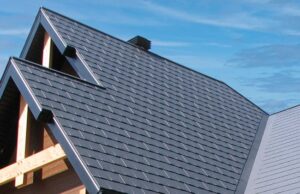
NYC Roofing Codes Explained: Roof Replacement, Permits & Local Laws (2026)
July 9, 2026
No Comments
Read More »
Frequently Asked Questions
How do I know if my roof needs repair or replacement?
Signs such as recurring leaks, missing or damaged roofing materials, water stains on ceilings, and visible wear may indicate that your roof needs attention. A professional inspection can determine whether a repair is sufficient or if a full replacement is recommended.
How often should I schedule a roof inspection in Brooklyn?
It is recommended to schedule a professional roof inspection at least once a year and after major storms. Regular inspections help identify small issues early and prevent costly damage.
What types of roofing systems are commonly used in Brooklyn?
Brooklyn properties commonly use asphalt shingle roofing for residential homes and flat roofing systems for multi-family and commercial buildings. The right system depends on the structure and design of the property.
How long does a typical roofing system last in NYC?
The lifespan of a roof depends on the material and maintenance. Asphalt shingles typically last 20–30 years, while flat roofing systems and premium materials may last longer with proper care.
Do you provide roofing services for both residential and commercial properties?
Yes, NY Roofing provides roofing services for both residential and commercial properties across Brooklyn and NYC, including repairs, replacements, and new installations.

Get in Touch With NY Roofing
Have questions about your roof or planning a roofing project? Our team is here to help. Contact us today to discuss your needs and get reliable roofing solutions for your property.