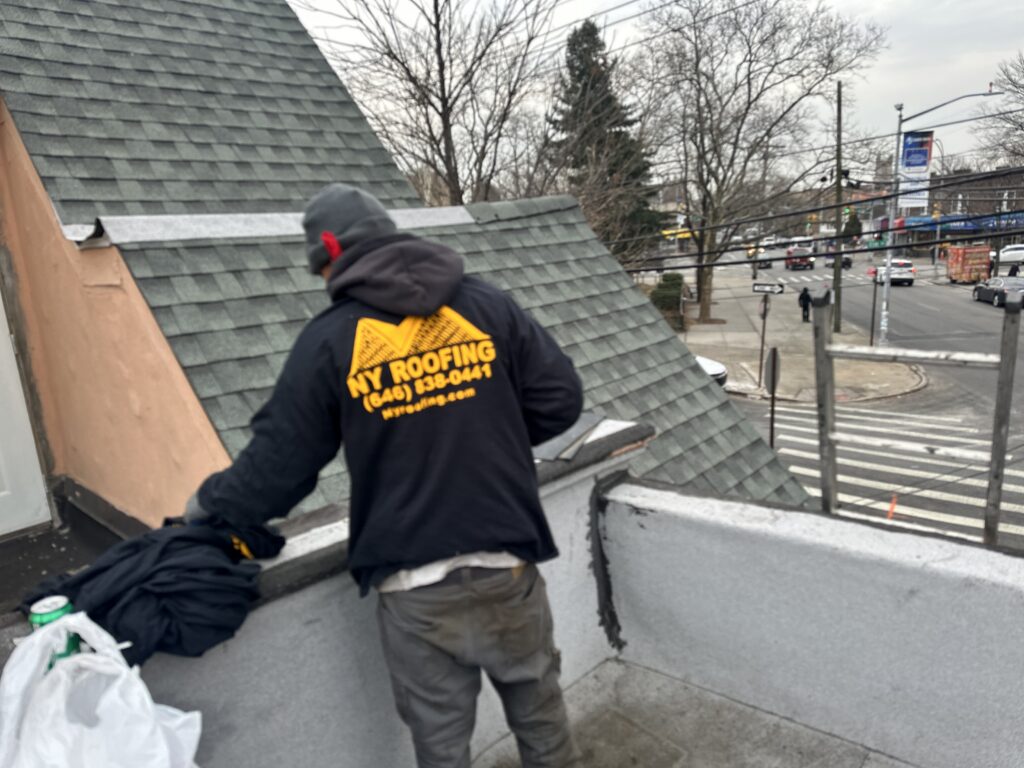
Shingle roofing

Shingle Roofing - NY Roofing

Shingle Roofing vs Flat Roofing: Which Is Best for NYC Homes?

Choosing between shingle roofing vs flat roofing is one of the most important decisions for NYC homeowners. New York roofs deal with heavy rain, snow, high winds, summer heat, freeze-thaw cycles, and dense urban building conditions. Because of this, the right roof is not always the one that looks better or costs less upfront. Many homeowners compare flat roof vs shingles when planning roof repair, replacement, or a new roofing system. A shingles roof is usually found on sloped residential homes, while a flat roof is common on brownstones, row houses, apartment buildings, and multi-family properties. What Is Shingle Roofing? Shingle roofing uses overlapping roof shingles installed on a sloped roof. This system is designed to shed rain, snow, and debris away from the home. Shingles are placed in rows from the lower edge of the roof upward. Each row overlaps the one below it, creating a layered surface that helps move water down the roof. This is why shingles work best on roofs with proper slope. Roof shingles can be made from asphalt, composite materials, metal, slate-style materials, or other products. Asphalt shingles are the most common because they are affordable, widely available, and easier to repair. Shingle Roofing: Traditional, Affordable & Versatile Shingle roofing is a classic choice for NYC homes with sloped roofs. It gives homes a familiar residential appearance and works well with many architectural styles. One major reason homeowners choose shingles is affordability. Asphalt shingle roofing usually has a lower upfront cost than many premium roofing systems. It is also easier to repair when only a small area is damaged. For many NYC homeowners, shingles offer a balance of cost, appearance, and repair flexibility. Types of Roofing Shingles Used in NYC NYC homeowners can choose from several roofing shingle types. The right option depends on budget, roof slope, home style, weather exposure, and long-term maintenance needs. Common roofing shingles include: Asphalt shingles: Affordable, widely used, and easy to repair for most sloped homes. Architectural shingles: Thicker shingles with better durability and stronger curb appeal. Composite shingles: Designed to imitate slate, wood, or premium roofing materials. Metal shingles: A stronger option for homeowners who want longer-term performance. Slate-style shingles: Useful for premium or historic-style homes where appearance matters. Impact-resistant shingles: Helpful for homes exposed to wind, storms, and falling debris. For most NYC homes, asphalt and architectural shingles are the most practical options. They balance price, appearance, and repair convenience. Composite, slate-style, or metal shingles may be better for homeowners who want a more premium look. Pros and Cons of Shingle Roofing Shingle roofing is popular because it is affordable, familiar, and visually appealing. It is especially useful for residential homes with proper roof slope and good ventilation. The main advantages include lower upfront cost, easier shingle roof repair, strong curb appeal, and broad style choices. If only a few shingles are damaged, a roofer may be able to repair that section without replacing the entire roof. The disadvantages are mostly weather-related. Shingles can be affected by wind, ice dams, heavy rain, UV exposure, and falling debris. Over time, shingles may curl, crack, loosen, or lose protective granules. In NYC, shingle roofing performs best when gutters are clean, flashing is secure, and attic ventilation is working properly. Without maintenance, small shingle problems can turn into leaks and interior damage. Shingle Roofing Lifespan in NYC Conditions Shingle roofing lifespan depends on shingle quality, installation, ventilation, roof slope, and maintenance. NYC weather can shorten roof life when small problems are ignored. Summer heat also affects shingles. UV exposure can dry out asphalt materials, weaken the surface, and cause granule loss. Once granules wear away, shingles become more vulnerable to cracking and aging. A shingle vs flat roof lifespan comparison should focus on roof fit. Shingles can last well on pitched roofs, but they are not designed for low-slope surfaces. Regular inspections help protect shingle roofing in NYC conditions. Understanding Flat Roofing Flat roofing is a low-slope roofing system used on many NYC brownstones, apartment buildings, row homes, commercial properties, and multi-family buildings. Unlike shingle roofing, flat roofing does not rely on steep slope to move water quickly. It uses waterproof membranes, drainage systems, seams, flashing, and slight slope to control water. However, flat roofs require strong installation and regular maintenance. Drainage problems, open seams, or damaged membranes can lead to leaks if ignored. What Is Flat Roofing? Flat roofing is a roof system with very low slope. It is not completely flat, but the slope is minimal compared to a pitched shingle roof. A flat roof system usually includes a roof deck, insulation, waterproof membrane, flashing, seams, drains, scuppers, gutters, and edge details. Each part must work together to keep water out. Flat roofing is common in NYC because many buildings have rectangular layouts, shared walls, and limited space. Brownstones, row houses, mixed-use buildings, and apartment properties often use flat roofs because they match the structure. Flat Roofing: Perfect for Brownstones & Multi-Family Buildings Flat roofing works well for brownstones and multi-family buildings because it fits NYC’s dense urban design. Many city properties have attached walls, narrow lots, and roof layouts that are not suited for steep roofing. A flat roof can also make better use of space. It may support HVAC units, vents, roof access, solar panels, skylights, or other building systems when properly designed. Flat roofing may not offer the same street-level curb appeal as shingles, but it provides strong practical value for many NYC properties. What Materials Should a Flat Roofer Use? The best flat roof materials depend on roof condition, building type, drainage, budget, and long-term performance needs. NYC flat roofs need materials that handle rain, snow, heat, ponding water, and rooftop access. Common flat roof materials include: EPDM roofing: Flexible rubber membrane for many low-slope roofs. TPO roofing: Reflective membrane often used for energy efficiency. PVC roofing: Strong option for moisture, grease, and chemical resistance. Modified bitumen: Durable asphalt-based system common on NYC flat roofs. Built-up roofing: Multi-layer waterproofing system for flat

Shingle Roofing vs Flat Roofing: Which Is Best for NYC Homes? Read More »
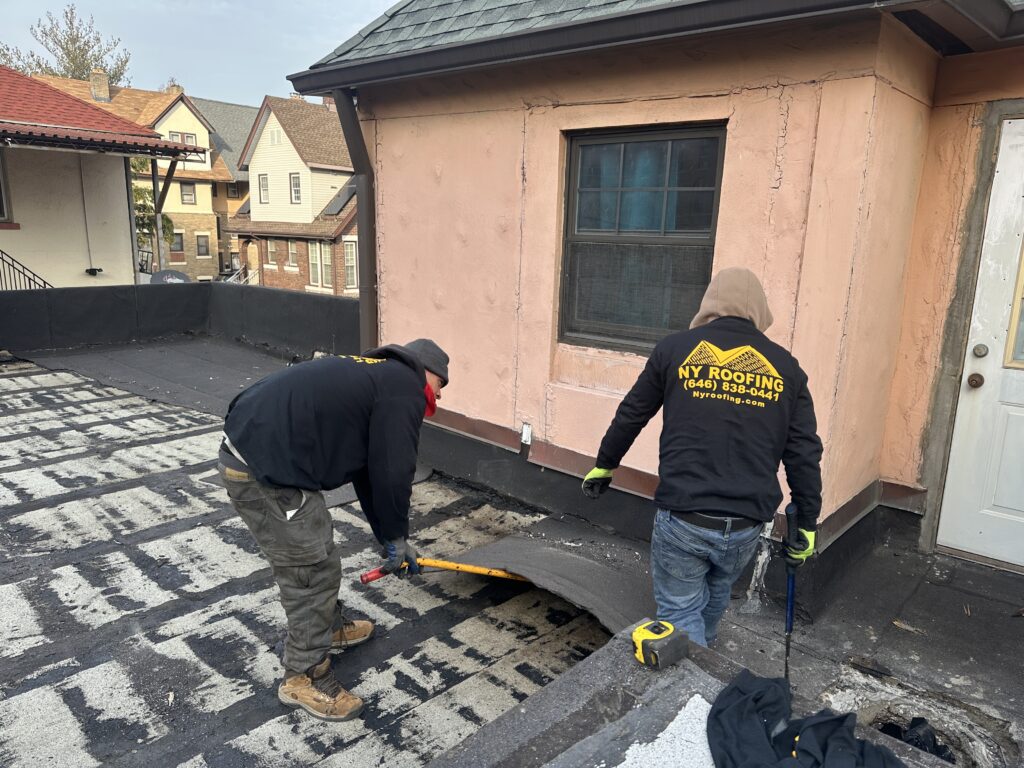
Roof Replacement-NY Roofing

Shingle Roofing in NYC: Best Asphalt & Slate Options, Common Problems & Replacement Signs

Shingle roofing in NYC remains one of the most popular choices for residential homes, townhouses, brownstones, and private properties. Roof shingles are widely used because they offer strong weather protection, flexible design options, and a practical balance between cost, durability, and curb appeal. In New York City, homeowners often compare asphalt roof shingles, slate roofing materials, metal shingle roof systems, and other roofing options before making a decision. Each material has its own benefits, lifespan, maintenance needs, and performance level in NYC weather. This guide explains the basics of shingle roofing, the best roofing shingles for NYC homes, asphalt and slate options, common shingle roof problems, repair signs, pricing factors, and when replacement may be the better long-term solution. Shingle Roofing in NYC: The Basics Homeowners Must Know Shingle roofing is a layered roofing system made from individual overlapping pieces. These pieces are installed from the lower edge of the roof upward, allowing water to shed properly and move away from the home. When installed correctly, shingles create a protective barrier against rain, snow, wind, heat, and moisture. NYC homeowners often choose shingle roofing because it works well for many residential roof styles. While flat roofs are common across the city, many private homes, attached houses, and older residential properties still use sloped roofs with shingles. Shingles are also easier to repair in smaller sections compared to some other roofing materials. The key to long-lasting performance is choosing the right material and having it installed by a professional roofer. Even the best roofing shingles can fail early if they are installed poorly or exposed to unresolved ventilation, flashing, or drainage issues. What Is Shingle Roofing? Shingle roofing uses individual roof shingles to protect the home from weather. Each shingle overlaps the one below it, creating a layered system that directs water down the roof slope. Roof shingles can be made from asphalt, slate, wood, metal, synthetic materials, or composite products. In NYC, asphalt shingles are the most common because they are affordable, available in many styles, and suitable for many residential homes. Slate roofing is also valued for historic homes and high-end properties because of its natural appearance and long lifespan. The main purpose of shingles is to protect the roof deck and interior of the home. Under the shingles, a complete roofing system may include underlayment, flashing, drip edges, ventilation, and waterproofing details. Why Shingle Roofing Is Popular Across NYC Shingle roofing is popular across NYC because it is practical and versatile. It can work on townhouses, brownstones, single-family homes, and multi-family residential properties with sloped roof sections. Asphalt shingles are especially common because they offer many design choices at a more accessible cost than slate or metal. Homeowners can choose colors, textures, and profiles that match the look of the property. Shingle roofing is also easier to repair when damage is limited. If a few shingles are missing or damaged, a roofer may be able to replace that area without replacing the full roof. This makes shingle roof repair a useful option when the roof is still in good overall condition. Types of Roof Shingles Used in NYC Homes NYC homeowners have several roof shingles to choose from. The best option depends on budget, roof slope, building style, structural support, lifespan goals, and maintenance expectations. The most common options include asphalt roof shingles, slate roofing materials, and metal shingle roof systems. Each material performs differently in NYC’s climate, where roofs face rain, snow, wind, freeze-thaw cycles, summer heat, and urban pollution. Asphalt Roof Shingles Asphalt roof shingles are the most common roofing choice for NYC residential properties. They are made from a fiberglass or organic base mat coated with asphalt and protective granules. These granules help protect the shingle from sunlight, weather exposure, and surface wear. An asphalt shingle roof can perform well when installed correctly and maintained regularly. It offers a good balance between cost, appearance, and durability. Asphalt shingles are also available in different grades, from basic 3-tab shingles to thicker architectural shingles. In NYC, asphalt shingles are a practical choice for homeowners who want reliable protection without the higher cost of slate or metal. However, they still need proper ventilation, flashing, and maintenance to prevent early failure. Slate Roofing Materials for NYC Properties Slate roofing materials are made from natural stone. They are known for long-lasting durability, elegant appearance, and strong architectural value. Slate is often seen on historic homes, luxury properties, and buildings where the roof is part of the home’s character. Natural slate roofing tiles can last much longer than many other materials when installed properly. They resist fire, weather, and aging better than many standard roofing products. Their appearance also gives homes a premium and timeless look. The main considerations with slate are weight, installation complexity, and cost. Slate is heavy, so the roof structure must be able to support it. It also requires experienced installers because broken or poorly installed slate tiles can lead to leaks detection. Metal Shingle Roof Systems A metal shingle roof can offer strong durability, wind resistance, and energy performance. Metal shingles are designed to look like traditional roofing materials while offering the strength of metal panels or metal roofing systems. Metal shingles can reflect heat better than some darker asphalt products, which may help reduce heat buildup. They can also perform well against wind and fire when properly installed. For NYC homes, metal shingles may be a good option when homeowners want a longer-lasting system with a different look than standard asphalt. However, installation quality is critical, and the upfront investment is usually higher than basic asphalt shingles. Asphalt Shingle Roofing in NYC: Complete Guide Asphalt shingle roofing remains the most widely used residential roofing option because it is flexible, familiar, and available in many styles. For NYC homeowners, asphalt shingles can provide dependable protection when the roof is properly installed and maintained. The quality of an asphalt shingle roof depends on more than the shingle itself. Underlayment, flashing, ventilation, fasteners, roof deck condition, and

Shingle Roofing in NYC: Best Asphalt & Slate Options, Common Problems & Replacement Signs Read More »

NY Roofing- Shingle Roofing

When Should You Replace a Shingle Roof in Brooklyn?

Brooklyn homes are known for their charm, but the roofs above them often face tough conditions throughout the year. From heavy rain to freezing winters and humid summers, shingle roofs take a constant beating. Over time, even the most durable asphalt shingles begin to show signs of wear. Many homeowners wait too long before considering a replacement. Others replace too early and spend more than necessary. Knowing the right time to replace your shingle roof can save money, prevent structural damage, and protect your property value. This guide explains exactly when you should replace a shingle roof in Brooklyn and what factors you need to consider before making that decision. Understanding the Lifespan of a Shingle Roof The average asphalt shingle roof lasts between 20 and 25 years. However, in Brooklyn, environmental factors can shorten that lifespan. Weather exposure, poor ventilation, and installation quality all play a role. Climate Impact in Brooklyn Brooklyn experiences a mix of weather conditions. Snow and ice in winter can cause moisture buildup. Summer heat can weaken shingles over time. Sudden storms may loosen or damage roofing materials. These conditions often mean that roofs in Brooklyn may need replacement closer to the 15 to 20 year mark rather than reaching the full expected lifespan. Material Quality Matters Not all shingles are created equal. Architectural shingles last longer than basic three-tab shingles. If your roof was installed with lower-quality materials, replacement may be required sooner. Warning Signs That Indicate Roof Replacement Many homeowners overlook early signs of roof failure. Recognizing these indicators early can prevent serious issues. Curling or Cracked Shingles Shingles that curl or crack are a clear sign of aging. This usually happens due to long-term exposure to heat and moisture. Once shingles lose their shape, they can no longer protect your home effectively. Missing Shingles Strong winds and storms can remove shingles from your roof. Missing areas expose the underlying structure to water damage. If this issue is widespread, replacement is often more practical than repair. Granule Loss Asphalt shingles have a protective layer of granules. Over time, these granules wear off and collect in gutters. If you notice excessive granules, your roof is nearing the end of its life. Water Leaks and Interior Damage Water stains on ceilings or walls indicate that moisture has already penetrated the roof. At this stage, delaying replacement can lead to costly structural damage. Age of the Roof and Replacement Timing Even if your roof looks fine from the outside, age is a critical factor. Roofs Over 20 Years Old If your roof is more than 20 years old, it is wise to consider replacement even if there are no visible issues. Aging materials lose their effectiveness and may fail suddenly. Previous Repairs A roof that has undergone multiple repairs may no longer be reliable. Frequent patchwork often signals deeper issues that require full replacement. Cost vs Long-Term Value Many homeowners hesitate due to the cost of replacement. However, delaying can lead to higher expenses. Repair Costs Add Up Repeated repairs can quickly exceed the cost of a new roof. Temporary fixes do not address underlying issues. Energy Efficiency Benefits A new shingle roof improves insulation and ventilation. This can reduce energy bills and make your home more comfortable throughout the year. Property Value Impact Replacing your roof increases property value. It also makes your home more attractive to buyers if you plan to sell in the future. Seasonal Considerations for Roof Replacement Timing your roof replacement is important. Best Time for Replacement Spring and fall are ideal seasons for roofing projects in Brooklyn. The weather is moderate, which allows for proper installation. Emergency Replacements If your roof is leaking or severely damaged, waiting for the ideal season is not an option. Immediate replacement is necessary to prevent further damage. Professional Inspection Makes a Difference A professional inspection provides clarity about your roof condition. What Experts Look For Roofing professionals check for structural issues, moisture damage, and material wear. They also evaluate ventilation and insulation. Why DIY Assessment Is Not Enough Climbing onto your roof can be dangerous. More importantly, untrained eyes may miss critical issues. A professional evaluation ensures accurate decisions. If you are unsure about your roof condition, you can call (646) 838-0441 for expert guidance and a detailed inspection. Repair or Replace: Which Is the Right Choice Not every roofing issue requires replacement. When Repairs Are Enough Small leaks or minor damage can often be repaired. If your roof is relatively new, repair is usually the better option. When Replacement Is Necessary If damage is widespread or the roof is nearing the end of its lifespan, replacement is the smarter investment. It provides long-term protection and peace of mind. Conclusion Replacing a shingle roof in Brooklyn is not just about age. It is about understanding the condition of your roof, the impact of local weather, and the long-term benefits of a new system. Ignoring warning signs can lead to costly repairs and structural damage. Acting at the right time ensures your home stays protected and efficient. If you are noticing signs of wear or your roof is approaching the end of its lifespan, do not wait until problems escalate. Speak with a roofing expert today and get a clear plan for your home. Call NY Roofing at (646) 838-0441 now to schedule your inspection and take the first step toward a safer and more reliable roof. FAQs How do I know if my shingle roof needs replacement? Signs include curling shingles, missing pieces, granule loss, leaks, and visible aging beyond 20 years. Can I repair my roof instead of replacing it? Repairs are possible for minor damage, but widespread issues or aging roofs usually require full replacement. How long does a shingle roof last in Brooklyn? Most shingle roofs last between 15 and 25 years in Brooklyn, depending on weather conditions and maintenance. What happens if I delay roof replacement? Delaying replacement can lead to leaks, structural damage, mold growth, and higher repair

When Should You Replace a Shingle Roof in Brooklyn? Read More »