
Uncategorized

NY Roofing- Roof Replacement 03

A Quick Guide to Hiring the Best Commercial Roofing Contractor in Brooklyn

Hiring the right commercial roofing contractor in Brooklyn is a major decision for property owners, business owners, building managers, and facility teams. Commercial roofs protect tenants, employees, inventory, equipment, customers, and daily operations. When the roof fails, the damage can spread quickly through the building. Brooklyn properties also come with unique roofing challenges. Many buildings have flat roofs, older roof structures, tight access points, mixed-use layouts, rooftop equipment, and strict city requirements. That means not every roofer is the right fit for commercial work. Choosing experienced Brooklyn commercial roofing contractors helps reduce risk. A trusted roofing contractor Brooklyn businesses rely on should understand local weather, commercial roofing systems, drainage, safety, permits, repairs, and long-term maintenance. This guide explains how to compare contractors, what services to expect, which roofing systems are commonly used, and what questions to ask before signing a contract. Why Hiring the Right Commercial Roofing Contractor in Brooklyn Matters Hiring the best commercial roofing contractor is not only about getting the lowest estimate. It is about protecting your building, avoiding future leaks, keeping your business running, and making sure the roof work is done correctly the first time. Commercial roofing requires different skills than basic residential roofing. A commercial contractor roofing team must understand flat roof membranes, roof coatings, drainage systems, rooftop equipment, flashing details, safety planning, and building access issues. In Brooklyn, those details matter even more because properties are often close together and roof access can be limited. Experienced roofing contractors in New York also understand how weather affects local roofs. Heavy rain, snow, summer heat, wind, and freeze-thaw cycles can weaken roofing materials over time. A contractor with local experience can recommend roofing systems that match Brooklyn’s building styles and climate. A poor roofing choice can lead to repeated repairs, interior damage, tenant complaints, business disruption, and higher long-term costs. The right contractor helps protect the building and gives owners a clearer plan for maintenance, repair, or replacement. Unique Roofing Challenges for Brooklyn Commercial Properties Brooklyn commercial properties often have flat roofs, older roof decks, parapet walls, skylights, drains, HVAC units, vents, and tight surrounding spaces. These features make commercial roofing more complex than a simple pitched roof project. Many Brooklyn buildings are also mixed-use structures with retail on the ground floor and apartments or offices above. A roofing project must protect both business operations and occupants inside the building. Space constraints can affect material delivery, debris removal, equipment setup, and crew access. A local contractor understands these challenges and can plan the job without unnecessary disruption. Risks of Hiring the Wrong Roofing Contractor Hiring the wrong commercial roofing contractor can lead to poor workmanship, roof leaks, code issues, unsafe job practices, and unexpected costs. A rushed or poorly installed commercial roof may fail before its expected lifespan. Problems often begin with weak seams, poor flashing, improper drainage, low-quality materials, or missed moisture issues. If a contractor does not understand commercial systems, repairs may only hide the problem temporarily. Cost overruns can also happen when the estimate is vague. A qualified contractor explains scope, materials, timeline, warranty, and possible hidden issues before work begins. Types of Commercial Roofing Services You May Need Commercial buildings need different roofing services at different times. Some properties only need routine inspections and maintenance. Others need urgent leak repair, storm damage service, partial restoration, or full roof replacement. Experienced commercial roofing contractors should be able to inspect the roof, explain the problem, recommend the right solution, and provide a written estimate. The best commercial roof contractors focus on long-term performance, not just quick fixes. A building may need a commercial roof repair contractor when leaks, punctures, seam issues, ponding water, or flashing problems appear. A commercial roof replacement contractor may be needed when the roof is too old, severely damaged, or no longer cost-effective to repair. Commercial Roof Inspection & Preventive Maintenance Commercial roof inspections help identify small problems before they become expensive damage. A proper inspection should check roof surface condition, seams, flashing, drains, penetrations, skylights, parapet walls, and rooftop equipment areas. Preventive maintenance is especially important for Brooklyn flat roofs because clogged drains, ponding water, loose flashing, and membrane wear can lead to leaks. Regular maintenance helps extend roof life and reduce emergency repair costs. A good contractor should provide roof inspection notes, photos, repair recommendations, and a maintenance plan when needed. Commercial Roof Repair Services Commercial roof repair services may include roof leak detection, membrane patching, flashing repair, drain repair, seam reinforcement, coating touch-ups, and storm damage repairs. Repairs should match the existing roof system. A professional contractor should not simply cover the problem without finding the source. Water can travel under roofing materials before showing inside the building, so proper diagnosis matters. Fast repair is important for businesses because leaks can damage inventory, ceilings, electrical systems, insulation, and tenant spaces. Commercial Roof Replacement & New Installations Commercial roof replacement may be needed when the existing roof has widespread damage, wet insulation, repeated leaks, poor drainage, or an expired service life. Replacement is a bigger investment, but it may save money compared with repeated repairs. New installations should include proper material selection, insulation planning, drainage review, flashing details, and warranty options. A commercial roof replacement contractor should explain whether TPO, EPDM, modified bitumen, PVC, metal roofing, or coating systems fit the property. The right installation protects the building for years. Popular Commercial Roofing Systems Used in Brooklyn Brooklyn commercial buildings use several roofing systems depending on roof slope, structure, budget, energy goals, and building use. Many properties use flat roofing systems because low-slope roofs are common across commercial and mixed-use buildings. Experienced commercial flat roofing contractors understand membrane systems, drainage, seams, and waterproofing details. Some buildings may also need commercial metal roofing contractors for sloped or industrial roof sections. Property owners searching for commercial metal roofing contractors near me should compare experience carefully. Commercial metal systems require proper fastening, expansion planning, flashing, and insulation details. Flat Roofing Systems for Commercial Buildings Flat roofing systems are widely

A Quick Guide to Hiring the Best Commercial Roofing Contractor in Brooklyn Read More »
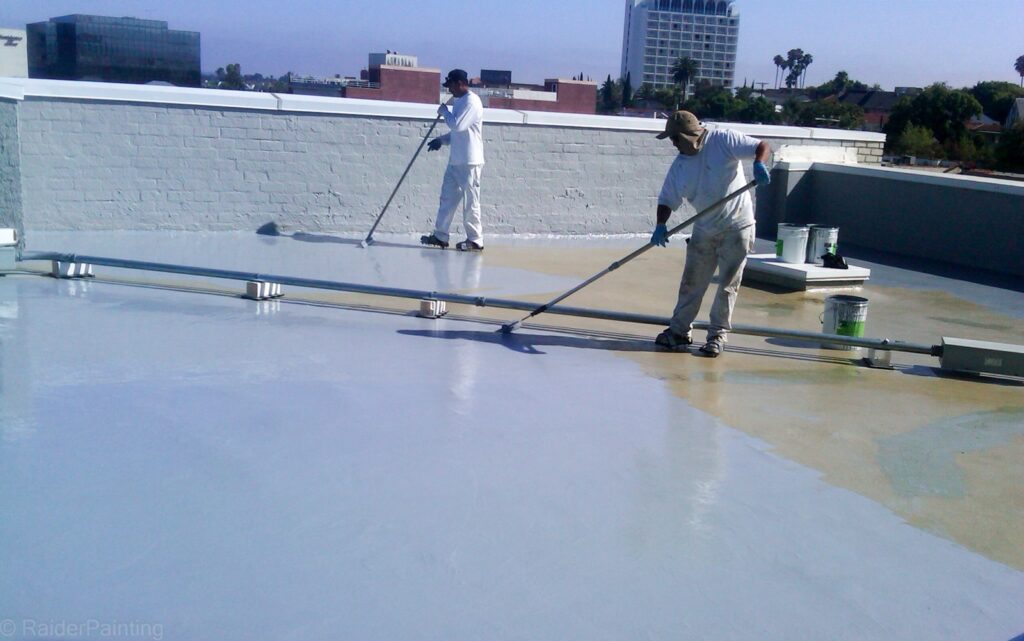
Two workers wearing hats and white clothing apply a waterproof coating to a flat rooftop using long rollers on handles. Paint cans and tools are nearby, and buildings are visible in the background under a clear sky.

Roofing Insurance: What Every Roofer in NY Must Know

Roofing insurance is one of the most important protections for roofers, roofing contractors, and property owners in New York. Roofing work carries serious risks, including falls, property damage, worker injuries, storm-related hazards, equipment damage, and liability claims. For roofers in NY, proper roof insurance is not only about protecting the business. It also helps build homeowner trust, meet project requirements, support permit needs, and reduce financial exposure. Operating without the right coverage can lead to penalties, lawsuits, lost jobs, and major out-of-pocket costs. This guide explains roofing insurance coverage types, roofing insurance cost factors, workers’ compensation, general liability, surety bonds, claims, roof replacement insurance, and how to choose the best roofing insurance policy. What Is Roofing Insurance and Why It Matters in NY Roofing insurance protects roofing businesses from financial losses related to injuries, property damage, accidents, lawsuits, and job-related risks. Roofing insurance is a group of business insurance policies designed for roofers and contractors. It can include general liability, workers’ compensation, commercial auto, tools and equipment coverage, umbrella coverage, and surety bonds. Roofing insurance also protects homeowners. When a contractor has proper insurance, the homeowner has more confidence that property damage, worker injuries, or project accidents will be handled through the right channels. Personal insurance is not the same as professional roofing insurance. A personal policy usually does not cover business roofing work. Professional roof insurance is designed for jobsite risks, employees, subcontractors, clients, and business operations. Roofing Insurance Cost: What Influences the Price Roofing insurance cost in New York depends on business size, payroll, services offered, claims history, location, coverage limits, and risk level. There is no single average roofing insurance cost that applies to every roofer. A small contractor doing basic residential repair may pay less than a large roofing company handling commercial buildings, multi-story projects, flat roofs, and multiple crews. Business location matters too. Roofers working in New York City may face higher exposure because of dense buildings, property values, pedestrian areas, and access challenges. Many roofers search for the cheapest roofing insurance, but the cheapest policy is not always the safest. A low-cost policy with weak limits, exclusions, or missing coverage can create bigger problems later. The best approach is to compare quotes, review limits, check exclusions, and choose coverage that fits the actual roofing work being performed. Types of Roofing Insurance Every NY Roofer Needs Roofers may need mandatory and optional insurance policies depending on business structure, employees, project type, permits, and client requirements. Common roofing insurance policies include general liability, workers’ compensation, commercial auto, tools and equipment coverage, umbrella liability, professional liability, and surety bonds. The best roofing insurance plan depends on the contractor’s work, crew size, project value, and legal requirements. Important roofing insurance types include: General liability insurance: Covers certain third-party injury and property damage claims. Workers’ compensation insurance: Helps cover employee job-related injuries and wage loss. Commercial auto insurance: Covers business vehicles used for roofing work. Tools and equipment coverage: Protects roofing tools, machines, and jobsite equipment. Umbrella liability insurance: Adds extra liability protection above standard policy limits. Surety bond: Helps protect clients or municipalities if a contractor fails to meet obligations. Not every roofer needs the same package. A licensed insurance agent can help match coverage to the business. General Liability Insurance for Roofing Contractors General liability insurance helps protect roofers from certain third-party claims involving property damage, bodily injury, and completed work risks. For roofing contractors, general liability is one of the most important policies. It may help if a roofer damages a homeowner’s siding, breaks a skylight, causes interior water damage, or a third party is injured because of jobsite activity. Homeowners should care about contractor liability insurance because roofing work happens directly on their property. Without proper coverage, disputes over damage can become stressful and expensive. In NYC, licensed contractors may need to maintain general liability coverage for permit and licensing-related requirements. Requirements can vary by contractor type and project scope, so roofers should confirm details with DOB and their insurance provider. The best roofing insurance policy should include limits that match the contractor’s risk level. A small repair business and a large commercial roofer may need very different coverage limits. What Is Workers’ Compensation Insurance And How Does It Work? Workers’ compensation insurance helps cover job-related employee injuries, medical costs, lost wages, and certain disability benefits. Roofing is physically demanding and dangerous. Workers may face falls, cuts, sprains, heat stress, ladder accidents, falling materials, and equipment injuries. Workers’ compensation insurance helps protect both the employee and the employer when an injury happens during work. In many cases, workers’ comp pays for medical treatment and a portion of lost wages while the injured employee recovers. It can also help protect employers from certain injury-related lawsuits. In New York, employers with employees are generally required to carry workers’ compensation coverage. Roofing companies should confirm their exact obligations based on business structure, employee status, subcontractors, and project requirements. Workers’ compensation insurance works by creating a formal process for jobsite injury claims. If a covered worker is hurt, the injury is reported, medical documentation is reviewed, and benefits may be paid according to policy and state rules. Why Should Homeowners Be Concerned About Their Roofing Contractor’s Workers’ Compensation Plan? Homeowners should care about workers’ compensation because uninsured worker injuries can create legal, financial, and project-related problems. If a roofing worker is injured on a homeowner’s property and the contractor does not have proper workers’ compensation coverage, the situation can become complicated. The injured worker may seek payment for medical costs, lost wages, or damages through other legal routes. Homeowners may not always be directly responsible, but hiring uninsured contractors increases risk. It can also create delays, disputes, and insurance complications. Before hiring a roofer, homeowners should ask for proof of workers’ compensation insurance. They should review the certificate, check that the business name matches the contractor, and confirm the policy is active. Why Should Homeowners Be Concerned About Their Roofing Contractor’s General Liability Insurance? Homeowners should care about

Roofing Insurance: What Every Roofer in NY Must Know Read More »

NY Roofing- Roof Replace 01

How to Choose a Trusted Roofing Contractor in NYC for Residential & Commercial Projects

Finding a reliable roofing contractor in NYC isn’t as simple as picking the first name that appears on Google. With thousands of buildings packed into Manhattan, Brooklyn, and the Bronx—many of them decades old—roofing work in New York City demands experience, compliance knowledge, and precision. A poor roofing decision can lead to recurring leaks, failed inspections, structural damage, and thousands of dollars in avoidable repairs. Whether you’re a homeowner planning a roof replacement or a commercial property owner managing a flat roof system, choosing the right roofing contractor in NYC is one of the most important decisions you’ll make for your property. This guide walks you through what truly matters, how to spot red flags, and how to confidently hire a contractor who can handle NYC’s unique roofing challenges. Why Choosing the Right Roofing Contractor in NYC Matters NYC roofs face stress that many other cities simply don’t. Harsh winters, heavy rainfall, extreme summer heat, and constant wear from urban pollution shorten roof lifespans faster than national averages. Add local building codes, permit requirements, and strict safety regulations, and roofing in NYC becomes a highly specialized trade. A trusted roofing contractor understands these challenges and plans accordingly. They don’t just install materials—they protect your investment, ensure compliance, and deliver long-term performance. The wrong contractor, on the other hand, can leave you with code violations, water damage, and voided warranties. Residential vs Commercial Roofing: Why Experience Matters Residential and commercial roofing projects in NYC are very different, and your contractor should be equipped to handle the type of property you own. Residential roofing often involves asphalt shingles, slate, clay tile, or small flat roofs on townhomes and multi-family buildings. These projects require attention to aesthetics, neighborhood regulations, and structural integrity. Commercial roofing focuses heavily on flat roofing systems such as EPDM and other rubber membranes. These roofs must support drainage systems, HVAC units, foot traffic, and long-term maintenance plans. A contractor without commercial experience may overlook critical performance factors. A trusted roofing contractor in NYC should clearly demonstrate experience in both residential and commercial environments—or specialize honestly in one without overpromising. Licensing, Insurance, and NYC Compliance One of the biggest mistakes property owners make is hiring an unlicensed or underinsured roofer. In NYC, roofing contractors must comply with city and state regulations to legally operate. A reputable roofing contractor should carry valid licensing, general liability insurance, and workers’ compensation coverage. This protects you from liability if an accident occurs on your property. It also signals professionalism and accountability. Beyond insurance, NYC roofing projects often require permits and inspections. A knowledgeable contractor handles these requirements smoothly, ensuring your project doesn’t face delays, fines, or stop-work orders. Local NYC Experience Is Non-Negotiable Roofing in NYC is not the same as roofing in suburban or rural areas. Older buildings, limited access points, rooftop equipment, and neighboring structures all impact how roofing work is performed. A contractor with deep NYC experience understands borough-specific challenges. Manhattan projects often involve tight spaces and complex logistics. Brooklyn properties may include older flat roofs with hidden damage. Bronx buildings frequently require structural evaluations before work begins. When choosing a roofing contractor in NYC, local experience isn’t a bonus—it’s essential. Transparency in Estimates and Roofing Proposals A trustworthy roofing contractor provides detailed, transparent estimates. You should understand what materials will be used, how long the project will take, and what the warranty includes. Vague quotes or unusually low pricing are warning signs. In many cases, low bids lead to shortcuts, inferior materials, or surprise charges later. A professional contractor explains costs clearly and sets realistic expectations from day one. Clear communication builds trust and prevents misunderstandings during the project. Warranties, Materials, and Long-Term Value Roofing is a long-term investment, and warranties matter. A reliable roofing contractor in NYC will explain both manufacturer warranties and workmanship guarantees. Material quality is equally important. Contractors should recommend roofing systems based on your building type, budget, and performance needs—not just what’s cheapest or easiest to install. When a contractor focuses on long-term value rather than short-term savings, it shows they care about your property’s future, not just closing the job. Reviews, Reputation, and Proven Results Online reviews, testimonials, and referrals remain one of the most powerful ways to evaluate a roofing contractor. Consistent feedback from NYC property owners indicates reliability and professionalism. Look beyond star ratings. Pay attention to how contractors respond to concerns, how they handle delays, and whether customers mention long-term satisfaction after the project is complete. A strong reputation across residential and commercial projects is a clear sign of trustworthiness. Communication and Project Management Roofing projects in NYC require coordination, especially in commercial settings. A trusted contractor communicates clearly, provides timelines, and keeps you informed throughout the process. Poor communication often leads to delays, cost overruns, and frustration. The right contractor assigns a dedicated point of contact and treats your project with structure and accountability. Red Flags to Watch Out For Be cautious if a contractor pressures you to sign immediately, demands full payment upfront, or refuses to provide documentation. These behaviours often indicate unreliable or inexperienced operators. Professional roofing contractors welcome questions, provide proof of credentials, and respect your decision-making process. Making the Final Decision Choosing a roofing contractor in NYC comes down to trust, experience, and transparency. The right contractor understands your building, respects local regulations, communicates clearly, and delivers lasting results. When you invest time in selecting the right professional, you protect your property, avoid costly repairs, and gain peace of mind. If you want to know more about NY Roofing or need expert guidance for your residential or commercial roofing project in NYC, give us a call at (646) 838-0441. Our team will be happy to help you make the right roofing decision. Frequently Asked Questions About Roofing Contractors in NYC How do I verify a roofing contractor in NYC? You can verify a roofing contractor in NYC by checking their licensing, insurance coverage, local experience, and customer reviews. A trusted contractor will always provide documentation

How to Choose a Trusted Roofing Contractor in NYC for Residential & Commercial Projects Read More »

EPDM vs TPO Roofing in NYC: Which Flat Roof System Lasts Longer?

Flat roofs dominate New York City’s residential and commercial buildings from Brooklyn brownstones to Queens apartment complexes and retail properties across the Bronx. When it comes time to install or replace a flat roof, property owners are often faced with the same question: EPDM or TPO — which flat roofing system lasts longer in NYC? Both materials are widely used, durable, and well-suited for urban environments. However, their performance, lifespan, maintenance needs, and cost vary depending on building type and local conditions. At NY Roofing, we install and repair both systems regularly. This guide breaks down EPDM vs TPO roofing in NYC, helping property owners make an informed, long-term decision. Why Material Choice Matters for Flat Roofing in NYC NYC presents unique challenges that directly affect flat roof lifespan: Freeze–thaw cycles that stress roofing membranes Heavy rain and snow accumulation UV exposure during hot summers Rooftop foot traffic and equipment Older building structures and drainage limitations Choosing the right flat roofing system isn’t just about upfront cost, it’s about durability, maintenance, and performance over decades. What Is EPDM Roofing? EPDM (Ethylene Propylene Diene Monomer) is a synthetic rubber roofing membrane commonly used on flat roofs. Key Characteristics of EPDM Black rubber membrane Installed in large sheets Seams sealed with adhesive or tape Highly flexible material EPDM has been used in NYC for decades and is known for its reliability. What Is TPO Roofing? TPO (Thermoplastic Polyolefin) is a newer flat roofing membrane designed to combine durability with energy efficiency. Key Characteristics of TPO White or light-colored membrane Heat-welded seams Reflective surface Lightweight and flexible TPO has gained popularity in NYC due to rising energy costs and cooling efficiency concerns. EPDM vs TPO: Lifespan Comparison EPDM Roofing Lifespan Average lifespan: 20–30 years Proven performance record Excellent flexibility in cold temperatures EPDM performs exceptionally well during NYC winters because it remains flexible even in freezing conditions. TPO Roofing Lifespan Average lifespan: 20–25 years Seam strength depends on installation quality Performs well in heat but can stiffen in extreme cold When properly installed and maintained, both systems offer long service lives, but EPDM has a longer historical track record. Performance in NYC Weather Conditions Cold Weather Performance EPDM: Excellent flexibility; resists cracking TPO: Can become brittle if poorly formulated Heat & UV Resistance EPDM: Absorbs heat; may increase cooling costs TPO: Reflects sunlight; reduces building heat gain Snow & Rain Handling Both systems rely heavily on proper drainage. Ponding water affects lifespan more than material choice. Maintenance & Repair Considerations EPDM Maintenance Easy to repair with patches Simple seam repairs Lower long-term maintenance cost TPO Maintenance Requires heat welding for seam repairs Repairs must be done by trained professionals Seam failure more likely if poorly installed For NYC buildings where rooftop access is frequent, EPDM repairs are generally faster and simpler. Energy Efficiency Comparison EPDM Black surface absorbs heat Higher cooling costs in summer Can be coated with reflective material if needed TPO Naturally reflective Reduces HVAC workload Popular for retail and commercial buildings TPO is often chosen for energy savings, especially in buildings with high cooling demand. Installation Quality Matters More Than Material In NYC, installation quality is often more important than the material itself. Poor installation leads to: Seam failure Drainage problems Premature leaks Shortened roof lifespan  Working with experienced NYC flat roofing contractors ensures proper installation, code compliance, and long-term durability. Which Roofing System Is Better for Your NYC Property? EPDM Is Often Best If You Want: Proven long-term durability Excellent cold-weather performance Easy repairs Lower upfront costs TPO Is Often Best If You Want: Improved energy efficiency Reflective roofing surface Modern membrane technology Reduced cooling costs The right choice depends on building type, budget, and long-term goals. Why NY Roofing Helps NYC Property Owners Choose Right At NY Roofing, we don’t push one material over another. We assess: Roof structure Drainage design Building usage Energy efficiency goals Budget and timeline Our goal is long-term performance not short-term savings. Installation Quality Matters More Than Material In NYC, installation quality is often more important than the material itself. Poor installation leads to: Seam failure Drainage problems Premature leaks Shortened roof lifespan Working with experienced NYC flat roofing contractors ensures proper installation, code compliance, and long-term durability. Which Roofing System Is Better for Your NYC Property? EPDM Is Often Best If You Want: Proven long-term durability Excellent cold-weather performance Easy repairs Lower upfront costs TPO Is Often Best If You Want: Improved energy efficiency Reflective roofing surface Modern membrane technology Reduced cooling costs The right choice depends on building type, budget, and long-term goals. Why NY Roofing Helps NYC Property Owners Choose Right At NY Roofing, we don’t push one material over another. We assess: Roof structure Drainage design Building usage Energy efficiency goals Budget and timeline Our goal is long-term performance not short-term savings. Conclusion When comparing EPDM vs TPO roofing in NYC, there’s no one-size-fits-all answer. EPDM offers unmatched durability and ease of repair, while TPO delivers energy efficiency and modern performance. The key to a long-lasting flat roof isn’t just the material — it’s proper installation, drainage, and ongoing maintenance. With expert guidance from NY Roofing, NYC property owners can choose the flat roofing system that delivers lasting protection and value. EPDM vs TPO Roofing FAQs Which flat roofing system lasts longer, EPDM or TPO? EPDM typically lasts slightly longer due to its proven track record and flexibility in cold climates like NYC. Is TPO better than EPDM for energy efficiency? Yes. TPO reflects sunlight and helps reduce cooling costs, making it more energy-efficient. Which flat roof is easier to repair? EPDM is generally easier and faster to repair than TPO. Can EPDM or TPO be used on residential buildings? Yes. Both systems are suitable for residential and commercial flat roofs in NYC.

EPDM vs TPO Roofing in NYC: Which Flat Roof System Lasts Longer? Read More »

Commercial Flat Roofing in NYC: Best Solutions for Retail & Apartment Buildings

Commercial buildings across New York City rely heavily on flat roofing systems. From street-level retail spaces to multi-story apartment buildings, flat roofs are the most practical and widely used roofing solution in dense urban environments like NYC. However, commercial flat roofing requires specialized expertise. Poor installation, improper drainage, or delayed maintenance can quickly lead to leaks, business disruption, tenant complaints, and expensive repairs. At NY Roofing, we specialize in commercial flat roofing in NYC, helping property owners, landlords, and facility managers choose the right roofing systems for long-term performance. This guide explains the best flat roofing solutions for retail and apartment buildings, what makes them effective in NYC, and how to protect your investment. Why Flat Roofing Dominates Commercial Buildings in NYC Flat roofs are preferred for commercial properties because they offer: Cost-effective installation Easier access for maintenance Space for HVAC units and equipment Efficient use of building footprint Compatibility with NYC building designs Retail buildings and apartment complexes across Brooklyn, Queens, Bronx, and Manhattan rely on flat roofs to support daily operations and long-term durability. Unique Challenges of Commercial Flat Roofing in NYC NYC presents challenges that directly impact flat roofing systems: Heavy rain and snow accumulation Freeze–thaw cycles Rooftop foot traffic Older building structures Strict NYC Department of Buildings regulations Without proper material selection and professional installation, flat roofs are vulnerable to premature failure. Best Commercial Flat Roofing Systems for NYC Buildings Choosing the right flat roofing system depends on building type, budget, and long-term goals. Below are the most effective options for NYC retail and apartment buildings. 1. EPDM Rubber Roofing EPDM (Ethylene Propylene Diene Monomer) is one of the most widely used flat roofing materials in NYC. Why EPDM Works Well in NYC Excellent weather resistance Flexible in extreme temperatures Long lifespan (20–30 years) Cost-effective repairs EPDM is especially popular for apartment buildings due to its durability and ease of maintenance. 2. TPO Roofing Systems TPO (Thermoplastic Polyolefin) roofing is a modern, energy-efficient flat roofing solution. Benefits of TPO Roofing Highly reflective surface reduces cooling costs Strong heat-welded seams Resistant to UV rays and chemicals Ideal for retail buildings with high energy usage TPO roofing helps NYC property owners improve energy efficiency while maintaining durability. 3. Modified Bitumen Roofing Modified bitumen is a multi-layer asphalt-based system commonly found on older NYC buildings. Why Property Owners Choose It Strong waterproofing High puncture resistance Excellent for high foot-traffic roofs Reliable performance in cold climates It’s often used for commercial roof replacement in NYC when upgrading older systems. Flat Roofing Solutions for Retail Buildings Retail properties face unique challenges, including: Rooftop HVAC units High interior foot traffic sensitivity Need for minimal business disruption Customer safety concerns The best flat roofing solutions for retail buildings prioritize: Fast installation Minimal odor and noise Strong leak protection Easy maintenance EPDM and TPO systems are most commonly recommended for retail spaces. Flat Roofing Solutions for Apartment Buildings Apartment buildings require flat roofing systems that protect multiple units below. Key priorities include: Long-term waterproofing Drainage efficiency Mold and moisture prevention Quiet installation for tenants EPDM and modified bitumen systems are often the best fit for apartment complexes across NYC. Importance of Drainage in Commercial Flat Roofing Poor drainage is the leading cause of flat roof failure in NYC. Professional flat roofing services address: Clogged or undersized drains Ponding water issues Improper roof slope Structural settling Correct drainage design is essential for extending roof lifespan. Commercial Flat Roof Maintenance & Inspections Routine maintenance helps prevent costly repairs and premature replacement. NY Roofing recommends: Semi-annual roof inspections Post-storm inspections Drain and scupper cleaning Seam and flashing checks Preventive maintenance is far more affordable than emergency repairs. Signs Your Commercial Flat Roof Needs Repair or Replacement Property owners should watch for: Persistent leaks Ponding water Cracked or blistered membrane Rising energy costs Interior ceiling stains Mold or mildew odors Early action reduces downtime and repair costs. Why Choose NY Roofing for Commercial Flat Roofing in NYC NY Roofing is trusted by NYC property owners because: We specialize in commercial flat roofing systems Our crews understand NYC building codes We work with retail and apartment properties daily We provide honest recommendations Our work is warranty-backed We focus on long-term performance, not quick fixes. Conclusion Commercial flat roofing plays a critical role in protecting NYC retail and apartment buildings. Choosing the right roofing system, maintaining proper drainage, and working with experienced professionals ensures long-term durability and cost control. With expert commercial flat roofing in NYC, NY Roofing helps property owners safeguard their buildings with reliable, code-compliant solutions built for New York’s demanding environment. Commercial Flat Roofing FAQs What is the best flat roofing system for commercial buildings in NYC? EPDM, TPO, and modified bitumen are the most reliable flat roofing systems for NYC commercial buildings. How long does a commercial flat roof last? Most commercial flat roofs last between 20–30 years depending on material, maintenance, and weather exposure. How often should commercial flat roofs be inspected? Commercial flat roofs should be inspected at least twice per year and after major storms. Can commercial flat roofs be repaired instead of replaced? Yes. Many flat roof issues can be repaired if the system is structurally sound and not near the end of its lifespan.

Commercial Flat Roofing in NYC: Best Solutions for Retail & Apartment Buildings Read More »

Flat Roof Leaks in NYC: Causes, Warning Signs, and Long-Term Fixes

Flat roofs are extremely common across New York City, especially in Brooklyn, where multi-family buildings, brownstones, apartment complexes, and commercial properties dominate the landscape. While flat roofs offer practical advantages, they are also more vulnerable to leaks if not properly installed or maintained. A small flat roof leak may seem harmless at first, but in NYC’s climate where heavy rain, snow, humidity, and temperature swings are constant it can quickly escalate into interior water damage, mold growth, and structural deterioration. At NY Roofing, we specialize in flat roof leak repair in NYC, helping Brooklyn property owners identify issues early and implement long-term solutions instead of temporary patches. This guide explains the most common causes of flat roof leaks, the warning signs to watch for, and how professional repairs protect your property long term. Why Flat Roof Leaks Are So Common in Brooklyn Flat roofs are designed with minimal slope to allow water drainage, but even slight issues can prevent proper runoff. In Brooklyn, flat roofs face additional challenges such as: Older building structures Aging roofing membranes Heavy rooftop equipment (HVAC units, satellite dishes) Poor drainage systems Harsh seasonal weather Because water doesn’t naturally shed as easily as on pitched roofs, flat roofing systems require careful installation and routine maintenance to remain watertight. Common Causes of Flat Roof Leaks in NYC Understanding the root cause of a flat roof leak is essential for permanent repair. Here are the most common issues we see across Brooklyn properties. 1. Ponding Water Ponding water occurs when rainwater remains on the roof for more than 48 hours. Over time, standing water weakens roofing membranes and causes seams to fail. Why it happens: Improper roof slope Blocked drains or scuppers Structural settling Ponding water is one of the leading reasons property owners need flat roof repair in Brooklyn. 2. Cracked or Aging Roofing Membrane Most flat roofs use materials like EPDM, TPO, or modified bitumen. While durable, these materials deteriorate over time. Common issues include: Cracks from temperature changes Shrinkage pulling seams apart UV damage weakening membrane integrity Once the membrane fails, water seeps directly into the roof system. 3. Damaged Flashing and Roof Penetrations Flashing protects vulnerable areas around: Chimneys Skylights HVAC units Vent pipes In Brooklyn’s older buildings, flashing often becomes loose, rusted, or cracked allowing water to enter beneath the roofing layers. 4. Clogged or Poor Drainage Systems Flat roofs rely heavily on internal drains and scuppers. When these become blocked by debris, water backs up and forces its way into seams or weak points. Routine maintenance is critical to prevent drainage-related leaks. 5. Improper Repairs or Patchwork Temporary patches may stop leaks briefly but often fail within months. We frequently see multiple patch layers trapping moisture beneath the roof surface leading to larger, more expensive repairs later. Warning Signs of a Flat Roof Leak Flat roof leaks aren’t always obvious at first. Watch for these early warning signs: Water stains on ceilings or walls Bubbling or blistering on the roof surface Mold or mildew odors Peeling paint indoors Dripping water after rainfall Soft or spongy roof areas If you notice any of these, it’s important to schedule professional flat roof leak repair in NYC immediately. Why Flat Roof Leaks Should Never Be Ignored Delaying repairs can lead to: Structural wood rot Insulation failure Mold growth (a serious health risk) Electrical hazards Interior property damage Higher long-term repair costs In Brooklyn’s dense housing environment, a single roof leak can impact multiple units below. Long-Term Flat Roof Leak Repair Solutions At NY Roofing, we focus on permanent fixes not temporary patches. Our long-term solutions include: 1. Professional Flat Roof Inspection We identify: Membrane damage Drainage issues Structural weaknesses Hidden moisture intrusion Accurate diagnosis ensures the right repair strategy. 2. Seam & Membrane Restoration For EPDM and TPO roofs, we: Re-seal seams Repair punctures Apply protective coatings This restores waterproof integrity without full replacement when possible. 3. Drainage Corrections We improve water flow by: Clearing drains Adjusting slope Installing additional drainage points if needed Proper drainage prevents future leaks. 4. Flashing Replacement & Reinforcement We replace damaged flashing with modern, durable materials designed for NYC conditions. 5. Flat Roof Replacement (When Necessary) If the roof has extensive damage or is near the end of its lifespan, replacement may be the most cost-effective long-term solution. Why Choose NY Roofing for Flat Roof Repair in Brooklyn Brooklyn property owners choose NY Roofing because: We specialize in NYC flat roofing systems Our crews understand local building structures We follow NYC Department of Buildings regulations We offer honest assessments and upfront pricing Our repairs are built to last We don’t upsell unnecessary work only what your roof actually needs. Conclusion Flat roof leaks are one of the most common and costly roofing issues in Brooklyn and across NYC. While small leaks may seem manageable, ignoring them often leads to serious damage and expensive repairs. With expert flat roof leak repair in NYC, NY Roofing helps Brooklyn homeowners and property managers protect their buildings with long-term, reliable solutions. From inspections and drainage corrections to membrane restoration and full replacements, our team ensures your flat roof stays watertight and secure for years to come. Concerned about flat roof leaks or ongoing water damage in your Brooklyn property?  Contact a trusted NYC roofing expert today for a professional flat roof inspection and long-term repair solution. Call NY Roofing at (646) 838-0441 or visit https://nyroofing.com/ to schedule an assessment. Our experienced team will identify the root cause of your flat roof issues and provide durable, cost-effective repairs that protect your building and prevent future leaks. Flat Roof Leak Repair FAQs What causes flat roof leaks in NYC? Flat roof leaks are commonly caused by ponding water, aging membranes, damaged flashing, clogged drains, and improper past repairs. Can a flat roof leak be repaired without replacing the entire roof? Yes. Many flat roof leaks can be permanently repaired if the membrane and structure are still in good condition. How quickly should flat roof

Flat Roof Leaks in NYC: Causes, Warning Signs, and Long-Term Fixes Read More »

Storm Damage Roof Repair in NYC: What to Do After a Heavy Storm or Leak

NYC storms can cause sudden roof damage—from missing shingles to serious leaks. Acting quickly after a storm protects your home and prevents further destruction. NY Roofing specializes in storm damage roof repair in Queens and NYC, offering fast emergency response and expert restoration. 1. Prioritize Safety Avoid climbing onto the roof Watch for electrical hazards Use buckets to control leaks 2. Document the Damage Take photos of: Roof damage Fallen debris Interior leaks Ceiling stains Documentation helps insurance claims. 3. Temporary Protection Use tarps Move valuables Dry wet areas 4. Common NYC Storm Damage Wind-blown shingles Flat roof membrane tears Ponding water Flashing damage Tree branch impact 5. Why Immediate Repairs Matter Delays cause: Mold growth Structural rot Insurance claim denial Higher repair costs Call for emergency roof repair immediately. Conclusion Storm damage can’t wait. Quick action protects your home, your belongings, and your insurance coverage. NY Roofing delivers fast, professional storm damage roof repair across Queens and NYC—keeping homes safe after severe weather. Want to know more about NY Roofing, give us a call (646) 838-0441   Storm Damage Roofing FAQs How fast should storm damage be repaired? Immediately. Delays increase damage and repair costs. Does insurance cover storm damage? Most policies cover wind and storm-related roof damage. Can storm damage lead to roof replacement? Yes, severe damage may require full replacement instead of repairs.

Storm Damage Roof Repair in NYC: What to Do After a Heavy Storm or Leak Read More »

Ventilate Your Flat Roof - NY Roofing

Top Roofing Materials for NYC Homes: From Asphalt Shingles to Slate

Choosing the right roofing materials for NYC homes is important because New York roofs face tough conditions year-round. Snow, heavy rain, summer heat, coastal winds, freeze-thaw cycles, and dense urban construction can all affect roof performance. NYC homes are also built in many different styles. Some properties have pitched roofs with shingles or slate, while others have flat roofs common on brownstones, row houses, apartment buildings, and commercial-style residential properties. Popular options include asphalt shingles, metal roofing, slate roofing, rubber roof materials, TPO roofing material, and other flat roofing systems. The best choice depends on your home type, roof slope, budget, building structure, and long-term maintenance goals. Why Choosing the Right Roofing Materials Matters in NYC Roofing materials affect durability, comfort, energy performance, maintenance, curb appeal, and long-term roof value. In NYC, choosing the wrong material can lead to early roof problems. A roof that works well in one region may not perform the same way in New York. Local weather, building density, roof access, and property style all matter. NYC Climate and Building Structure Considerations NYC weather can be hard on roof materials. Snow and ice can stress shingles, rain can expose flashing problems, heat can age surfaces, and wind can loosen poorly installed materials. Building structure also matters. A single-family home with a pitched roof may work well with asphalt shingles, metal, or slate. A brownstone or multi-family building often needs flat roofing materials such as EPDM, TPO, PVC, modified bitumen, or built-up roofing. The right material should match the roof slope and building design. Local Codes and Long-Term Cost Factors Roofing materials cost is not just about the purchase price. Homeowners should also consider installation, maintenance, repair needs, energy performance, and lifespan. Some roofing materials may require special installation methods, permits, or structural review. Heavy materials like slate may need stronger roof framing. A lower-cost material may be practical for some homes, while premium materials may offer better long-term value. The best choice balances budget, durability, and climate performance. Complete Roofing Materials List for NYC Homes A complete roofing materials list helps homeowners compare common and modern roofing options before starting a roof repair or replacement project. NYC homes may use traditional shingles, premium slate, metal panels, synthetic products, and flat roof membranes. Each material has a different purpose. Common and Modern Roofing Materials Overview Common roofing materials include asphalt shingles, architectural shingles, metal roofing, slate, synthetic slate, clay tile, concrete tile, EPDM, TPO, PVC, modified bitumen, and built-up roofing. Modern roofing materials focus on durability, energy efficiency, lower maintenance, and better weather resistance. Reflective membranes, synthetic shingles, reinforced underlayments, and advanced flat roof systems are now common choices. Different types of roofing materials are used for different roof slopes. Shingles, slate, and metal often work best on pitched roofs. EPDM, TPO, PVC, and modified bitumen are usually better for flat or low-slope roofs. Asphalt Shingles Roofing Materials Explained Asphalt shingles are among the most common roofing materials for residential homes. They are popular because they are affordable, available, and easy to install. In NYC, asphalt shingles are often used on pitched roofs, townhouses, detached homes, and smaller residential properties. They offer many color and style options. Types of Roofing Materials Shingles There are several types of roofing materials shingles used on homes. The most basic option is 3-tab shingles. They are lightweight, affordable, and simple in appearance. Architectural shingles are thicker and more dimensional. They usually provide better curb appeal and stronger performance than basic 3-tab shingles. Some homeowners also consider metal shingle roofing material. Metal shingles are designed to look like traditional shingles while offering the strength and durability of metal. Popular shingle options include: 3-tab asphalt shingles for budget-friendly roofing Architectural shingles for stronger appearance and durability Designer shingles for premium curb appeal Impact-resistant shingles for storm-prone areas Metal shingle roofing material for longer-term performance Synthetic shingles for slate or wood-style appearance Shingles work best when the roof has proper slope, ventilation, and flashing. Pros, Cons, and Roofing Materials Cost Asphalt shingles are affordable and widely available. Many homeowners can also find basic roofing materials Home Depot options for small repairs or material comparison. The main benefits are lower upfront cost, broad availability, easy repair, and familiar appearance. Asphalt shingles are also offered in many colors and designs. The drawbacks include shorter lifespan compared with slate or metal, possible granule loss, wind damage risk, and heat-related aging. In NYC, snow, ice, and freeze-thaw cycles can also affect shingle roofing performance. Roofing materials cost depends on shingle type, roof size, slope, labor, tear-off, and roof complexity. A professional estimate is best for accurate pricing. Metal Roofing Materials for Urban NYC Homes Metal roofing materials are becoming more popular for urban homes because they offer durability, weather resistance, energy efficiency, and modern design. Metal roofs can work well on pitched residential roofs, modern townhouses, and certain architectural projects. They are also valued for long-term performance. Popular Metal Roofing Material Types Standing seam metal roofing is one of the most popular metal roofing material types. It uses vertical panels with raised seams that help shed water effectively. Metal shingles are another option. They give the appearance of shingles while offering many benefits of metal. This can be useful for homeowners who want durability without a full standing seam look. Other metal roofing materials include aluminum, steel, zinc, and copper. Each material has different strengths, appearance, and cost considerations. Metal roofing should be installed carefully because expansion, contraction, flashing, and fasteners all affect performance. Metal Roofing Material Manufacturers and Benefits Metal roofing material manufacturers offer products designed for energy efficiency, durability, and long service life. Many metal roofs can reflect heat better than dark asphalt surfaces. Metal roofing may also support sustainability goals because some products contain recycled content and may be recyclable at the end of service life. The main benefits include long-term durability, strong weather resistance, fire resistance, and modern appearance. Metal roofing can also handle rain and snow well when installed on the right

Top Roofing Materials for NYC Homes: From Asphalt Shingles to Slate Read More »

Brooklyn NY 11215

Your roof plays a significant role in covering and protecting the structure of your home. Even with a wide option of brands and shingle materials available in the market, it is imperative that you, as a homeowner, should take great care in choosing the right type of shingles for your roof. There will come a time when you need to replace the roofing shingles of your house. And when the time comes, you will want to get the best available roofing shingles to cover your roof. Of course, there are a wide variety of roof shingle materials you can choose from, but what’s more important that you pick a shingle brand and material that will not only add to the aesthetic appeal of your home but provide long-lasting protection. What Are The Best Roofing Brands? According to the series of tests conducted by consumers report, which focuses on a shingle’s strength and how well it maintains its appearance over time, below are the top brands. Atlas Pinnacle Pristine GAF Elk Royal Sovereign CertainTeed XT 25 Atlas StormMaster Slate Tamko Heritage Owens Corning Oakridge Owens Corning Duration Owens Corning Berkshire Collection IKO Crowne Slate GAF Timberline Shingles IKO – Cambridge Although most of the shingles are asphalt roofing shingles, that’s understandable as asphalt shingles are by far the most preferred roof choice in New York. They are also a less expensive option and are easier to install. What Are The Best Roofing Shingles? Getting a new roof is an essential undertaking. A lot can go wrong when you pick the wrong shingles. That’s why we have put together the top roofing shingles for you. Here are some of the most popular types of shingles in NY Asphalt Shingles Metal Shingles Architectural Shingles Solar Shingles Slate Shingles Wood Shingles Wood Shake Roof Shingles Rubber Roofing Shingles Tile Shingles Asphalt Shingles Most New York homeowners use asphalt shingles because it is inexpensive, and they are easy to install. Asphalt roofing shingles have a lot of positives like its ability to last for up to 30 years, its fire-resistant properties, and reasonable strength that makes it a little unyielding to adverse effects of the weather. There are three types of asphalt shingles: 3-Tab Asphalt Roof Shingles (organic asphalt shingles) Architectural Roof Shingles (organic asphalt shingles) Fiberglass Asphalt Shingles Asphalt shingles also offer a variety of colors and styles. This quality, together with its cost-effectiveness and durability makes it one of the few well-rounded roofing shingles. Of the three types of asphalt shingles listed above, the three-tab is the most affordable type. However, it wears out more quickly compared to the fiberglass and architectural roof shingles. Advantages Of Asphalt Roof Shingles Cost-effective and ease of installation Versatile and takes less in repairs and maintenance Highly fire resistant Disadvantages They are the least eco-friendly option Can be easily affected by strong winds, heat, and storm Metal Roof Shingles Metal roof materials offer a new level of aesthetic appeal to homes. In metal roofing, different types of metal can be used, some of the most common materials include; Aluminum shingles Steel Shingles Zinc Roof Shingles Copper Shingles Tin Metal Shingles The aluminum, lightweight steel and zinc are the most common metals used. Although copper metal roofs offer the most appeal aesthetically, it is, however, a more costly option. Metal roof shingles are very stylish and come in different colors and varieties. They can last for more than 80 years, giving it the title of the shingle with the highest life span. Metal shingles are lightweight, making them easier to install. They can be installed over preexisting shingles. Advantages Of Metal Roofing They are eco-friendly. Metal shingles can be fully recycled after they long spell Can boost the resale value of your home They are lightweight but still highly resistant to fire, wind, and impact Disadvantages It is the most expensive option (its longevity and durability makes it a better option in the long run) The material can easily dent when hit with a heavy object Wood Shingles From pine, cypress, or cedar, wood shingles always deliver a natural dose of beauty when applied for roofing. Wooden roof shingles are lightweight and easy to install. They are also cut to a particular size with a smooth finish, all giving it a unique look. The eye-catching wood shingles on your roof can last for over 30 years. However, its longevity depends on the type of wood and pretreatment before its installation. They also require higher maintenance. Although many people do mix up a wood shake and wood shingles, they are not precisely the same. While wood shingles are machine-cut with a smooth surface and definite edges, a wood shake is sawn off and split by hand, giving it a lesser uniform appearance. Advantages Of Wood Shingles Can be naturally resistant to moisture and insects It is aesthetically pleasing When treated, can be Class A fire-resistant Disadvantages Expensive during repairs and involves high maintenance Clay Tile Shingles In recent times, the once traditional clay tiles have been modernized to offer more aesthetic appeal, while still retaining and even improving on its strength and durability. Clay tile shingles are fire-resistant and durable. They are mostly mixed with concrete tiles, formed with a lightweight blend, which makes them very tough but easy to work with. Clay tile shingles are treated with a waterproof coating. Advantages Of Clay Tile Shingles Resistant to fire and insects Has a long life Span of over 50 years They are recyclable Disadvantages They are expensive They are heavy Bottom Line Although, these are the top roofing shingles in NY, how would you know which one is best for your home? When you consider your taste and budget, finding the right shingle type, style and color for your home will be a lot easier. Above all, getting the right contractor is twice as important. To get the best out of your roofing investment, contact us at 553 Prospect Avenue Brooklyn, NY 11215 (646)-838-0441 https://nyroofing.com/.

Brooklyn NY 11215 Read More »