roof replacement

NY Roofing- Roofing 01

Flat Roof Replacement Cost in Brooklyn: What to Expect

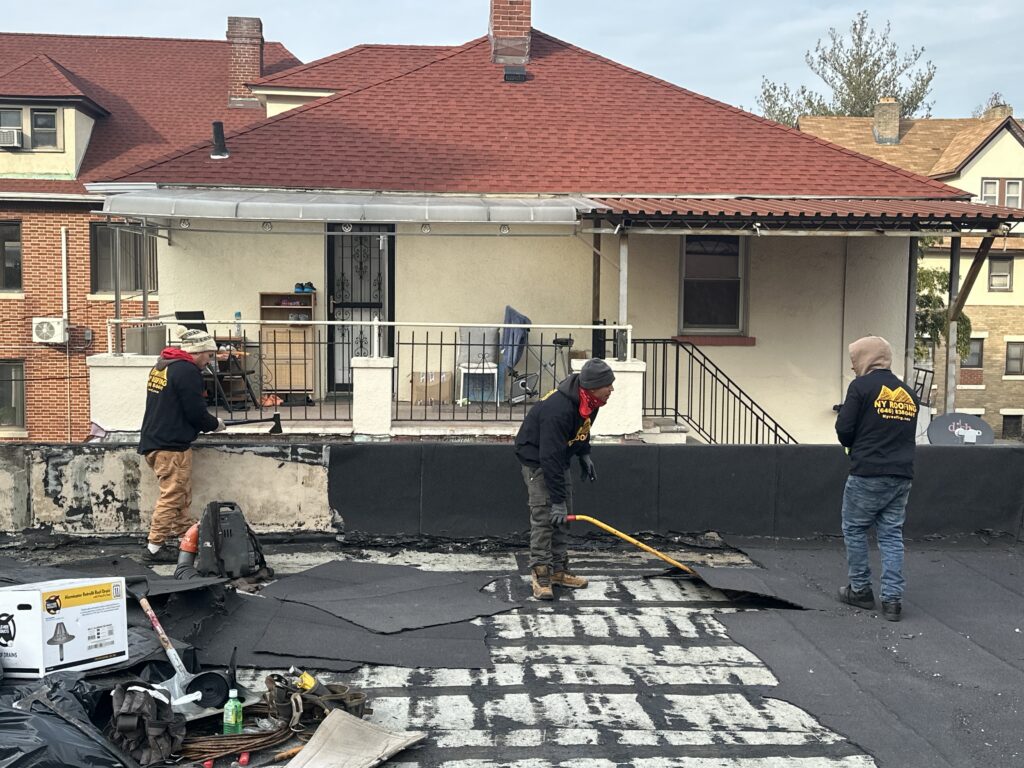
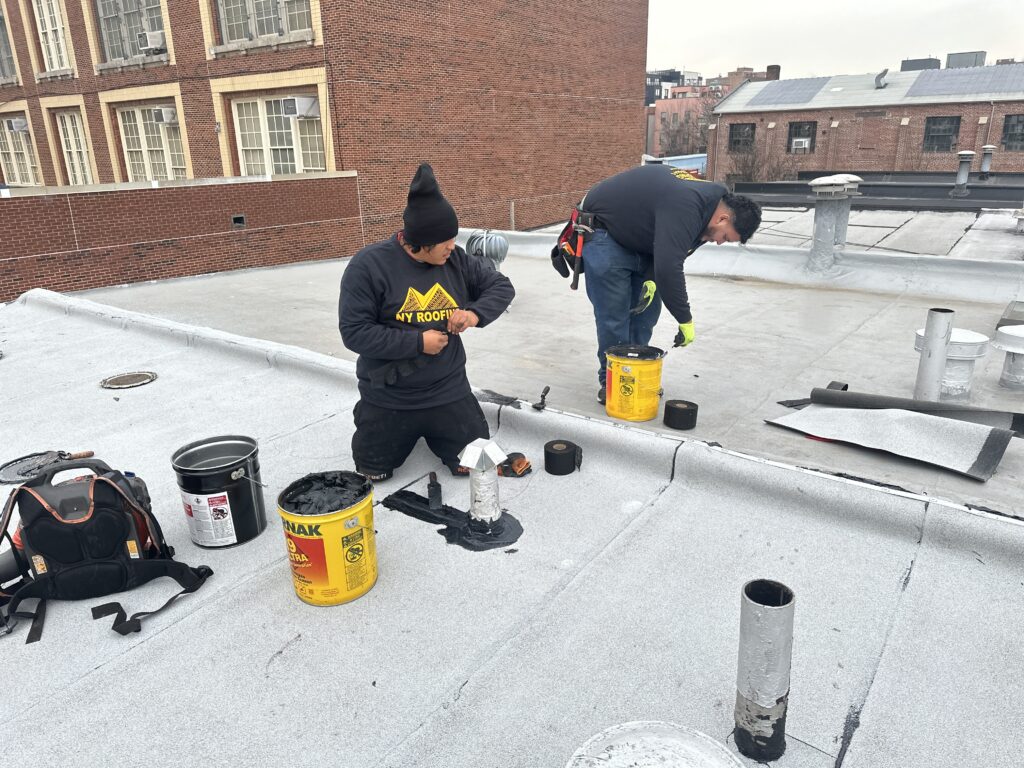
Flat roofs are a common feature across Brooklyn townhouses and brownstones. They suit the architecture and make efficient use of space. Many homeowners even use them for seating or utility setups. But like any roofing system, they do not last forever. At some point, repair is no longer enough, and replacement becomes necessary. One of the first questions homeowners ask is simple. How much will it cost? The answer is not always straightforward. Flat roof replacement cost in Brooklyn can vary based on several factors, including roof size, material choice, and existing damage. Understanding what goes into the cost can help you plan better and avoid unexpected expenses. This guide breaks it down in a practical way so you know what to expect before starting your project. Average Flat Roof Replacement Cost in Brooklyn In Brooklyn, the cost of replacing a flat roof typically ranges between $8 to $18 per square foot. For an average townhouse, this can bring the total cost somewhere between $8,000 and $25,000 or more. The variation depends on the structure and the type of roofing system used. A simple replacement on a smaller roof will cost less, while larger or more complex roofs require more labor and materials. It is important to understand that cheaper is not always better. A poorly installed roof can lead to frequent repairs, which increases long term costs. What Influences the Cost of Flat Roof Replacement Several factors affect how much you will pay for a new flat roof in Brooklyn. These are not always obvious at first, but they play a major role in the final estimate. Roof Size and Layout The larger the roof, the higher the cost. But it is not just about size. The layout also matters. Roofs with multiple sections, obstacles, or limited access can require more labor. Brooklyn properties often have tight spaces and shared walls, which can make installation more complex. Choice of Roofing Material Different materials come with different price points and lifespans. EPDM is one of the more affordable options and is known for durability. TPO is slightly more expensive but offers better energy efficiency. Modified bitumen is another common choice that balances cost and performance. Each material has its own benefits, so the right choice depends on your priorities. Condition of the Existing Roof If your current roof has structural damage, the cost will increase. Contractors may need to replace the decking or fix underlying issues before installing the new system. Water damage, mold, or rot can add to both time and expense. Labor and Installation Complexity Labor costs in Brooklyn are generally higher than in many other areas. Skilled roofing professionals are essential for proper installation, especially for flat roofs. If your building has limited access or requires special equipment, labor costs can increase further. Permits and Local Regulations In Brooklyn, permits are often required for roof replacement. These costs are usually included in contractor estimates, but it is always good to confirm. Compliance with building codes ensures safety and avoids legal issues later. Material Cost Breakdown Understanding material options helps you make an informed decision. EPDM roofing is often chosen for its affordability and durability. It performs well in varying weather conditions and can last up to 25 years with proper care. TPO roofing has gained popularity for its energy efficiency. It reflects sunlight, which can help reduce cooling costs during summer. Modified bitumen is known for its strength and resistance to wear. It works well for roofs that experience regular foot traffic. Additional Costs to Keep in Mind Roof replacement is not just about installing new material. There are other costs that homeowners should be aware of. Removing the old roof is one of them. This process involves labor and disposal fees. Insulation upgrades may also be required, especially if your current system is outdated. Better insulation can improve energy efficiency and reduce utility bills. Drainage improvements are another factor. Flat roofs depend on proper drainage, and upgrading this system can prevent future problems. How to Save Money Without Cutting Corners Replacing a flat roof is a significant investment, but there are ways to manage costs without compromising quality. Planning your project during off peak seasons can sometimes reduce labor costs. Roofing demand tends to be lower during colder months. Regular maintenance can also delay the need for replacement. Addressing small issues early helps extend the life of your roof. Most importantly, choose a contractor with experience in flat roofing systems. A well installed roof reduces the need for future repairs. When Is the Right Time to Replace Your Flat Roof Timing matters when it comes to roof replacement. Waiting too long can lead to structural damage, which increases costs. Signs that indicate it may be time for replacement include frequent leaks, visible cracks, and aging materials. If your roof is over 20 years old, it is worth getting a professional inspection. If you are unsure about the current condition of your roof, speaking directly with a roofing expert can help you make an informed decision. You can also call (646) 838-0441 to discuss your situation and understand your options. Long Term Value of Flat Roof Replacement While the upfront cost may seem high, a new flat roof offers long term benefits. It improves the overall value of your property. It also enhances energy efficiency, especially when modern materials are used. A new roof provides peace of mind. You do not have to worry about recurring leaks or unexpected repairs. Conclusion Flat roof replacement cost in Brooklyn depends on several factors, but understanding them helps you make better decisions. From material selection to labor and structural condition, each element plays a role in the final price. Instead of focusing only on cost, it is important to think about value. A properly installed roof protects your home and reduces future expenses. If you are planning a flat roof replacement or want a professional assessment, now is the right time to act. Speak with an expert, get a

Flat Roof Replacement Cost in Brooklyn: What to Expect Read More »
How Often Should You Replace Your Roof in New York?

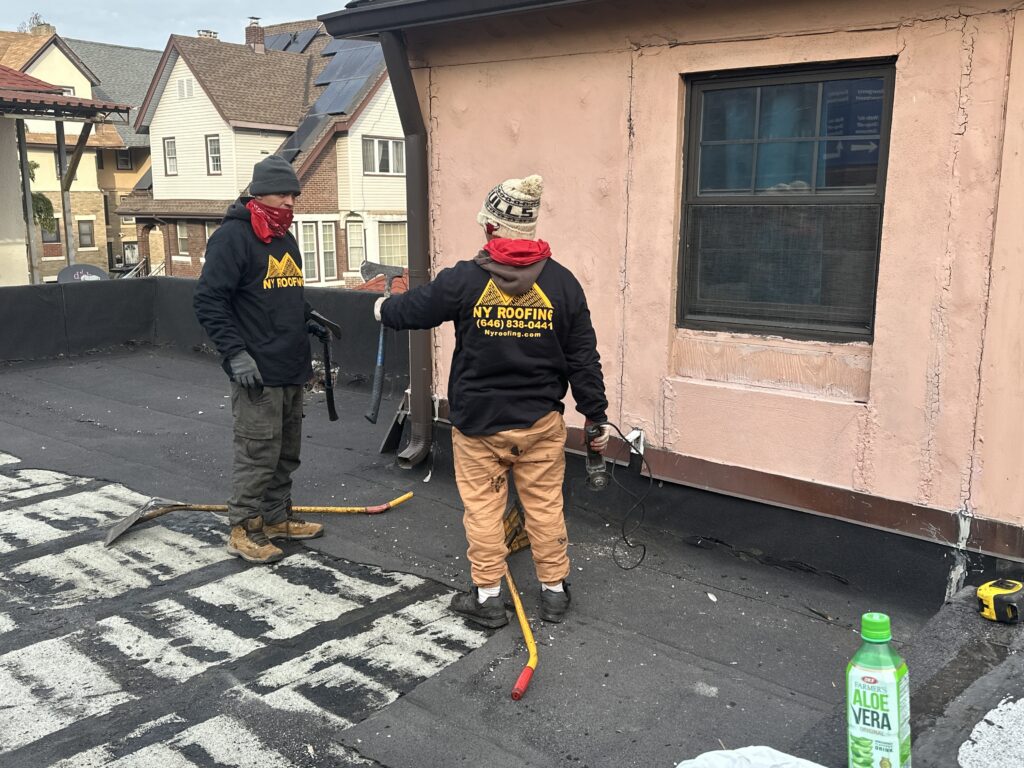
Roofs are designed to protect homes and buildings from the elements, but like any part of a structure, they do not last forever. In New York, where weather conditions range from freezing winters and snowstorms to humid summers and heavy rain, roofing systems face constant stress. Over time, even the most durable roofing materials begin to wear down. Many homeowners wonder how often they should replace their roof in New York. The answer depends on several factors, including the type of roofing material, the quality of installation, the level of maintenance, and the specific weather conditions the roof has experienced. Understanding these factors can help property owners plan for roof replacement before serious problems develop. Replacing a roof at the right time not only protects the building but also prevents expensive interior damage and structural issues. Why Roof Lifespan Varies in New York New York’s climate plays a major role in determining how long a roof lasts. The city experiences dramatic seasonal shifts, which can affect roofing materials in several ways. During winter, snow accumulation and freezing temperatures create conditions that can weaken roofing materials. As snow melts and refreezes, water can seep into small cracks and expand when frozen. This freeze–thaw cycle gradually damages shingles, flashing, and membranes. Spring and summer bring heavy rainstorms and humidity. Prolonged moisture exposure can cause roofing materials to deteriorate or lose their protective layers. Strong winds during storms can also loosen shingles or damage flashing. Because of these weather patterns, roofs in New York often require more frequent inspections and maintenance compared to regions with milder climates. Average Lifespan of Common Roofing Materials The lifespan of a roof largely depends on the material used. Different roofing systems respond differently to New York’s climate conditions. Asphalt shingles are among the most common roofing materials used in residential properties. When properly installed and maintained, asphalt shingle roofs can last around twenty to thirty years. However, severe weather or poor ventilation may shorten their lifespan. Flat roofing systems are widely used on multi-family buildings and commercial properties throughout New York City. Materials such as EPDM rubber roofing or TPO membranes typically last between twenty and thirty years when maintained properly. Clay tile roofs are known for their durability and long lifespan. In many cases, clay tile roofing can last more than fifty years if the structure beneath it remains strong and maintenance is performed regularly. Slate roofing is one of the most durable options available. Many historic buildings in New York still have slate roofs that have lasted for generations. With proper care, slate roofing can last seventy years or more. While these estimates provide general guidance, actual roof lifespan varies depending on installation quality, maintenance practices, and environmental conditions. Signs That Your Roof May Need Replacement Even if a roof has not yet reached the end of its expected lifespan, certain warning signs may indicate that replacement is necessary. One of the most common indicators is frequent roof leaks. When leaks occur repeatedly despite repairs, it may signal widespread deterioration within the roofing system. Another common sign is missing or curling shingles. As roofing materials age, they lose flexibility and become more vulnerable to wind damage. Curled shingles often indicate that the roof is nearing the end of its service life. Granule loss is another issue homeowners may notice with asphalt shingles. When protective granules begin to fall off, shingles lose their ability to protect the roof from UV exposure and weather. Interior signs can also indicate roof failure. Water stains on ceilings or walls, mold growth, and damp insulation often suggest that the roof is no longer providing adequate protection. Recognizing these warning signs early allows homeowners to plan for replacement before extensive damage occurs. The Importance of Regular Roof Inspections Routine roof inspections play an essential role in determining when a roof should be replaced. Many roofing problems develop gradually and may not be immediately visible from the ground. Professional inspections allow roofing contractors to assess the condition of shingles, flashing, gutters, and structural components. They can identify weak areas that may lead to leaks or deterioration. In New York, many property owners schedule roof inspections at least once a year and after severe storms. These inspections help ensure that small issues are addressed before they develop into larger problems requiring complete replacement. Regular inspections also provide homeowners with a clearer understanding of how much life remains in their current roofing system. Repair vs Replacement: How to Decide Homeowners often face the question of whether a roof should be repaired or replaced. Minor damage, such as a few missing shingles or small leaks, can often be repaired effectively. However, if the roof has widespread damage or is nearing the end of its lifespan, replacement may be the better long-term solution. Frequent repairs can become costly over time. In some cases, investing in a full roof replacement provides better value by eliminating recurring issues and improving overall energy efficiency. A professional roofing assessment can help determine the most practical approach for a specific property. How Proper Maintenance Extends Roof Life While roofs eventually require replacement, regular maintenance can significantly extend their lifespan. Keeping gutters clean, removing debris from the roof surface, and repairing small issues promptly can help preserve roofing materials. Proper ventilation is another important factor. Without adequate ventilation, heat and moisture can accumulate in the attic, accelerating roof deterioration. Preventive maintenance reduces the likelihood of major damage and ensures that roofing systems perform effectively throughout their intended lifespan. Planning Ahead for Roof Replacement Replacing a roof is a major investment, but planning ahead can make the process easier and more cost-effective. Homeowners who monitor the condition of their roof and schedule regular inspections can better anticipate when replacement may be necessary. Working with experienced roofing professionals helps ensure that the replacement process is completed correctly and that the new roofing system is suited to New York’s climate. By taking a proactive approach, property owners can protect their investment and maintain the

How Often Should You Replace Your Roof in New York? Read More »

Roof Repair 2 - NY Roofing

How to Prepare Your Roof for Spring in NYC: Inspection & Repair Checklist

Spring in New York City brings longer days, warmer temperatures, and a welcome break from harsh winter conditions. However, the transition from winter to spring can reveal hidden roofing issues that developed during months of snow, ice, and freezing temperatures. For homeowners and property managers, preparing a roof for spring is one of the most important steps in preventing leaks and structural damage. A thorough roof inspection in NYC at the start of spring helps identify winter-related wear before spring rainstorms arrive. Snow accumulation, freeze thaw cycles, and wind exposure often weaken roofing materials without obvious signs from the ground. Addressing these issues early helps extend roof lifespan and reduces the likelihood of emergency repairs later in the year. This guide explains why spring roof preparation matters in NYC, what to look for during an inspection, and how proactive repairs can protect your property throughout the season. Why Spring Is the Ideal Time for Roof Inspection in NYC Winter weather in NYC is particularly demanding on roofing systems. Snow and ice accumulate on roof surfaces, and as temperatures fluctuate, water seeps into small cracks and freezes again. This process gradually widens gaps in roofing materials, flashing, and seams. By the time spring arrives, these vulnerabilities may not be visible from inside the home but can quickly lead to leaks during heavy rain. Spring provides an opportunity to evaluate roof condition after winter stress and before summer heat intensifies. A roof inspection in NYC during this season allows property owners to identify and repair damage while weather conditions are stable enough for safe and effective work. Routine spring inspections also help ensure that drainage systems are functioning properly, which is essential for handling seasonal rainstorms. How Winter Affects Roofing Systems The combination of snow, ice, and freezing temperatures can weaken roofing materials over time. As snow melts during the day and refreezes at night, water expands inside small cracks and seams. This freeze–thaw cycle gradually compromises the roof’s protective barrier. Ice dams can form along roof edges when melting snow refreezes near gutters. These dams prevent water from draining properly, forcing it beneath shingles or roofing membranes. Even after ice melts, the damage it caused may remain hidden until spring rain reveals leaks. Wind-driven snow and debris can also loosen shingles or flashing, leaving sections of the roof exposed. These issues often go unnoticed until warmer weather allows for a closer inspection. Signs Your Roof May Need Spring Repairs After winter, roofs often display subtle warning signs of damage. Water stains on ceilings, peeling paint near roof edges, or damp attic insulation may indicate that moisture has entered the roofing system. Outside, missing shingles, cracked membranes, or debris accumulation suggest that repairs may be necessary. Even if no leaks are visible, an inspection can uncover early-stage issues before they escalate. Small repairs completed in spring often prevent larger problems during summer storms. The Importance of Drainage Maintenance Proper drainage is essential for any roofing system, particularly in NYC where flat and low-slope roofs are common. Gutters, downspouts, and internal drains must remain clear to ensure water flows away from the roof efficiently. During winter, debris can accumulate in gutters and drains, restricting water flow. When spring rain arrives, blocked drainage systems can cause water to pool on the roof surface. Standing water increases the likelihood of leaks and accelerates material deterioration. Checking and clearing drainage systems as part of a spring roof inspection helps prevent these issues and ensures the roof can handle seasonal rainfall. Professional Roof Inspection vs. Visual Checks While homeowners can perform basic visual checks from the ground, professional inspections provide a more comprehensive evaluation. Experienced roofing contractors assess the condition of shingles, membranes, flashing, and structural components. They also look for signs of moisture intrusion that may not yet be visible indoors. Professional inspections often reveal small issues that can be repaired quickly and affordably. Addressing these problems early helps prevent more extensive damage later in the year. Scheduling a professional roof inspection in NYC each spring is one of the most effective ways to maintain roof performance and extend lifespan. Repairing Minor Damage Before It Worsens Spring is an ideal time to address minor roofing issues before they escalate. Loose shingles, damaged flashing, or small membrane cracks can often be repaired quickly. Completing these repairs early prevents water from entering the roofing system during spring and summer storms. Timely repairs also help maintain energy efficiency by ensuring insulation remains dry and intact. A well-maintained roof protects both the building structure and interior spaces. Preparing for the Rest of the Year A thorough spring inspection sets the stage for the rest of the year. By identifying and resolving issues early, property owners can approach the warmer months with confidence. Proper maintenance reduces the likelihood of emergency repairs and extends the life of the roofing system. In NYC, where weather conditions change rapidly, seasonal inspections play a critical role in long-term roof care. Frequently Asked Questions About Roof Inspection in NYC Why is spring a good time for roof inspection in NYC? Spring inspections help identify damage caused by winter weather and allow repairs to be completed before heavy spring and summer rains. How often should roofs be inspected in NYC? Roofs should generally be inspected at least twice a year, including once in spring and once in fall, as well as after major storms. What are common signs of roof damage after winter? Missing shingles, cracked materials, water stains inside the building, and debris buildup in gutters are common indicators of winter-related damage. Can small roof issues be repaired instead of replaced? Many minor issues can be repaired if detected early, which is why regular inspections are important for preventing larger problems. Is professional roof inspection necessary? Professional inspections provide a thorough evaluation of roofing systems and help identify issues that may not be visible during a basic visual check.

How to Prepare Your Roof for Spring in NYC: Inspection & Repair Checklist Read More »

NY Roofing- Roof Replace 01

How to Choose a Trusted Roofing Contractor in NYC for Residential & Commercial Projects

Finding a reliable roofing contractor in NYC isn’t as simple as picking the first name that appears on Google. With thousands of buildings packed into Manhattan, Brooklyn, and the Bronx—many of them decades old—roofing work in New York City demands experience, compliance knowledge, and precision. A poor roofing decision can lead to recurring leaks, failed inspections, structural damage, and thousands of dollars in avoidable repairs. Whether you’re a homeowner planning a roof replacement or a commercial property owner managing a flat roof system, choosing the right roofing contractor in NYC is one of the most important decisions you’ll make for your property. This guide walks you through what truly matters, how to spot red flags, and how to confidently hire a contractor who can handle NYC’s unique roofing challenges. Why Choosing the Right Roofing Contractor in NYC Matters NYC roofs face stress that many other cities simply don’t. Harsh winters, heavy rainfall, extreme summer heat, and constant wear from urban pollution shorten roof lifespans faster than national averages. Add local building codes, permit requirements, and strict safety regulations, and roofing in NYC becomes a highly specialized trade. A trusted roofing contractor understands these challenges and plans accordingly. They don’t just install materials—they protect your investment, ensure compliance, and deliver long-term performance. The wrong contractor, on the other hand, can leave you with code violations, water damage, and voided warranties. Residential vs Commercial Roofing: Why Experience Matters Residential and commercial roofing projects in NYC are very different, and your contractor should be equipped to handle the type of property you own. Residential roofing often involves asphalt shingles, slate, clay tile, or small flat roofs on townhomes and multi-family buildings. These projects require attention to aesthetics, neighborhood regulations, and structural integrity. Commercial roofing focuses heavily on flat roofing systems such as EPDM and other rubber membranes. These roofs must support drainage systems, HVAC units, foot traffic, and long-term maintenance plans. A contractor without commercial experience may overlook critical performance factors. A trusted roofing contractor in NYC should clearly demonstrate experience in both residential and commercial environments—or specialize honestly in one without overpromising. Licensing, Insurance, and NYC Compliance One of the biggest mistakes property owners make is hiring an unlicensed or underinsured roofer. In NYC, roofing contractors must comply with city and state regulations to legally operate. A reputable roofing contractor should carry valid licensing, general liability insurance, and workers’ compensation coverage. This protects you from liability if an accident occurs on your property. It also signals professionalism and accountability. Beyond insurance, NYC roofing projects often require permits and inspections. A knowledgeable contractor handles these requirements smoothly, ensuring your project doesn’t face delays, fines, or stop-work orders. Local NYC Experience Is Non-Negotiable Roofing in NYC is not the same as roofing in suburban or rural areas. Older buildings, limited access points, rooftop equipment, and neighboring structures all impact how roofing work is performed. A contractor with deep NYC experience understands borough-specific challenges. Manhattan projects often involve tight spaces and complex logistics. Brooklyn properties may include older flat roofs with hidden damage. Bronx buildings frequently require structural evaluations before work begins. When choosing a roofing contractor in NYC, local experience isn’t a bonus—it’s essential. Transparency in Estimates and Roofing Proposals A trustworthy roofing contractor provides detailed, transparent estimates. You should understand what materials will be used, how long the project will take, and what the warranty includes. Vague quotes or unusually low pricing are warning signs. In many cases, low bids lead to shortcuts, inferior materials, or surprise charges later. A professional contractor explains costs clearly and sets realistic expectations from day one. Clear communication builds trust and prevents misunderstandings during the project. Warranties, Materials, and Long-Term Value Roofing is a long-term investment, and warranties matter. A reliable roofing contractor in NYC will explain both manufacturer warranties and workmanship guarantees. Material quality is equally important. Contractors should recommend roofing systems based on your building type, budget, and performance needs—not just what’s cheapest or easiest to install. When a contractor focuses on long-term value rather than short-term savings, it shows they care about your property’s future, not just closing the job. Reviews, Reputation, and Proven Results Online reviews, testimonials, and referrals remain one of the most powerful ways to evaluate a roofing contractor. Consistent feedback from NYC property owners indicates reliability and professionalism. Look beyond star ratings. Pay attention to how contractors respond to concerns, how they handle delays, and whether customers mention long-term satisfaction after the project is complete. A strong reputation across residential and commercial projects is a clear sign of trustworthiness. Communication and Project Management Roofing projects in NYC require coordination, especially in commercial settings. A trusted contractor communicates clearly, provides timelines, and keeps you informed throughout the process. Poor communication often leads to delays, cost overruns, and frustration. The right contractor assigns a dedicated point of contact and treats your project with structure and accountability. Red Flags to Watch Out For Be cautious if a contractor pressures you to sign immediately, demands full payment upfront, or refuses to provide documentation. These behaviours often indicate unreliable or inexperienced operators. Professional roofing contractors welcome questions, provide proof of credentials, and respect your decision-making process. Making the Final Decision Choosing a roofing contractor in NYC comes down to trust, experience, and transparency. The right contractor understands your building, respects local regulations, communicates clearly, and delivers lasting results. When you invest time in selecting the right professional, you protect your property, avoid costly repairs, and gain peace of mind. If you want to know more about NY Roofing or need expert guidance for your residential or commercial roofing project in NYC, give us a call at (646) 838-0441. Our team will be happy to help you make the right roofing decision. Frequently Asked Questions About Roofing Contractors in NYC How do I verify a roofing contractor in NYC? You can verify a roofing contractor in NYC by checking their licensing, insurance coverage, local experience, and customer reviews. A trusted contractor will always provide documentation

How to Choose a Trusted Roofing Contractor in NYC for Residential & Commercial Projects Read More »

NY Roofing- Roof Replacement 01

Signs Your NYC Home Needs Roof Replacement (Before Leaks Start)

For many NYC homeowners, roof problems only become a priority once water starts dripping from the ceiling. By that point, the damage is already extensive. In reality, roofs often show warning signs years before leaks appear. Recognizing these signs early can help you plan a roof replacement on your terms rather than dealing with emergency repairs and costly interior damage. Roof replacement in NYC is a significant investment, but delaying it too long can lead to higher expenses, structural issues, and even safety risks. With the city’s unique weather patterns, aging buildings, and dense urban environment, residential roofs in New York face challenges unlike anywhere else. This guide explains the most common signs your NYC home may need roof replacement, why these issues occur, and how addressing them early protects your property and long-term value. Why Roof Replacement Timing Matters in NYC NYC homes endure extreme conditions year-round. Summer heat causes roofing materials to expand, while winter freeze–thaw cycles force them to contract. Heavy rain, snow accumulation, and high winds accelerate wear and tear. Over time, even well-installed roofs lose their ability to protect the home effectively. Replacing a roof before major failure allows homeowners to avoid emergency situations, preserve structural integrity, and maintain energy efficiency. Waiting until leaks appear often means dealing with mold, damaged insulation, and compromised framing. Roof replacement is not just about fixing what’s broken it’s about preventing what’s coming next. Aging Roofing Materials Are a Major Warning Sign One of the clearest indicators that roof replacement may be needed is age. Most residential roofing systems have a defined lifespan. Asphalt shingles, flat roofing membranes, and other materials gradually degrade even if they appear intact from the ground. In NYC, roofing systems often age faster due to constant exposure to harsh weather and urban pollutants. If your roof is approaching or has exceeded its expected lifespan, it may no longer provide reliable protection even without visible leaks. Older roofs are far more likely to fail suddenly during storms or extreme weather events. Curling, Cracking, or Missing Roofing Materials Visible deterioration is another strong sign that roof replacement may be necessary. Shingles that curl, crack, or detach indicate that materials are losing flexibility and strength. On flat roofs, membrane cracks, blisters, or seams pulling apart suggest advanced wear. These issues allow moisture to penetrate beneath the surface, even if water hasn’t yet entered the home. Once roofing materials reach this stage, repairs often provide only temporary relief. Replacement becomes the more reliable long-term solution. Repeated Roof Repairs With No Lasting Results If your roof has required frequent repairs over the years, this is often a sign that the system as a whole is failing. While isolated repairs are normal, repeated issues in different areas indicate widespread deterioration. In NYC homes, recurring roof problems are common in older buildings where materials have reached the end of their useful life. At a certain point, ongoing repairs cost more than replacing the roof entirely. Roof replacement eliminates recurring issues and restores full protection to the home. Sagging Rooflines or Structural Changes A sagging roofline is a serious warning sign that should never be ignored. This often indicates underlying structural issues caused by prolonged moisture exposure or weakened support components. In NYC’s older residential buildings, hidden water damage can slowly compromise roof decking and framing. By the time sagging becomes visible, significant deterioration has already occurred. Roof replacement, combined with structural repairs if needed, is critical to restoring safety and stability. Rising Energy Bills and Poor Insulation Performance Many homeowners don’t realize their roof plays a major role in energy efficiency. An aging or failing roof allows heat to escape in winter and enter in summer, forcing HVAC systems to work harder. If your energy bills have increased without explanation, your roof may no longer be providing adequate insulation. Roof replacement in NYC often includes upgrading insulation to meet modern energy standards, improving comfort and reducing monthly costs. Energy inefficiency is often an early indicator of roof failure. Water Stains and Moisture Without Active Leaks Even before leaks become obvious, subtle signs of moisture may appear inside the home. Discoloration on ceilings, walls, or attic surfaces suggests water intrusion somewhere within the roofing system. These signs indicate that the roof is no longer fully watertight. Left unaddressed, moisture spreads quickly and leads to mold growth and structural damage. Replacing the roof before active leaks develop prevents more serious problems. Storm Damage and Weather-Related Wear NYC storms place immense stress on residential roofs. High winds lift materials, heavy rain exploits weak points, and snow accumulation adds weight and moisture. After major storms, homeowners should assess whether the roof has suffered damage that compromises its integrity. In many cases, storm damage accelerates the need for roof replacement, especially on older systems. Proactive replacement after storm-related wear can prevent emergency situations later. Roofing Materials No Longer Meet Modern Standards Building codes and roofing technology have evolved significantly. Older roofs may not meet current safety, energy, or performance standards. Roof replacement allows homeowners to upgrade materials, improve drainage, and enhance overall protection. Modern roofing systems are designed to perform better in NYC’s demanding environment. When Roof Replacement Is the Smarter Choice While repairs can extend roof life temporarily, there comes a point where replacement offers greater reliability and value. Choosing roof replacement in NYC before leaks start allows homeowners to plan, budget, and avoid disruption. A professional inspection helps determine whether replacement is the best option based on roof condition, age, and performance. If you want to know more about NY Roofing or need expert guidance for your residential or commercial roofing project in NYC, give us a call at (646) 838-0441. Our team will be happy to help you make the right roofing decision. Frequently Asked Questions About Roof Replacement in NYC How do I know if my NYC home needs roof replacement? Signs include aging materials, recurring repairs, sagging rooflines, rising energy bills, and visible wear even if leaks haven’t started yet.

Signs Your NYC Home Needs Roof Replacement (Before Leaks Start) Read More »

How Often Should You Replace a Roof in NYC? A Borough-by-Borough Guide

Replacing a roof is one of the biggest investments a homeowner can make and in New York City, knowing when to replace your roof is just as important as knowing how. NYC’s unique climate, dense building styles, and aging housing stock mean roofs here often face more stress than in other parts of the country. From flat roofs in Queens and Brooklyn to pitched shingle roofs in Staten Island and Long Island, roof lifespan varies widely depending on materials, weather exposure, and maintenance. At NY Roofing, we help homeowners across all five boroughs make informed decisions about roof replacement before small issues turn into major expenses. This guide breaks down how often you should replace a roof in NYC, what affects roof longevity, and how replacement timelines differ by borough. 1. Average Roof Lifespan in NYC (By Roofing Material) The most important factor in determining when a roof should be replaced is the material used. Asphalt Shingle Roofs Average lifespan: 20–25 years Common in: Queens, Staten Island, Long Island Vulnerable to: Wind damage, UV exposure, moisture buildup Shingle roofs are affordable and reliable, but NYC’s freeze thaw cycles can shorten their lifespan without proper ventilation. Flat Roofs (EPDM, TPO, Modified Bitumen) Average lifespan: 20–30 years Common in: Brooklyn, Bronx, Manhattan, Queens Vulnerable to: Ponding water, membrane shrinkage, seam failure Flat roofs require more frequent inspections but can last longer when properly maintained. Metal Roofing Average lifespan: 40–70 years Less common but growing in popularity Resistant to extreme weather Slate & Tile Roofing Average lifespan: 50–100 years Found in historic NYC neighborhoods Requires specialized maintenance 2. How NYC Weather Impacts Roof Longevity NYC’s climate plays a major role in roof wear and tear. Winter Damage Snow buildup adds structural weight Ice dams force water under shingles Flashing becomes brittle and cracks Summer Heat UV rays dry out roofing materials Flat roof membranes expand and contract Higher cooling costs due to heat absorption Storms & High Winds Blow off shingles Tear flat roof membranes Damage flashing and roof edges These conditions mean NYC roofs often need replacement sooner than national averages. 3. Borough-by-Borough Roof Replacement Timeline Queens Mix of flat and shingle roofs Average replacement timeline: 20–25 years Common issues: flashing leaks, poor drainage on flat roofs Brooklyn Many brownstones and multi-family buildings Flat roofs dominate Replacement timeline: 20–30 years Bronx Older structures Higher moisture exposure Replacement often needed sooner if maintenance is neglected Manhattan High-rise buildings Strict building codes Replacement timelines vary but inspections are more frequent Staten Island & Long Island More pitched shingle roofs Longer lifespans with good ventilation Average: 25+ years 4. Warning Signs Your Roof Needs Replacement Even if your roof hasn’t reached its expected lifespan, these signs indicate replacement may be necessary: Frequent roof leaks Sagging roof deck Missing or curling shingles Flat roof ponding water Rising energy bills Mold or mildew in attic spaces Repairs becoming more frequent than replacement cost If you’re calling for roof repairs every year, replacement is usually the smarter long-term decision. 5. Repair vs Replacement: How to Decide Roof Repair Is Best When: Damage is localized Roof is under 15 years old No structural issues exist Roof Replacement Is Best When: Roof is near end-of-life Leaks are widespread Structural components are compromised Energy efficiency is poor A professional roof inspection helps determine the right choice. 6. Why Timely Roof Replacement Saves Money Delaying roof replacement can lead to: Interior water damage Mold growth Insulation failure Higher heating and cooling costs Structural repairs Replacing your roof at the right time protects your home’s value and prevents emergency expenses. 7. When Should You Schedule a Roof Inspection in NYC? You should schedule an inspection if: Your roof is 15+ years old After major storms Before buying or selling a home Energy bills increase unexpectedly You notice leaks or stains At NY Roofing, inspections provide clear, honest recommendations not pressure. Conclusion Knowing when to replace your roof is critical for protecting your NYC home from costly damage. By understanding material lifespan, borough-specific challenges, and early warning signs, homeowners can plan roof replacement at the right time — not during an emergency. At NY Roofing, we help NYC homeowners make confident, informed roofing decisions with expert inspections, transparent pricing, and durable replacement solutions designed for New York’s demanding climate. Roof Replacement FAQs for NYC Homeowners How often should a roof be replaced in NYC? Most roofs in NYC should be replaced every 20–30 years, depending on materials, maintenance, and weather exposure. Do flat roofs last longer than shingle roofs? Flat roofs can last longer if properly maintained, but they require more frequent inspections. Can roof replacement be done year-round in NYC? Yes. Roof replacement can be done year-round, though spring through fall offers ideal conditions. Is roof replacement covered by insurance? Insurance may cover storm-related damage, but normal wear and tear is typically not covered.

How Often Should You Replace a Roof in NYC? A Borough-by-Borough Guide Read More »

Roof Inspection Checklist: What NYC Homeowners Should Expect from a Professional Roofer

Your roof is one of the most important parts of your home, yet it’s often the most overlooked until a leak appears. In New York City, where buildings face harsh winters, heavy rain, strong winds, and extreme summer heat, regular roof inspections are essential for preventing costly damage. At NY Roofing, we provide professional roof inspections across Queens, Brooklyn, Bronx, Manhattan, and Staten Island. Whether you’re maintaining an existing roof, buying a home, or dealing with storm damage, knowing what a proper roof inspection includes helps you make informed decisions and protect your investment. This checklist explains exactly what NYC homeowners should expect from a professional roofing inspection. 1. Why Roof Inspections Are Especially Important in NYC NYC roofs experience more stress than many other regions due to: Freeze–thaw cycles in winter Heavy snow accumulation High humidity in summer Strong coastal winds Flat and low-slope roof designs Older building structures Without routine inspections, small issues like cracked flashing or loose shingles can turn into major structural damage. 2. Exterior Roof Inspection Checklist A professional roofer begins by inspecting the roof’s exterior condition. a. Shingles or Roofing Surface Inspectors check for: Missing or cracked shingles Curling or blistering Granule loss Uneven wear On flat roofs, they inspect membranes for: Tears or punctures Seam separation Bubbling or lifting b. Flashing & Penetrations Flashing around chimneys, vents, skylights, and pipes is one of the most common leak sources in NYC homes. Roofers look for: Rusted metal Loose seals Cracks Improper installation c. Gutters & Drainage Proper drainage is critical—especially for flat roofs. Inspectors check: Clogged gutters Improper slope Downspout blockages Ponding water areas 3. Interior Inspection Checklist Roof inspections don’t stop outside. Interior signs often reveal hidden damage. a. Attic & Ceiling Areas Roofers look for: Water stains Mold or mildew Damp insulation Wood rot Sagging roof decking b. Ventilation & Insulation Poor ventilation causes moisture buildup and ice dams in winter. Inspectors evaluate: Attic airflow Exhaust vents Insulation condition Heat loss issues 4. Flat Roof Inspection (Common in NYC Buildings) Flat roofs require specialized inspection techniques. Professionals check for: Ponding water Drain blockages Membrane shrinkage Cracked seams Improper slope Rooftop equipment damage Flat roofs should be inspected twice per year and after major storms. 5. When Should NYC Homeowners Schedule a Roof Inspection? You should schedule a roof inspection if: Your roof is 10+ years old You notice leaks or stains After heavy storms Before buying or selling a home Energy bills increase unexpectedly Shingles appear damaged Flat roof shows pooling water Preventive inspections save thousands in repairs. 6. What Happens After the Inspection? A professional roofer provides: A detailed inspection report Photos of problem areas Repair vs replacement recommendations Cost estimates Maintenance suggestions At NY Roofing, we explain findings clearly no pressure, no hidden agendas. Conclusion Regular roof inspections are one of the smartest investments NYC homeowners can make. By identifying issues early, you protect your home, save money, and avoid emergency repairs. NY Roofing provides thorough, honest roof inspections across Queens and NYC helping homeowners stay ahead of costly problems. Want to know more about NY Roofing, give us a call (646) 838-0441 Roof Inspection FAQs How often should I get my roof inspected in NYC? At least once a year, and after major storms. Flat roofs should be inspected twice yearly. How long does a roof inspection take? Most inspections take 30–60 minutes depending on roof size and complexity. Can a roof inspection prevent roof replacement? Yes. Early detection allows repairs that can extend roof lifespan significantly.

Roof Inspection Checklist: What NYC Homeowners Should Expect from a Professional Roofer Read More »

5 Warning Signs You Need Roof Repair: A Homeowner’s Guide for Queens & Brooklyn

Your roof is your home’s first line of defense against New York’s harsh winters, intense summer heat, and unpredictable storms. Over time, even the strongest roofs develop issues that require attention — and ignoring them can lead to expensive repairs or full roof replacement. If you live in Queens or Brooklyn, here are the top signs it’s time to schedule professional roof repair before the damage spreads. 1. Visible Shingle Damage Shingles protect your roof from water, wind, and UV damage. Over time, they can crack, curl, loosen, or blow off completely. Common causes in Queens & Brooklyn include: Strong ocean winds Heavy snow Summer heatwaves Falling branches Aging materials Missing shingles always require immediate repair, or water will seep beneath the surface. Learn more about our roof repair Queens services. 2. Roof Leaks or Water Stains Leaks usually appear as: Brown ceiling stains Damp walls Mold or mildew Dripping water during storms In older Brooklyn brownstones, leaks may occur near chimneys, skylights, or valleys where water tends to pool. Small leaks → big structural problems if ignored. Prompt repair saves thousands in long-term damage. 3. Sagging Roof or Soft Spots A sagging roof deck indicates serious moisture infiltration or weakened support structures. This is one of the most critical signs, often caused by: Long-term water damage Poor ventilation Heavy snow load Rotted decking If your roof feels soft when walked on, call a professional immediately. 4. Increased Energy Bills Queens and Brooklyn homeowners often notice rising bills when: Roofing ventilation is blocked Insulation becomes saturated Air escapes through worn materials A well-maintained roof reduces heating and cooling costs. Schedule a roofing inspection to diagnose insulation issues. 5. Granules in Gutters Asphalt shingles shed granules over time. If you notice sand-like debris in your gutters, your shingles may be deteriorating. This is common in: Older roofs (15–20+ years) Roofs exposed to constant sun Homes with poor drainage Granule loss reduces shingle protection and leads to leaks. Conclusion Ignoring minor roof issues can lead to expensive, avoidable damage — especially in weather-exposed neighborhoods across Queens and Brooklyn. Recognizing early warning signs helps protect your home, improve energy efficiency, and prevent emergency repairs. At NY Roofing, we offer fast, reliable roof repair services tailored to the unique needs of NYC homes. Whether you’re dealing with leaks, missing shingles, or sagging structures, our expert team is ready to restore your roof and protect your property. Frequently Asked Questions About Roof Repair in Queens & Brooklyn What are the most common signs that I need roof repair in Queens or Brooklyn? Common signs include missing or damaged shingles, visible roof leaks, water stains on ceilings, sagging roof areas, soft spots, rising energy bills, and granule buildup in gutters. If you notice any of these, schedule a professional roof inspection immediately. Why do shingles crack or curl on homes in Queens and Brooklyn? Shingles often crack or curl due to strong coastal winds, heavy snow, summer heatwaves, aging materials, or falling branches. These conditions weaken shingles and allow water to seep underneath, increasing the risk of roof leaks. Are roof leaks in Brooklyn brownstones common? Yes. Brooklyn brownstones often experience leaks around chimneys, skylights, and roof valleys due to aging structures and areas where water tends to pool. Early repair prevents mold, rot, and expensive structural damage. What does a sagging roof mean? A sagging roof typically indicates long-term water damage, poor ventilation, rotted decking, or weakened support beams. This is a serious structural issue and requires immediate professional attention. Can roof issues cause higher energy bills? Absolutely. Damaged shingles, poor ventilation, and saturated insulation force heating and cooling systems to work harder. Repairing roofing issues in Queens and Brooklyn homes often reduces monthly energy costs. What does it mean if I find granules in my gutters? Granules in gutters indicate deteriorating asphalt shingles. This is common in aging roofs, homes with heavy sun exposure, and roofs with poor drainage. Granule loss reduces protection and increases the likelihood of leaks. How quickly should I repair a small roof leak? Small leaks should be repaired immediately. Even minor moisture infiltration can lead to mold, wood rot, structural weakening, and costly repairs. Quick action saves homeowners thousands in long-term damage. How often should roofs in NYC be inspected? Queens and Brooklyn homeowners should schedule roof inspections at least once a year, and additionally after major storms. Older homes or roofs nearing 15–20 years may require more frequent evaluations. When should missing shingles be replaced? Missing shingles should be replaced immediately. Without proper shingle coverage, water can penetrate the roofing system, leading to leaks, mold, and structural damage. Do weather conditions in NYC make roof damage more likely? Yes. NYC’s climate—harsh winters, intense summer heat, coastal winds, and frequent storms—accelerates roof wear and tear. Regular maintenance and timely repairs are essential for extending roof lifespan.

5 Warning Signs You Need Roof Repair: A Homeowner’s Guide for Queens & Brooklyn Read More »