Flat Roofing

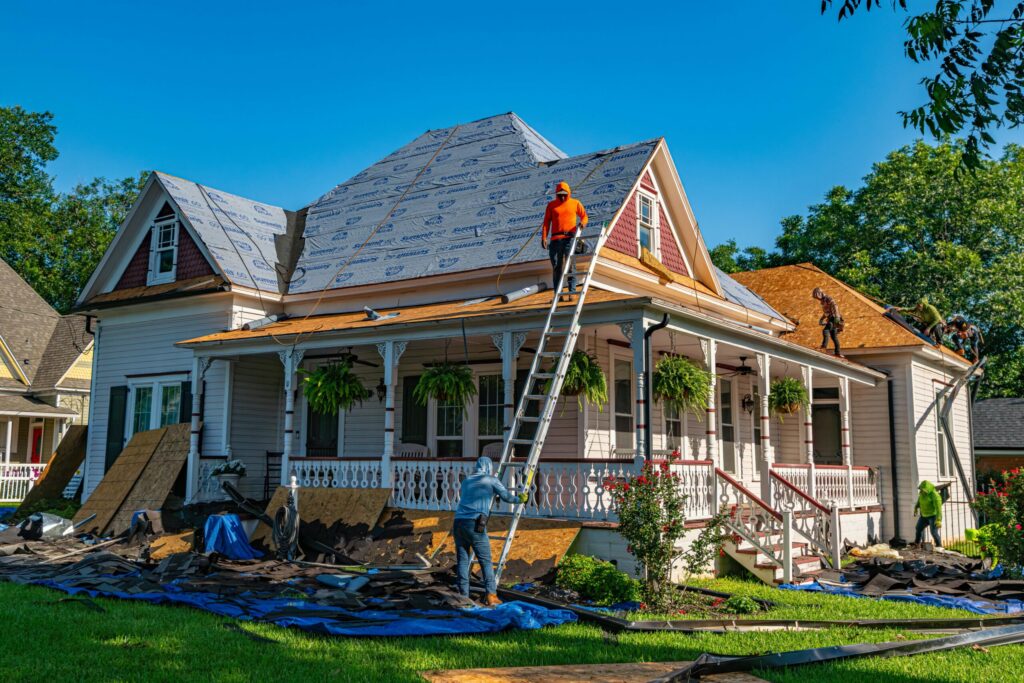
Workers are replacing the roof of a light-colored house with a wraparound porch. One worker stands on a ladder, while others work on the roof. Roofing materials and debris are scattered on the ground.

When Should You Replace Your Roof in New York City? A Complete Roof Replacement Guide (2026)

Roof replacement timing matters more in New York City than many homeowners realize. A roof that looks acceptable from the street may already be dealing with hidden water damage, worn flashing, weak decking, aging shingles, or membrane failure. In a city with dense buildings, heavy rain, snow, summer heat, coastal winds, and older roof structures, delaying replacement can quickly become expensive. Many NYC roofs fail faster than expected because they face constant weather stress, limited drainage space, rooftop equipment, foot traffic, pollution, and repair work that may not have been done correctly. When roof problems are ignored, leaks can spread into insulation, ceilings, walls, electrical areas, and structural components. This complete roof replacement NYC guide explains how long roofs usually last, how local weather affects roof life, what warning signs to watch for, when repair is still enough, when replacement is smarter, how the roofing process works, what affects cost, and how to choose the right contractor in 2026. How Long Should a Roof Last in New York City? The lifespan of a roof in New York City depends on the material, installation quality, roof slope, drainage, building height, maintenance history, and weather exposure. Some roofs last for decades with proper care, while others fail earlier because of poor installation or repeated moisture problems. A roof’s age is important, but it should never be the only factor. A 12-year-old roof with poor drainage and repeated leaks may need replacement sooner than a 20-year-old roof that has been maintained well. Professional inspection is the best way to understand real roof condition. Average Roof Lifespan in NYC by Material Asphalt shingle roofs are common on residential properties, especially in outer-borough homes. A standard asphalt shingle roof may last many years, but NYC weather can shorten its life if the roof has poor ventilation, storm damage, or repeated ice problems. Flat roofs are extremely common in NYC. EPDM, TPO, modified bitumen, and built-up roofing systems are often used on residential, multi-family, and commercial buildings. These roofs depend heavily on drainage, membrane condition, seam quality, flashing, and maintenance. Metal roofs can last longer than many traditional materials when installed correctly. They resist many weather issues, but fasteners, seams, coatings, and flashing still need inspection. Commercial roofing systems vary widely. A commercial flat roof with rooftop HVAC units, heavy foot traffic, and poor drainage may wear faster than a smaller residential flat roof with limited access. Why Roof Lifespan Varies in New York Roof lifespan varies in New York because every building faces different conditions. A taller building may experience stronger wind exposure. A row home may have shared drainage and parapet details. A brownstone may have older masonry that affects flashing. A commercial roof may have rooftop units, service paths, and equipment penetrations. Installation quality also matters. Even premium roofing materials can fail early if seams, flashing, underlayment, ventilation, or drainage are installed poorly. Maintenance frequency is another major factor. Roofs that are inspected and repaired early usually last longer than roofs that are ignored until leaks appear. How NYC Weather Impacts Roof Longevity New York City weather is tough on roofing systems. Roofs must handle cold winters, hot summers, humidity, rain, snow, wind, and sudden temperature changes. These conditions affect both sloped roofs and flat roofs. Freeze-Thaw Cycles and Moisture Damage Freeze-thaw cycles are a major reason NYC roofs age faster. Water can enter small cracks, seams, flashing gaps, or damaged shingle areas. When temperatures drop, that water freezes and expands. As it thaws and refreezes, it can widen small openings and make roof leak repair worse. Flat roofs are especially vulnerable when drainage is poor. If water sits on the roof and freezes, it can stress the membrane and surrounding details. Over time, this can lead to cracking, blistering, and hidden moisture damage. UV Exposure and Heat Island Effect NYC roofs also face strong summer heat. Dark roof surfaces can absorb heat for long periods, especially in dense neighborhoods where surrounding buildings and pavement increase temperatures. This heat can dry out materials, weaken adhesives, and speed up membrane aging. Shingle roofs can lose granules and become brittle. Flat roof membranes can expand and contract repeatedly. Over time, UV exposure and heat stress reduce flexibility and make roofing materials more likely to crack or fail. Heavy Rain, Snow Load & Coastal Winds Heavy rain tests every part of the roof system. Gutters, drains, scuppers, flashing, valleys, seams, and roof edges must all move water away properly. When drainage is blocked or undersized, water can back up and enter weak points. Snow load is another concern. While many roofs are designed for local conditions, older roofs or roofs with hidden structural damage may struggle under repeated snow and ice. Coastal winds can also lift shingles, loosen flashing, and stress roof edges, especially in exposed areas. Pollution and Airborne Debris Effects NYC roofs collect dirt, debris, soot, leaves, and airborne pollutants. Over time, debris can clog drains and hold moisture against the roof surface. On flat roofs, this can lead to ponding water and membrane damage. On shingle roofs, moisture retention can encourage staining, algae, and material breakdown. Borough-by-Borough Roof Lifespan in NYC Roof replacement timelines can vary by borough because building age, roof type, density, and exposure are different across the city. While every roof needs its own inspection, location can influence common roofing problems. Brooklyn Roof Replacement Timelines Brooklyn has many brownstones, row houses, multi-family buildings, and flat roof systems. Older buildings may have aging roof decks, parapet walls, skylights, and drainage details that require careful inspection. Brooklyn roofs often need replacement when repeated patching no longer stops leaks, when flat roof membranes become brittle, or when older flashing around parapets and roof hatches begins to fail. Manhattan Roofing Lifespan Considerations Manhattan buildings often have commercial roofing systems, rooftop equipment, high-rise exposure, and limited roof access. These roofs may experience heavy mechanical equipment wear, foot traffic, and wind stress. In Manhattan, roof replacement may be needed when the roof membrane shows widespread
When Should You Replace Your Roof in New York City? A Complete Roof Replacement Guide (2026) Read More »

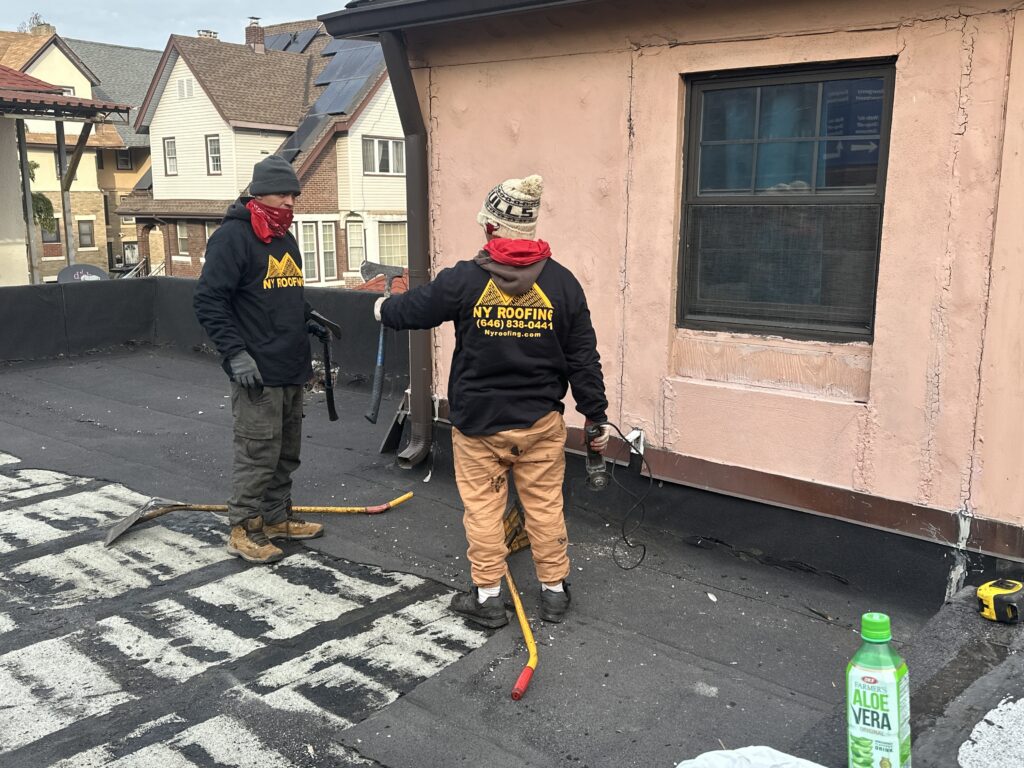
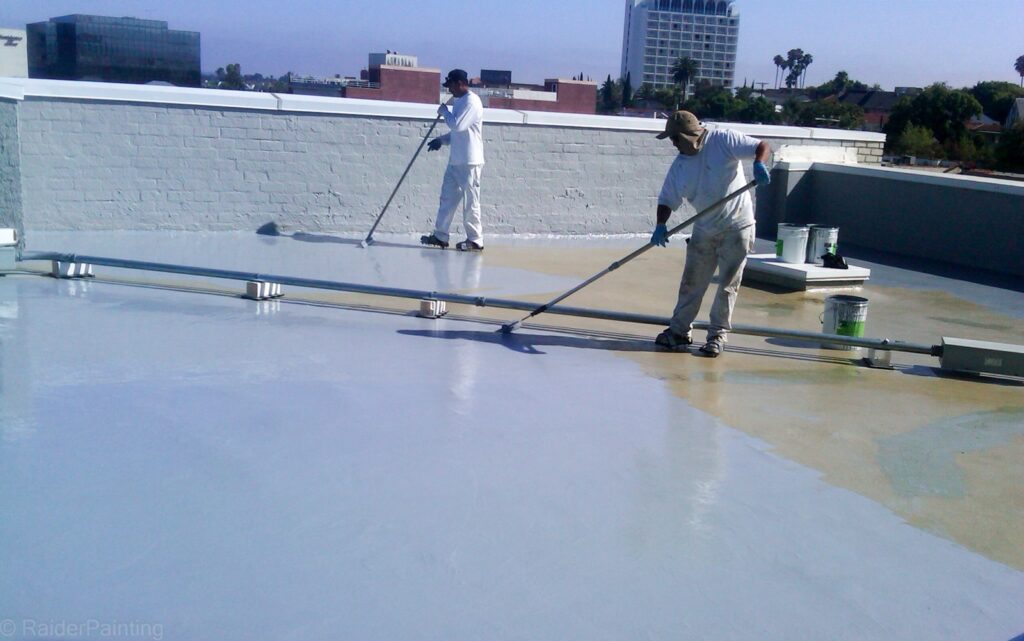
Two workers wearing hats and white clothing apply a waterproof coating to a flat rooftop using long rollers on handles. Paint cans and tools are nearby, and buildings are visible in the background under a clear sky.

NYC Roof Inspection Checklist: What Homeowners Should Expect From a Professional Roofer

A roof inspection checklist helps homeowners understand what a professional roofer looks for during a full roofing evaluation. In a city like New York, where roofs deal with heavy rain, snow, wind, summer heat, freeze-thaw cycles, and dense building conditions, regular inspections are essential for protecting your property. NYC roofs are exposed to unique challenges. Flat roofs can develop ponding water, brownstones may have aging materials, row homes often share attached roofing details, and commercial buildings may have rooftop equipment that creates extra wear. Without routine inspections, small problems can turn into leaks, mold, structural damage, and premature roof replacement. This guide is for homeowners, landlords, property managers, and building owners who want to know what to expect from a professional roof inspection. It explains when to schedule an inspection, how to prepare, what roofers check, how residential and commercial inspections differ, and when repair issues may point toward roof replacement. Why Roof Inspections Matter for NYC Homes & Buildings Roof inspections matter because many roofing problems start quietly. A small crack in flashing, a loose membrane seam, a clogged drain, or a weak shingle may not look serious at first. But after repeated rain, snow, heat, and wind exposure, that small issue can allow water to enter the roof system. NYC weather makes inspections even more important. Winter snow and ice can put stress on the roof. Spring rain can expose drainage problems. Summer heat can expand roofing materials and weaken older membranes. Strong winds can loosen flashing, shingles roof, caps, and rooftop details. Ignoring roofing inspection can become expensive. Water intrusion can damage ceilings, insulation, walls, electrical systems, and structural materials. In many cases, regular inspections help prevent emergency roof because issues are found before they spread. How Regular Roof Inspections Protect Your Home’s Health A professional roof inspection helps protect the full health of your building. Roofers do not only check the outer surface. They also look for warning signs that may affect structure, energy efficiency, indoor air quality, and long-term property value. Structural integrity is one of the biggest concerns. A sagging area, soft decking, or repeated water exposure can signal deeper roof problems. Early detection gives homeowners time to repair the issue before it becomes unsafe or more expensive. Roof inspections also support energy efficiency. Damaged insulation, hidden leaks, and poor ventilation can make heating and cooling systems work harder. Moisture and mold prevention are also major benefits because roof leaks detection often travel before they become visible inside the home. When Should You Schedule a Roof Inspection in NYC? Most NYC homeowners should schedule a professional roof inspection at least once a year. Annual inspections help track roof condition, identify wear, and plan maintenance before problems become urgent. You should also schedule an inspection after major storms. Heavy rain, wind, hail, snow, and ice can damage shingles, membranes, flashing, gutters, and roof penetrations. Even if there is no visible leak, hidden damage may still exist. A roof inspection is also important before buying or selling a home. Buyers want to understand roof condition before closing, while sellers can use inspection findings to fix issues and reduce surprises during negotiation. Another smart time to inspect is before winter and after harsh seasons. Before winter, a roofer can check drainage, flashing, seams, and weak areas. After winter, they can identify damage caused by ice, snow load, and freeze-thaw movement. How to Prepare for a Professional Roofing Inspection Preparing for a professional roofing inspection helps the roofer work more efficiently and gives you a better report. Before the appointment, make sure the roofer has access to the roof, attic, top-floor ceiling areas, and any interior locations where stains or leaks have appeared. If your building has an attic or crawl space, clear the access point. The roofer may need to check moisture levels, insulation condition, ventilation, and signs of water entry. If there are stored items blocking access, move them before the inspection. You should also remove roof obstructions when possible. Patio furniture, planters, debris, loose materials, or rooftop storage can make it harder to inspect the surface. For commercial buildings, property managers should make sure roof access doors, ladders, or hatches are available. It is also helpful to document prior roof repairs. Tell the roofer about old leaks, patched areas, roof replacement history, warranty documents, and recurring problem spots. Homeowners should ask questions about roof age, repair urgency, maintenance needs, and whether the roof shows signs of replacement. What Is a Roof Inspection Checklist? A roof inspection checklist is a structured list of items a roofer reviews during an inspection. It helps ensure that no major roofing component is missed. Instead of only looking at visible damage, a checklist guides the roofer through exterior surfaces, drainage, flashing, penetrations, interior signs, and structural warning areas. A DIY roof inspection checklist can help homeowners notice early warning signs from the ground or inside the home. However, it is not the same as a professional roof inspection. A homeowner may see a ceiling stain or missing shingle, but a roofer can trace the source, check surrounding materials, and determine whether the issue is isolated or part of a larger problem. Professionals use structured checklists because roofing systems have many connected parts. A leak may start at a vent pipe, travel along decking, and appear far away from the original entry point. A complete checklist helps roofers inspect the entire system, not just the obvious damage. Complete Roofing Inspection Checklist Used by Professionals A complete roofing inspection checklist includes exterior and interior items. The exterior inspection focuses on the visible roof surface, drainage system, flashing, penetrations, and weather exposure. The interior inspection looks for signs that water, moisture, heat, or structural stress may be affecting the building from inside. Exterior Roof Inspection Checklist During the exterior portion of a professional roof inspection, roofers check the visible condition of the roofing system. For sloped roofs, they may inspect shingles, tiles, flashing, valleys, and ridge areas. For flat roofs, they focus

NYC Roof Inspection Checklist: What Homeowners Should Expect From a Professional Roofer Read More »

Shingle Roofing-Ny Roofing

Flat Roof Ventilation Guide: How to Properly Vent Your Roof & Why It Matters

Flat roof ventilation is one of the most important parts of a healthy roofing system, yet it is often overlooked until problems begin to appear. In modern buildings, ventilation is not just about letting air move through the roof. It is about controlling moisture, managing heat, protecting insulation, and helping the roofing system perform the way it was designed to perform. A flat roof needs special attention because it does not ventilate in the same way as a pitched roof. Traditional sloped roofs often use ridge vents, soffit vents, and attic airflow to remove warm and humid air. Flat roofs usually have a lower slope, tighter assemblies, and fewer natural air movement paths. That means moisture and heat can become trapped if the roof is not planned correctly. Poor or missing ventilation can lead to condensation, mold growth, insulation damage, roof membrane issues, higher energy bills, and premature roof failure. In some buildings, it can also affect indoor comfort and air quality. This guide explains what roof ventilation is, how flat roof ventilation works, why it matters, what systems are commonly used, and how to choose the right ventilation approach for your building. What Is Roof Ventilation and How Does It Work? Roof ventilation is the controlled movement of air through or around a roofing system. Its main purpose is to remove excess heat and moisture before they can storm damage roof  the roof structure, insulation, or indoor environment. In a well-designed roofing system, ventilation helps balance air pressure and temperature. It allows stale, warm, or humid air to escape while allowing fresh air to enter from another point. This airflow helps reduce moisture buildup and keeps the roof assembly more stable throughout seasonal changes. Basic Principle of Roof Ventilation The basic idea behind roof ventilation is simple. Air needs a way to enter and a way to exit. Intake ventilation brings fresh air into the system, while exhaust ventilation removes warm, moist, or trapped air. Warm air naturally rises. When that warm air carries moisture from inside the building, it can move toward the roof. If it reaches a cooler surface inside the roof assembly, condensation may form. Over time, that moisture can soak insulation, weaken materials, and create an environment where mold can grow. Proper ventilation helps reduce this risk by moving humid air out before it settles inside the roof system. The goal is not random airflow. The goal is balanced airflow that supports the roof design without allowing water intrusion, heat loss, or structural issues. Why Flat Roof Ventilation Is Different Flat roof ventilation is different because flat roofs do not usually have the same open attic space and natural air channels found in pitched roofs. Many flat roofs are compact systems where insulation, decking, membrane, vapor control layers, and interior ceiling materials are installed close together. This tight design can make moisture control more complicated. A flat roof may not have a traditional ridge or soffit system, and airflow may not move naturally without planned vents or mechanical support. Low-slope roofs can also hold heat longer, especially in sunny climates or on buildings with dark roofing materials. Because of these challenges, flat roof ventilation must be designed around the roof type, building use, insulation method, local climate, and moisture risks. Why Flat Roof Ventilation Matters Flat roof ventilation matters because it protects the roof from problems that often start silently. Moisture, heat, and trapped air may not cause visible damage right away. But over time, they can shorten the life of the roof and increase repair costs. A well-ventilated flat roof can help prevent condensation, improve comfort, support energy efficiency, and protect important roof components from early failure. Proper flat roof ventilation helps your roof by: Reducing trapped moisture, condensation, mold risk, insulation damage, and early roof membrane failure. Supporting better indoor comfort, lowering HVAC strain, and helping the roof last longer. Moisture Control & Condensation Prevention Moisture control is one of the biggest reasons flat roof ventilation is important. Everyday building activities such as cooking, bathing, laundry, heating, and occupancy can add moisture to indoor air. In commercial buildings, moisture may also come from kitchens, mechanical rooms, manufacturing processes, or high-occupancy spaces. When warm, moist air rises and reaches a cold roof surface, condensation can form. This is especially common during colder months when indoor air is warm and roof surfaces are cooler. If the roof assembly cannot dry properly, moisture can stay trapped inside. Temperature & Heat Regulation Flat roofs can trap a lot of heat. Because they have a broad surface area exposed to the sun, they can absorb and hold heat throughout the day. Without proper ventilation or heat management, this heat can transfer into the building and make indoor spaces uncomfortable. Heat buildup can also affect roofing materials. Some roof membranes, adhesives, insulation boards, and coatings may age faster when exposed to constant high temperatures. Proper ventilation helps reduce trapped heat and supports better temperature balance. In many buildings, better heat regulation can also reduce the load on the HVAC system. When the roof does not trap as much heat, cooling systems may not need to work as hard to maintain indoor comfort. Extending Roof Lifespan A flat roof is a major investment. Ventilation helps protect that investment by reducing the conditions that cause early failure. Moisture can damage insulation, weaken roof decking, and create hidden decay. Heat can accelerate membrane aging and cause stress on materials. When moisture and heat are controlled, the roof system has a better chance of lasting closer to its expected service life. Proper flat roof ventilation can help prevent rot, blistering, insulation breakdown, mold growth, and structural deterioration. The Impact of Poor Roof Ventilation Poor roof ventilation can create several problems inside and outside the building. Some signs may appear quickly, while others develop over months or years. The most common issues include condensation, mold, premature roof failure, indoor comfort problems, and higher energy bills. Once these issues begin, they can become expensive

Flat Roof Ventilation Guide: How to Properly Vent Your Roof & Why It Matters Read More »

Workers replace the roof of a large, light-colored house with a wraparound porch; some are on ladders, while others are on the roof, surrounded by roofing materials and debris on the ground.

Flat Roof Insulation: Best Options, R-Value Requirements & Installation Tips for NYC

Flat roofs are a major part of New York City’s residential and commercial building style. From Brooklyn brownstones and multi-family buildings to office spaces, retail properties, and modern mixed-use structures, flat roofs are practical in dense urban areas because they make better use of space. They can support rooftop equipment, outdoor areas, solar panels, and other building systems. But a flat roof is only as strong as the system below the surface. Flat roof insulation plays a critical role in energy efficiency, indoor comfort, moisture control, and long-term roof performance. Without the right insulation, a building can lose heat in winter, absorb too much heat in summer, develop condensation problems, and place extra pressure on heating and cooling systems. In NYC, insulation matters even more because buildings face cold winters, humid summers, rooftop exposure, older structures, and energy code requirements. This guide explains how flat roof insulation works, what R-value means, which insulation materials are commonly used, how installation systems differ, what affects cost, and why professional installation is important for lasting results. What Is Flat Roof Insulation & Why It Matters Flat roof insulation is the thermal layer installed within a flat roofing system to reduce heat transfer between the inside and outside of a building. Its main job is to slow the movement of heat. In winter, it helps keep warm air inside. In summer, it helps reduce heat entering through the roof. A flat roof receives direct sunlight for long periods of the day. When insulation is weak or missing, heat can move through the roof assembly and make the space below uncomfortable. During winter, heat from inside the building can escape upward through the roof. This makes the heating system work harder and can increase energy use. Good insulation also helps protect the roof from moisture problems. When warm indoor air rises and reaches a cold surface within the roof assembly, condensation can form. Over time, trapped moisture can damage insulation, weaken decking, and create mold concerns. A properly designed flat roof insulation system helps reduce this risk by keeping temperatures more stable and controlling where moisture can move. How Flat Roof Insulation Works Flat roof insulation works by creating a thermal barrier. Heat naturally moves from warmer areas to cooler areas. During cold NYC winters, indoor heat tries to escape through the roof. During hot summers, outdoor heat tries to move into the building from the roof surface. Insulation slows this movement. The stronger the insulation performance, the less heat passes through the roof assembly. This helps the HVAC system maintain indoor temperature more efficiently. When the building does not lose or gain heat as quickly, heating and cooling systems do not need to work as hard. Flat roof insulation also helps reduce temperature swings inside the roof system. This is important because roofing membranes, adhesives, insulation boards, and decking can all be affected by repeated expansion, contraction, and moisture exposure. Key Benefits of Flat Roof Insulation Flat roof insulation provides several benefits for NYC property owners. It improves energy efficiency by reducing heat loss and heat gain. It also helps keep indoor spaces more comfortable throughout the year, especially rooms located directly below the roof. Another important benefit is moisture protection. When insulation is installed with proper air sealing and vapor control, it helps reduce condensation inside the roof assembly. This protects the roof deck, interior ceiling, and insulation itself. Proper insulation can also help extend the life of the roofing system. When heat and moisture are managed correctly, the roof membrane and supporting materials are less likely to experience early stress or damage. Proper flat roof insulation can help NYC buildings by: Reducing winter heat loss, limiting summer heat gain, improving indoor comfort, and lowering heating and cooling pressure. Reducing condensation risk, protecting roof materials from moisture damage, and supporting longer roof membrane and insulation lifespan. Flat Roof Insulation R-Value Requirements Explained R-value is one of the most important terms in flat roof insulation. It measures how well insulation resists heat flow. The higher the R-value, the better the insulation performs as a thermal barrier. For NYC buildings, R-value should not be guessed. Requirements can depend on the building type, project filing date, roof assembly, insulation placement, and energy compliance path. The NYC Department of Buildings states that the 2025 NYCECC applies to completed job applications filed on or after March 30, 2026, while completed applications filed on or before March 29, 2026 may continue under the 2020 NYCECC. What Is R-Value in Flat Roof Insulation? R-value measures thermal resistance. In simple words, it shows how effectively insulation slows heat movement. A low R-value allows heat to pass through more easily. A higher R-value creates stronger resistance and improves energy performance. In roofing, R-value may come from one insulation layer or several layers combined. For example, a contractor may install two layers of rigid insulation boards to reach the required performance level. This can also help reduce gaps between board joints and improve overall roof performance. R-value is not the only factor, but it is a major part of insulation planning. The material type, thickness, installation quality, air sealing, and vapor control all affect how well the final roof system performs. Recommended R-Value for Flat Roofs The recommended R-value for a flat roof depends on climate and code requirements. NYC buildings need insulation that can handle both cold weather and summer heat. For low-slope commercial roofing in New York, a PIMA 2025 fact sheet lists minimum above-deck insulation values of R-33ci for Climate Zones 4 and 5 and R-34ci for Climate Zone 6. These numbers are useful for understanding the direction of current energy requirements, but every project should still be reviewed based on its actual location, building type, roof design, and filing requirements. A professional roofer, architect, or code consultant can help confirm what applies to a specific NYC project. Residential vs Commercial Flat Roof R-Value Needs Residential and commercial flat roofs often have different insulation needs. A residential flat roof

Flat Roof Insulation: Best Options, R-Value Requirements & Installation Tips for NYC Read More »

Roof Repair 2 - NY Roofing

Common Flat Roof Problems in Brooklyn Townhouses

Flat roofs are a familiar sight across Brooklyn townhouses. They offer a practical design and make better use of space, especially in dense urban areas. Many homeowners even use them for seating or utility setups. But while flat roofs are functional, they are not without challenges. Unlike sloped roofs, flat surfaces do not allow water to run off easily. This makes them more dependent on proper installation and regular maintenance. Over time, even small issues can grow into serious problems if they are not addressed early. If you own a townhouse in Brooklyn, understanding these common flat roof problems can help you avoid unexpected repairs and protect your investment. Ponding Water and Drainage Issues One of the most common concerns with flat roofs is standing water. After rain or snow, water tends to collect instead of draining away quickly. If this water remains for more than a day or two, it begins to affect the roofing material. Ponding water weakens the surface and increases the chances of leaks. It also adds extra weight to the structure. In older Brooklyn homes, drainage systems are often not designed for current weather conditions, which makes the problem worse. Regular inspection of drains and ensuring proper slope can help prevent this issue. Even a slight improvement in drainage can make a noticeable difference. Roof Leaks and Hidden Moisture Leaks are one of the most frustrating problems for homeowners. What makes flat roof leaks difficult is that they are not always easy to trace. Water can travel beneath the surface before it becomes visible inside the house. By the time you notice a stain on your ceiling, the damage may already be significant. Common causes include worn-out materials, damaged seams, and poor sealing around roof fixtures. Brooklyn townhouses often have older roofing systems, which makes them more prone to such issues. Routine inspections can help detect weak areas before they turn into major repairs. Membrane Wear and Surface Cracks The roofing membrane is the main layer that protects your home from water. Over time, it starts to wear out due to constant exposure to sunlight and changing weather. In Brooklyn, winters can be harsh and summers can be hot. This continuous shift in temperature causes the material to expand and contract. As a result, cracks and small splits begin to appear. Even minor cracks should not be ignored. They allow moisture to enter and slowly damage the structure underneath. Timely repair can prevent larger problems later. Flashing Problems Around Roof Edges Flashing is installed around edges, vents, and chimneys to block water from entering weak points. It plays a critical role in keeping the roof sealed. With time, flashing can loosen or develop gaps. Temperature changes often cause materials to shift, which leads to small openings. Once that happens, water finds its way inside. In Brooklyn’s climate, this problem is quite common. Checking flashing during seasonal inspections can help maintain a strong seal. Blistering and Surface Bubbling Blisters appear as raised spots on the roof surface. They form when air or moisture gets trapped under the membrane. At first, they may not seem serious. But as they grow, they weaken the material. If a blister breaks open, it exposes the inner layers to water. This issue is often linked to installation quality or trapped moisture during the roofing process. Addressing it early helps maintain the integrity of the roof. Thermal Movement and Material Stress Flat roofs constantly react to temperature changes. During hot weather, materials expand. In cold weather, they contract. This repeated cycle creates stress on the structure. Over time, seams may separate and edges may start to curl. This makes the roof more vulnerable to leaks. Brooklyn experiences wide temperature variations throughout the year. Using flexible and durable materials can reduce the impact of this movement. Clogged Drains and Debris Build Up Drainage systems are essential for flat roofs. When they are blocked, water has nowhere to go. Leaves, dirt, and debris often collect on rooftops. In areas with nearby buildings and trees, this happens more frequently. If drains are not cleaned regularly, water starts to pool. Keeping drains clear is a simple step, but it plays a big role in preventing damage. Aging Roof Systems Many Brooklyn townhouses are older structures. Their roofs may have gone through years of wear without major upgrades. As materials age, they lose their strength and flexibility. This makes them more prone to cracks and leaks. In some cases, the roof may begin to sag slightly due to long-term stress. If your roof is nearing the end of its lifespan, repeated repairs may not be enough. A replacement could be a better long-term solution. Lack of Routine Maintenance One of the biggest reasons flat roof problems become serious is lack of maintenance. Many homeowners only take action when visible damage appears. Flat roofs require regular care to stay in good condition. Small issues can be fixed easily if they are found early. Ignoring them allows damage to spread. Seasonal inspections and timely repairs can extend the life of your roof and reduce overall costs. Conclusion Flat roofs are practical for Brooklyn townhouses, but they require attention and care. From ponding water to aging materials, each issue has the potential to cause serious damage if left unchecked. The good news is that most of these problems can be managed with regular inspections and timely repairs. Staying proactive helps you avoid expensive fixes and keeps your home protected. If you have noticed signs of wear on your flat roof or simply want peace of mind, now is the right time to act. Schedule a professional inspection with NY Roofing at (646) 838-0441 and make sure your Brooklyn townhouse stays protected through every season. FAQs What is the most common flat roof problem in Brooklyn townhouses? Ponding water is the most common issue. It happens when water does not drain properly and stays on the roof surface, which can lead to damage over time. How long does a flat

Common Flat Roof Problems in Brooklyn Townhouses Read More »

NY Roofing- Flat Roofing 03

Best Flat Roofing Materials for Brooklyn Properties

Flat roofs are a common feature across Brooklyn properties, from brownstones and townhouses to apartment buildings and commercial structures. While flat roofing systems offer practical advantages such as space efficiency and modern design, their performance depends heavily on the materials used. Choosing the best flat roofing materials for Brooklyn properties is not just about cost—it’s about durability, weather resistance, and long-term reliability. With New York’s changing climate, including heavy rain, snow, humidity, and temperature fluctuations, selecting the right material is essential to prevent leaks, structural issues, and premature wear. Understanding the most popular flat roofing materials and how they perform in Brooklyn conditions can help property owners make informed decisions and protect their investments. Why Material Selection Matters for Flat Roofs Flat roofs operate differently from sloped roofs, making material selection more critical. Since water does not naturally run off as quickly, flat roofing systems must rely on strong, waterproof materials to prevent moisture penetration. The right material ensures proper drainage, withstands environmental stress, and maintains structural integrity over time. In Brooklyn, where buildings often experience heavy usage and exposure to urban conditions, choosing a reliable roofing material can significantly impact long-term performance. Additionally, different materials offer varying levels of energy efficiency, maintenance requirements, and installation complexity. Selecting the right option depends on the specific needs of the property. EPDM Roofing: A Durable and Flexible Option EPDM (ethylene propylene diene monomer) is one of the most widely used flat roofing materials in Brooklyn. Known for its rubber-like composition, EPDM is highly flexible and can withstand extreme temperature changes. This flexibility makes it particularly effective in Brooklyn’s climate, where freeze-thaw cycles can cause other materials to crack. EPDM is also resistant to UV radiation and weather exposure, allowing it to maintain performance over time. Another advantage of EPDM is its ease of repair. Minor issues can often be fixed without extensive work, making it a cost-effective option for property owners. However, EPDM typically has a darker surface, which can absorb heat. While this may not be a concern for all properties, it is something to consider for buildings looking to improve energy efficiency. TPO Roofing: Energy-Efficient and Modern TPO (thermoplastic polyolefin) roofing has become increasingly popular in Brooklyn due to its energy-efficient properties. Unlike EPDM, TPO has a reflective surface that helps reduce heat absorption, making it an excellent choice for buildings looking to lower cooling costs. TPO roofing systems are known for their heat-welded seams, which create strong bonds and enhance waterproofing. This reduces the likelihood of leaks and improves overall durability. In addition to its energy efficiency, TPO is resistant to UV rays, chemicals, and environmental wear. This makes it suitable for both residential and commercial properties. While TPO offers many benefits, proper installation is crucial to ensure long-term performance. Working with experienced roofing professionals is essential when choosing this material. Modified Bitumen Roofing: Proven Performance Modified bitumen is another common flat roofing material used in Brooklyn properties. It is an asphalt-based system that has been widely used for decades and is known for its durability and reliability. This material is particularly effective for buildings that require strong waterproofing and resistance to heavy foot traffic. Modified bitumen roofs are often reinforced with layers that provide additional strength and protection. One of the key advantages of modified bitumen is its ability to handle harsh weather conditions. It performs well under both high temperatures and cold environments, making it a versatile option for Brooklyn buildings. However, modified bitumen may require more maintenance compared to newer materials. Regular inspections help ensure that the system continues to perform effectively. Comparing Flat Roofing Materials for Brooklyn Properties When evaluating the best flat roofing materials for Brooklyn properties, it is important to consider how each option performs under local conditions. EPDM stands out for its flexibility and long-term durability, making it ideal for properties that experience significant temperature changes. TPO offers energy efficiency and modern performance, making it suitable for buildings looking to reduce energy costs. Modified bitumen provides a traditional and reliable solution with strong waterproofing capabilities. It is particularly useful for buildings that require additional durability. The choice between these materials depends on factors such as building type, budget, and long-term goals. Each material offers unique benefits, and selecting the right one requires a clear understanding of the property’s needs. How Brooklyn Building Types Influence Material Choice Different building types in Brooklyn require different roofing solutions. Brownstones and townhouses often benefit from flexible materials like EPDM, which can adapt to structural changes over time. Multi-family buildings and condo complexes may prioritize durability and energy efficiency, making TPO a suitable option. Commercial properties often require materials that can withstand heavy usage and provide long-term reliability. Understanding the specific requirements of each building type helps ensure that the chosen material delivers optimal performance. Importance of Professional Installation Regardless of the material chosen, proper installation is essential for ensuring long-term performance. Even the best roofing material can fail if it is not installed correctly. Professional roofing contractors understand the unique challenges of Brooklyn properties and can ensure that the roofing system is installed to meet industry standards. Proper installation also reduces the risk of leaks, improves durability, and ensures that the roofing system performs as expected over time. Maintenance and Longevity Each flat roofing material requires regular maintenance to maintain its performance. Routine inspections help identify potential issues early and prevent costly repairs. EPDM and TPO systems are generally easier to maintain, while modified bitumen may require more frequent attention. Regardless of the material, proper maintenance is key to extending the lifespan of the roof. With the right care, flat roofing systems can provide reliable protection for many years, making them a valuable investment for Brooklyn property owners. Conclusion Choosing the best flat roofing materials for Brooklyn properties is a critical decision that impacts the durability, efficiency, and overall performance of the building. EPDM, TPO, and modified bitumen each offer unique advantages, and the right choice depends on the specific needs of the property. By

Best Flat Roofing Materials for Brooklyn Properties Read More »

Roof Repair 2 - NY Roofing

Flat Roof Maintenance Guide for Brooklyn Buildings

Flat roofs are a defining feature of many buildings across Brooklyn, including brownstones, townhouses, apartment complexes, and commercial properties. While flat roofing systems are practical and space-efficient, they require consistent maintenance to perform effectively over time. Unlike sloped roofs, flat roofs rely heavily on proper drainage and membrane integrity to prevent water accumulation and damage. Without regular upkeep, even minor issues can quickly escalate into leaks, structural problems, and costly repairs. This flat roof maintenance guide for Brooklyn buildings is designed to help property owners and managers understand how to care for their roofing systems, prevent common issues, and ensure long-term performance. Why Flat Roof Maintenance Is Essential in Brooklyn Brooklyn’s climate presents unique challenges for flat roofing systems. Seasonal weather changes, including heavy rain, snow, humidity, and temperature fluctuations, can gradually impact the condition of the roof. Flat roofs are particularly vulnerable to water pooling, which can weaken the roofing membrane over time. In addition, debris accumulation from surrounding buildings and trees can block drainage systems, leading to standing water and increased pressure on the roof surface. Regular maintenance helps address these issues before they become serious problems. It ensures that the roofing system remains functional, extends its lifespan, and reduces the likelihood of unexpected repairs. Key Areas to Focus on During Maintenance Maintaining a flat roof involves more than just occasional inspections. It requires a structured approach that focuses on the most critical components of the roofing system. The roofing membrane should be checked regularly for signs of wear, including cracks, blisters, or punctures. These issues can develop gradually due to weather exposure and aging materials. Drainage systems are another essential area to monitor. Ensuring that drains and gutters are clear allows water to flow properly and prevents pooling. Flashing around roof penetrations, such as vents and skylights, should also be inspected. Damaged or loose flashing can allow water to seep into the structure. By focusing on these key areas, property owners can maintain the integrity of their flat roofs and avoid long-term damage. Common Flat Roof Maintenance Issues in Brooklyn Buildings Flat roofs in Brooklyn buildings often face recurring issues that require regular attention. One of the most common problems is water pooling, which occurs when drainage systems are not functioning properly. Membrane damage is another frequent issue. Over time, roofing materials can develop cracks or weak spots, especially in areas exposed to constant moisture. Seam separation can also occur, particularly in older roofing systems. When seams begin to open, water can penetrate the roof and spread beneath the surface. In addition, debris accumulation can lead to blocked drainage systems, increasing the risk of water buildup and damage. Recognizing these issues early and addressing them promptly is key to maintaining a reliable roofing system. Seasonal Maintenance Tips for Brooklyn Flat Roofs Flat roof maintenance should be adjusted based on seasonal conditions. Each season presents different challenges that can impact the performance of the roofing system. After winter, it is important to inspect the roof for damage caused by snow and ice. Freeze-thaw cycles can create cracks and weaken materials. During spring and summer, maintenance should focus on clearing debris and checking for signs of wear caused by heat and UV exposure. Fall is an ideal time to prepare the roof for colder weather. Removing leaves and debris ensures that drainage systems remain clear and functional. By adapting maintenance routines to seasonal changes, property owners can ensure consistent performance throughout the year. How Regular Maintenance Extends Roof Lifespan One of the primary benefits of flat roof maintenance is extending the lifespan of the roofing system. Regular inspections and timely repairs help prevent minor issues from becoming major problems. A well-maintained roof can last significantly longer than one that is neglected. Addressing issues such as membrane damage, drainage problems, and flashing defects early helps preserve the overall structure of the roof. In addition to extending lifespan, maintenance also improves energy efficiency. A properly functioning roof helps regulate indoor temperatures and reduces energy consumption. When to Schedule Professional Maintenance While basic maintenance can be handled by property owners, professional inspections are essential for a comprehensive assessment. Roofing professionals have the expertise to identify hidden issues and recommend appropriate solutions. In Brooklyn, where many buildings have complex roofing systems, professional maintenance is particularly important. It ensures that all components of the roof are functioning properly and that any issues are addressed effectively. Scheduling professional maintenance at least once a year, along with additional inspections after major weather events, can help maintain the integrity of the roofing system. Preventing Costly Repairs Through Maintenance Preventive maintenance is one of the most effective ways to reduce long-term roofing costs. By addressing small issues early, property owners can avoid extensive repairs and potential structural damage. Routine maintenance also helps maintain the value of the property. A well-maintained roof is a key factor in overall building performance and can contribute to higher property value. Investing in regular maintenance ensures that the roofing system remains reliable and continues to provide protection for years to come. Conclusion Flat roof maintenance is essential for ensuring the long-term performance of Brooklyn buildings. With the right approach, property owners can prevent common issues, extend the lifespan of their roofing systems, and reduce the risk of costly repairs. By focusing on regular inspections, proper drainage, and timely repairs, flat roofs can continue to provide reliable protection in Brooklyn’s challenging climate. If you need professional flat roof maintenance or want to ensure your roof is in top condition, NY Roofing is here to help. Our team provides expert inspections, maintenance, and repair services tailored to Brooklyn buildings. 📞 Call us today at (646) 838-0441 to schedule a maintenance check or get a free estimate. Common Questions About Flat Roof Maintenance in Brooklyn How often should flat roofs be maintained in Brooklyn? Flat roofs should be inspected and maintained at least once a year, with additional checks after major weather events. What are the most common flat roof maintenance issues? Common issues include

Flat Roof Maintenance Guide for Brooklyn Buildings Read More »

NY Roofing- Roofing 01

Flat Roof Water Pooling Issues in Brooklyn Condo Buildings

Flat roofs are a common feature across Brooklyn condo buildings, offering practical design and efficient use of space. However, one of the most frequent and damaging issues associated with flat roofing systems is water pooling. When water accumulates and remains on the roof for extended periods, it can gradually weaken the roofing system and lead to serious structural concerns. For condo buildings in Brooklyn, where multiple units share the same roofing system, water pooling can impact not just the roof but also the interior of the building. Addressing this issue early is essential to avoid costly repairs, prevent leaks, and maintain the long-term integrity of the structure. Understanding the causes, warning signs, and solutions for flat roof water pooling can help property owners and managers take proactive steps to protect their buildings. What Is Water Pooling on Flat Roofs? Water pooling, also known as ponding water, occurs when water collects in low areas of a flat roof and does not drain properly. Unlike sloped roofs, flat roofs rely on drainage systems to remove water efficiently. When these systems fail or are insufficient, water can remain on the surface for long periods. In Brooklyn condo buildings, water pooling is often more noticeable after heavy rain or snow. If water remains on the roof for more than 48 hours, it is typically considered a problem that requires attention. While small amounts of standing water may seem harmless, prolonged exposure can accelerate the deterioration of roofing materials and increase the risk of leaks. Common Causes of Water Pooling in Brooklyn Condo Buildings Water pooling on flat roofs rarely occurs without an underlying reason. Several factors contribute to this issue, especially in older or poorly maintained buildings. One of the most common causes is improper drainage design. If the roof is not designed with adequate slope or drainage points, water will naturally collect in certain areas. Another factor is clogged drains and gutters. Debris such as leaves, dirt, and other materials can block drainage systems, preventing water from flowing off the roof. Structural settling can also play a role. Over time, buildings may shift slightly, creating low spots where water can accumulate. This is particularly common in older Brooklyn condo buildings. Additionally, roof membrane damage can contribute to pooling issues. Damaged or uneven surfaces can trap water, making it difficult for it to drain properly. Why Water Pooling Is a Serious Problem Water pooling is not just a cosmetic issue—it can lead to significant damage if left untreated. Prolonged exposure to standing water puts constant pressure on the roofing membrane, increasing the likelihood of leaks. In Brooklyn condo buildings, this can result in water infiltration that affects multiple units. Ceiling damage, mold growth, and structural deterioration are common consequences of untreated pooling issues. Water pooling can also reduce the lifespan of the roofing system. Materials that are constantly exposed to moisture tend to degrade faster, leading to more frequent repairs and eventual replacement. In addition, pooling water can compromise insulation performance, increasing energy costs and reducing overall efficiency. Signs of Water Pooling Problems Identifying water pooling early can help prevent long-term damage. One of the most obvious signs is visible standing water on the roof after rain. However, other indicators may not be immediately visible. Recurring leaks in the same area of the building often suggest a drainage or pooling issue. Interior signs such as water stains, peeling paint, or mold growth can also point to problems with water accumulation on the roof. In some cases, the roof surface may show signs of wear, including blistering or soft spots. These issues often develop as a result of prolonged exposure to standing water. Effective Solutions for Flat Roof Water Pooling Addressing water pooling requires identifying the root cause and implementing the appropriate solution. In many cases, improving drainage is the most effective way to resolve the issue. Cleaning and maintaining drains and gutters can restore proper water flow and prevent blockages. Regular maintenance is essential for keeping drainage systems functioning efficiently. For roofs with structural issues, adding tapered insulation can help create a slight slope, allowing water to drain more effectively. This is a common solution for flat roofs that lack proper pitch. In cases where the roofing membrane is damaged, repairs or resurfacing may be necessary. Ensuring a smooth and even surface helps prevent water from accumulating. For severe or widespread pooling issues, a full roof replacement may be the best option. This allows for a complete redesign of the drainage system and ensures long-term performance. Preventing Water Pooling in Brooklyn Condo Buildings Prevention is key when it comes to flat roof water pooling. Regular inspections and maintenance can significantly reduce the risk of water accumulation. Property managers should schedule routine inspections to check for drainage issues, debris buildup, and signs of damage. Addressing these problems early helps maintain the integrity of the roofing system. Keeping the roof clean and free of debris ensures that water can flow properly through drains and gutters. Even small obstructions can lead to significant pooling over time. Working with experienced roofing professionals ensures that any repairs or upgrades are done correctly, reducing the likelihood of recurring issues. Importance of Professional Roofing Services Flat roofing systems require specialized knowledge and experience, especially in a complex environment like Brooklyn. Professional roofing contractors can accurately diagnose pooling issues and recommend effective solutions. In condo buildings, where multiple units are affected, professional expertise is essential for ensuring that repairs are done correctly and efficiently. Experienced roofers understand the unique challenges of Brooklyn buildings and can provide solutions tailored to local conditions. This helps ensure long-term performance and reliability. Conclusion Flat roof water pooling issues in Brooklyn condo buildings should never be ignored. What may seem like a minor problem can quickly develop into significant damage if not addressed promptly. By understanding the causes and taking proactive measures, property owners and managers can protect their buildings from leaks, structural damage, and costly repairs. Regular maintenance, proper drainage, and professional support are key

Flat Roof Water Pooling Issues in Brooklyn Condo Buildings Read More »

Roof Repair 2 - NY Roofing

Flat Roof Leak Repair for Brooklyn Brownstone Homes

Brooklyn brownstone homes are known for their historic charm, architectural detail, and unique flat roofing systems. While these structures offer durability and timeless appeal, flat roofs on brownstones are particularly vulnerable to leaks due to constant exposure to weather conditions. Over time, even minor issues can develop into significant roofing problems if not addressed early. Flat roof leak repair for Brooklyn brownstone homes requires a targeted approach that considers both the roofing material and the structure of the building. Unlike sloped roofs, flat roofing systems depend heavily on proper drainage, membrane integrity, and regular maintenance to prevent water infiltration. Understanding how leaks develop, how to identify early warning signs, and when to take action can help homeowners avoid costly damage and extend the life of their roofing system. Why Flat Roof Leaks Are Common in Brooklyn Brownstones Flat roofs are widely used across Brooklyn brownstones because they maximize space and suit urban construction. However, they also come with unique challenges. Unlike pitched roofs, flat roofs do not naturally shed water as efficiently, making them more prone to water pooling. Brooklyn’s climate adds another layer of complexity. Heavy rainfall, snow accumulation, and freeze-thaw cycles can put significant stress on roofing materials. Over time, these conditions can cause membranes to weaken, seams to separate, and small cracks to form. In older brownstones, aging roofing systems and outdated materials can further increase the risk of leaks. Without regular inspection and maintenance, even a small issue can allow water to penetrate the structure and cause internal damage. Common Causes of Flat Roof Leaks in Brownstone Homes Flat roof leaks rarely happen without warning. In most cases, they develop gradually due to a combination of environmental and structural factors. One of the most common causes is water pooling, which occurs when drainage systems are not functioning properly. Standing water puts continuous pressure on the roofing membrane, eventually leading to deterioration. Another major cause is membrane damage. Over time, roofing materials such as EPDM or modified bitumen can develop cracks, blisters, or punctures due to exposure and wear. Flashing issues are also a frequent problem. Areas around vents, skylights, and roof edges are particularly vulnerable if flashing becomes loose or damaged. Additionally, seam separation can occur in flat roofing systems, especially in older installations. Once seams begin to open, water can easily seep through and spread beneath the surface. Early Signs Your Flat Roof Needs Repair Recognizing early signs of roof damage can prevent minor issues from becoming major repairs. One of the most noticeable indicators is water stains on ceilings or walls, which often suggest that water has already entered the structure. Another sign is recurring leaks during or after heavy rain. If leaks appear in the same area repeatedly, it usually indicates an underlying issue with the roofing system. Visible damage on the roof itself, such as cracks, bubbling, or loose materials, is also a clear warning. In many Brooklyn brownstones, these signs may not be immediately obvious without a professional inspection. Changes in drainage performance, such as water taking longer to clear from the roof, can also signal potential problems. Addressing these issues early can help maintain the integrity of the roofing system. Flat Roof Leak Repair Solutions for Brooklyn Homes The right repair solution depends on the severity and source of the leak. In many cases, minor issues can be resolved through targeted repairs that restore the damaged area without replacing the entire roof. For small cracks or punctures, patching the affected area with compatible materials can effectively seal the leak. This is often a quick and cost-effective solution when the damage is localized. If the issue involves seams or flashing, resealing or replacing those components may be necessary to prevent further water penetration. In cases where water pooling is the main problem, improving drainage systems or adjusting the roof structure can help eliminate standing water and reduce long-term damage. However, when the roofing system has widespread damage or has reached the end of its lifespan, a full roof replacement may be the most reliable solution. This ensures that the entire system is restored and capable of handling Brooklyn’s weather conditions. Importance of Regular Roof Inspections Routine inspections play a critical role in maintaining flat roofs, especially for brownstone homes in Brooklyn. Regular evaluations help identify potential issues before they develop into serious problems. A professional inspection typically includes checking the condition of the roofing membrane, seams, flashing, and drainage systems. It also helps detect hidden issues that may not be visible from the surface. By scheduling inspections at least once a year and after major storms, homeowners can significantly reduce the risk of unexpected leaks and costly repairs. How to Prevent Future Flat Roof Leaks Preventing leaks is always more cost-effective than repairing damage after it occurs. Proper maintenance is key to ensuring long-term performance. Keeping drainage systems clear of debris allows water to flow properly and prevents pooling. Regular cleaning and maintenance can make a significant difference in roof performance. Timely repairs are also essential. Addressing small issues as soon as they are detected helps prevent them from spreading and causing structural damage. Working with experienced roofing professionals ensures that repairs and maintenance are done correctly, helping extend the life of your flat roof. Conclusion Flat roof leak repair for Brooklyn brownstone homes requires a combination of early detection, proper maintenance, and professional expertise. Given the unique challenges of flat roofing systems and the environmental conditions in Brooklyn, taking a proactive approach is essential. By understanding the causes of leaks and addressing them promptly, homeowners can protect their property, reduce long-term costs, and maintain the structural integrity of their building. If you’re experiencing a flat roof leak or want to prevent future issues, NY Roofing is here to help. Our team specializes in flat roof repair for Brooklyn brownstone homes, providing reliable solutions designed for long-term performance. 📞 Call us today at (646) 838-0441 to schedule an inspection or get a free estimate. Common Questions About Flat Roof Leak

Flat Roof Leak Repair for Brooklyn Brownstone Homes Read More »

NY Roofing- Roofing 01

Flat Roof Maintenance Guide for NYC Buildings: Prevent Leaks Before They Start

Flat roofs are a defining feature of many New York City buildings, from townhomes and mixed-use properties to apartment complexes and commercial structures. While flat roofing systems are durable and practical for urban construction, they require consistent maintenance to perform reliably. Without proper care, small issues can quickly turn into costly leaks, interior damage, and premature roof replacement. Flat roof maintenance in NYC is not simply about reacting to problems after they appear. It’s about identifying early warning signs, maintaining drainage systems, and addressing wear before it leads to water intrusion. With the city’s intense weather patterns heavy rain, snow accumulation, freeze–thaw cycles, and summer heat preventive maintenance plays a critical role in extending roof lifespan. This guide explains how flat roofs function in NYC conditions, why maintenance matters, and what property owners can do to prevent leaks before they start. Why Flat Roofs in NYC Require Regular Maintenance Unlike pitched roofs, flat roofs do not shed water as quickly. Instead, they rely on carefully designed drainage systems and proper slope to move water toward drains or gutters. In a dense urban environment like New York City, debris buildup, limited airflow, and surrounding structures can interfere with this process. Over time, exposure to weather and environmental factors causes roofing materials to expand, contract, and weaken. Small cracks, membrane wear, and drainage issues often go unnoticed until water finds a way inside. By the time leaks become visible indoors, damage has usually progressed beyond the surface. Routine flat roof maintenance helps identify these early issues, allowing for timely repairs that protect both the roof and the building below it. How Weather Impacts Flat Roof Performance NYC weather places continuous stress on flat roofing systems. During heavy rainstorms, roofs must handle large volumes of water efficiently. When drains clog or slope is insufficient, water can pool on the surface, increasing pressure on seams and materials. In winter, snow accumulation adds weight and moisture. As snow melts and refreezes, water can penetrate small openings and expand when frozen, widening cracks and seams. Summer heat introduces another challenge, as prolonged exposure to high temperatures can cause membranes to dry out and lose flexibility. These seasonal changes make flat roof maintenance in NYC an ongoing necessity rather than an occasional task. Early Signs That Maintenance Is Needed Flat roofs often show subtle warning signs before major problems develop. Discoloration on interior ceilings, minor water stains near roof edges, or damp insulation in attic spaces can indicate early moisture intrusion. Outside, standing water, cracked membranes, or loose flashing suggest that the roof’s protective barrier is weakening. Property owners who address these signs early can avoid more extensive repairs later. Ignoring small issues allows moisture to spread beneath roofing layers, increasing the risk of structural damage and mold growth. The Role of Drainage in Preventing Leaks Proper drainage is one of the most important aspects of flat roof maintenance. Drains, scuppers, and gutters must remain clear and functional to prevent water from pooling. Even a small blockage can cause water to accumulate and seep into roofing materials. In NYC, debris such as leaves, dirt, and urban dust can collect quickly on flat roofs. Regular inspections and cleaning ensure that water flows freely and does not remain on the surface for extended periods. Maintaining drainage systems not only prevents leaks but also reduces stress on roofing materials, helping them last longer. Professional Inspections vs. Visual Checks While property owners can perform basic visual checks from accessible areas, professional inspections provide a deeper assessment of roof condition. Experienced roofing contractors look for hidden signs of wear, moisture intrusion, and structural issues that may not be visible from the surface. Professional inspections often include evaluating seams, flashing, drainage systems, and membrane integrity. These assessments help identify potential problems before they escalate into leaks. Scheduling regular inspections is one of the most effective ways to maintain a flat roof in NYC. Long-Term Benefits of Preventive Maintenance Preventive maintenance extends the lifespan of flat roofing systems and reduces the likelihood of emergency repairs. Addressing minor issues early helps preserve roofing materials, improve energy efficiency, and maintain property value. For commercial buildings, consistent maintenance also minimizes disruptions for tenants and business operations. For residential properties, it protects interiors from water damage and preserves structural integrity. Flat roof maintenance in NYC is an investment in long-term building performance and cost savings. Planning a Maintenance Schedule A well-planned maintenance schedule ensures that flat roofs remain in good condition year-round. Inspections before and after major weather seasons help identify vulnerabilities and address them promptly. Cleaning drainage systems and checking for surface damage are essential steps in this process. Property owners who establish routine maintenance plans often experience fewer leaks and longer roof lifespans. When Repairs or Replacement Are Needed Even with proper maintenance, flat roofs eventually require repairs or replacement. Widespread membrane deterioration, persistent leaks, or structural concerns may indicate that the roof has reached the end of its useful life. A professional evaluation helps determine whether targeted repairs can extend the roof’s lifespan or whether replacement is the more practical long-term solution. Frequently Asked Questions About Flat Roof Maintenance in NYC How often should flat roofs be inspected in NYC? Flat roofs should typically be inspected at least twice a year and after major storms to identify potential issues early and prevent leaks. What causes flat roof leaks in NYC buildings? Common causes include clogged drains, membrane damage, aging materials, and prolonged water pooling on the roof surface. Can regular maintenance extend the life of a flat roof? Yes, routine maintenance and timely repairs help extend the lifespan of flat roofing systems and reduce the likelihood of major damage. Is flat roof maintenance necessary for residential properties? Yes, many NYC homes have flat or low-slope roofs that require regular maintenance to prevent leaks and structural damage. When should a flat roof be replaced instead of repaired? Replacement may be recommended when the roof shows widespread wear, recurring leaks, or structural issues that repairs cannot

Flat Roof Maintenance Guide for NYC Buildings: Prevent Leaks Before They Start Read More »