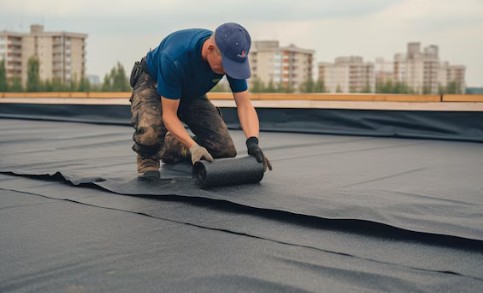
Flat Roofing

Shingle Roofing - NY Roofing

How to Choose the Right Roofing Material for Your Home

Choosing a new roof is one of the most significant investments a homeowner will ever make. It is a decision that sits at the intersection of structural necessity, financial planning, and architectural expression. When you partner with a reputable roofing firm, the first conversation usually revolves around “the material.” The choice you make today will determine your home’s curb appeal, its energy efficiency, and how well it stands up to the elements for the next thirty to fifty years. With a dizzying array of options from traditional organic shingles to cutting-edge synthetic composites navigating the market can feel overwhelming. This guide breaks down the most popular materials, their pros and cons, and the factors you must consider to ensure your investment is a sound one. Asphalt Shingles: The Versatile Standard Asphalt shingles are the most common roofing material in North America, and for good reason. They are composed of a fiberglass mat saturated with asphalt and topped with ceramic granules. Pros: They are the most affordable option upfront, relatively easy to install, and come in a massive variety of colors. “Architectural” or “Dimensional” shingles have a thicker, textured look that can pass as wood or slate. Cons: They have a shorter lifespan than premium materials (typically 15–30 years) and can be susceptible to high winds and algae growth in humid climates. Metal Roofing: The Modern Powerhouse Once reserved for commercial buildings or rural barns, metal roofing has exploded in residential popularity. It is available in standing-seam panels or shingles that mimic wood and stone. Pros: Metal is incredibly durable, often lasting 40–70 years. It is fire-resistant, excellent at shedding snow, and reflects solar radiant heat, which can reduce cooling costs by up to 25%. Cons: The initial cost is significantly higher than asphalt (often double or triple). It can also be noisier during heavy rain or hail if not properly insulated. Clay and Concrete Tiles: The Mediterranean Classic Tiles are synonymous with Spanish, Mission, and Mediterranean-style architecture. They are heavy-duty options that offer a distinct, high-end look. Pros: These materials are practically indestructible, often lasting over 100 years. They are immune to rot and insects and are highly fire-resistant. Cons: Weight is the primary concern. A standard home may require additional structural reinforcement to support the massive weight of tile. They are also brittle and can crack if walked upon improperly. Natural Slate: The “Forever” Roof Slate is often seen as the gold standard of roofing. Sourced from natural stone, it provides a timeless, elegant aesthetic that no synthetic material can truly replicate. Pros: A well-maintained slate roof can last 75 to 200 years. It is completely fireproof and environmentally friendly, as it is a natural stone product. Cons: It is the most expensive material on the market. Like tile, it is extremely heavy and requires a specialist contractor with specific experience in stone masonry and slate roofing. Wood Shakes and Shingles: Natural Beauty Wood roofing—typically crafted from cedar, redwood, or cypress—provides a natural, rustic appearance that gradually ages into an attractive silver-gray patina. Pros: Wood provides excellent natural insulation and a unique aesthetic that synthetic materials struggle to match. Cons: Maintenance is high. Wood is prone to rot, mold, and insect damage if not treated regularly. In fire-prone areas, wood roofing may be restricted by building codes unless treated with expensive fire retardants. Critical Factors to Consider Before Deciding Before you sign a contract, you must weigh these four variables against your personal preferences: Local Climate and Weather Patterns Your roof is your first line of defense. If you live in a coastal area, you need materials resistant to salt spray and high winds (like metal or high-wind rated shingles). If you live in a region with heavy snowfall, a steep-pitched metal roof will help prevent dangerous snow loads. Weight and Structural Integrity As mentioned with slate and tile, not all houses are built to carry the same load. Before switching from a light material (asphalt) to a heavy one (tile), a structural engineer or a professional roofing firm must inspect your rafters and trusses to ensure they won’t sag or collapse under the new weight. Long-Term Value vs. Upfront Cost It is tempting to choose the cheapest option, but roofing is a “cost-per-year” game. An asphalt roof might cost \$10,000 and last 20 years (\$500/year), while a metal roof might cost \$20,000 but last 60 years (\$333/year). If you plan on staying in your home for decades, the premium material is almost always the better financial move. Maintenance Requirements Some roofs are “set it and forget it,” while others require annual attention. Metal and slate are low-maintenance, whereas wood and asphalt require periodic cleaning to prevent moss and debris from trapping moisture against the surface. The Importance of Professional Installation Even the most expensive slate or the highest-grade metal will fail if the underlayment, flashing, and ventilation are handled poorly. The “roofing system” includes more than just what you see on the surface; it involves ice and water shields, starter strips, and ridge vents that allow your home to breathe. Conclusion Selecting the right roofing material is a balancing act between your budget, your home’s architectural style, and the specific demands of your local climate. Whether you choose the reliable versatility of asphalt, the modern efficiency of metal, or the timeless elegance of stone, ensuring your material aligns with your long-term goals is key to a successful renovation. Is your home ready for an upgrade? Contact our expert roofing firm today for a free, no-obligation inspection and a detailed quote tailored to your home’s unique needs. Let us help you build a roof that lasts a lifetime at 1274 5th Ave New York, NY 10029 (212) 457-1324  https://bestroofingnyc.com

How to Choose the Right Roofing Material for Your Home Read More »
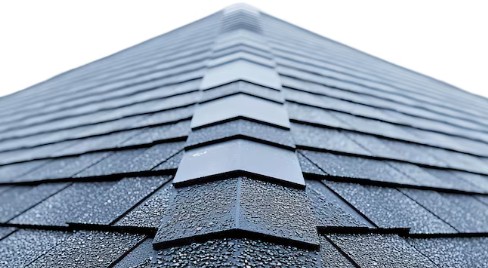
NY Roofing- Roof top

Simple Roof Maintenance Tips That Save You Money

Keeping your roof in good shape doesn’t have to be complicated or expensive. In fact, a little routine care can prevent major problems and save you thousands of dollars over the life of your home. While there are times you’ll need a professional roofing company for inspections, repairs, or replacements, many basic maintenance steps are simple enough for most homeowners to handle themselves—with the right precautions. Here are practical, money‑saving roof maintenance tips that can help extend the life of your roof and protect your investment. Inspect Your Roof Regularly (From the Ground First) You don’t have to climb onto your roof to spot early warning signs of trouble. Start with a visual inspection from the ground: – Look for missing, curled, cracked, or damaged shingles. – Check for dark streaks or patches that might indicate algae or moisture issues. – Scan for sagging areas or uneven sections. Use binoculars if you have them; they allow you to see more detail without risking a fall. If you notice anything that looks serious or widespread, that’s a good time to bring in a professional for a closer look. Keep Gutters Clean and Flowing Clogged gutters are one of the most common and preventable causes of roof and water damage. When gutters are blocked by leaves, twigs, and debris, water backs up under the shingles and can: – Rot fascia boards and roof decking – Cause leaks inside walls and ceilings – Lead to foundation and basement problems Plan to clean your gutters at least twice a year—usually in late spring and late fall—and more frequently if trees are near your home. While cleaning: – Clear out leaves and debris manually or use a gutter scoop to do the job. – Flush the gutters with a hose to check for unrestricted water flow. – Ensure downspouts carry water several feet away from the foundation. – Check for loose or sagging sections and reattach them securely. Consider installing gutter guards if your gutters clog frequently; they can reduce cleaning time and help prevent overflow. Trim Overhanging Branches Trees add beauty and shade, but overhanging limbs can be hard on your roof: – Falling branches can crack or puncture shingles. – Constant rubbing from branches can wear away protective granules. – Leaves pile up, trap moisture, and encourage mold or rot. – Branches provide a pathway for squirrels and other animals to access your roof. Trim branches so they’re at least several feet away from the roof surface. For small, easily accessible limbs, careful DIY trimming may be fine. For larger trees or branches near power lines, hire a qualified tree service to avoid injury and property damage. Check and Maintain Roof Flashing Flashing is the thin metal material installed around chimneys, skylights, roof valleys, and vents. Its job is to direct water away from vulnerable seams and joints. Damaged or poorly installed flashing is one of the most common sources of leaks. Periodically check: – For gaps, cracks, or lifting around flashing. – For rust or corrosion on metal components. – For missing or dried-out sealant. If you’re comfortable on a ladder and working at heights, small gaps can sometimes be resealed with a high-quality exterior sealant. However, if flashing looks significantly damaged or loose, it’s usually best to have a professional repair it properly. Correct flashing work can prevent costly interior water damage. Keep Roof Surfaces Clean—But Gently Moss, algae, and debris buildup not only make your roof look older, they can also trap moisture and shorten its lifespan. However, cleaning must be done carefully: Avoid: – Pressure washing: It can strip protective granules from shingles and drive water under them. – Harsh scrubbing: This can damage the surface of shingles. Better approaches: – For moss and algae, apply a roof-safe cleaning solution (following manufacturer instructions) and gently rinse with a garden hose from top to bottom. – Consider installing zinc or copper strips near the ridge line; rainfall helps distribute metallic ions that inhibit moss and algae growth. If the roof is steep, high, or slippery—or if you’re unsure how to proceed—hire a professional to clean it safely. Watch for Interior Warning Signs Sometimes, the first clues of a roofing problem show up inside your home, not outside. Regularly check: – Check ceilings and upper walls for water stains, discoloration, or peeling and bubbling paint. – Attic spaces for damp insulation, mold, or musty odors. – Attic rafters and sheathing for dark spots or signs of rot. – Daylight shining through roof boards. These symptoms often indicate a small leak or ventilation issue that, if caught early, can be repaired relatively inexpensively. Ignoring them can lead to structural damage, mold growth, and major repair bills. Ensure Proper Attic Ventilation and Insulation A healthy roof depends on what happens underneath it, too. Poor attic ventilation and insulation can: – Cause heat buildup that bakes shingles from below. – Lead to ice dams in winter as snow melts and refreezes at the eaves. – Increase your energy bills year‑round. To improve conditions: – Ensure the soffit and ridge vents are clean, open, and free from any blockages. – Do not cover or obstruct vents with insulation or stored belongings. – Check that attic insulation is evenly distributed and at the recommended depth for your climate. By combining smart DIY care with expert support when needed, you’ll extend the life of your roof, prevent costly damage, and protect the home and family that roof is there to shelter. Reach out to a trusted local roofing company like us at 553 Prospect Avenue Brooklyn NY 11215 (646)-838-0441 https://nyroofing.com for a professional inspection and personalized recommendations.

Simple Roof Maintenance Tips That Save You Money Read More »

Solar Panels And Flat Roofs: The Perfect Sustainable Match

If you’re thinking about adding solar to your building, a flat roof is often the easiest and most versatile place to do it but you’ll still want the guidance of a trusted roofing contractor to make sure the job is done right. Flat roofs offer large, unobstructed surfaces, ideal for efficient solar layouts, simplified maintenance, and creative system designs that maximize energy production without compromising the roof’s integrity. Below is a practical, design-forward guide to why flat roofs and solar panels are a natural pairing, what to consider, and how to get the best long-term results. Why flat roofs work so well for solar Flat roofs remove many of the common constraints that pitched roofs present: awkward hip and valley geometry, limited usable area because of adjacent slopes, and unpredictable shading. That simplicity translates into several practical advantages: Flexible array placement. Panels can be arranged in optimal groupings, oriented and tilted to match solar azimuth and seasonal sun angles rather than roof slope. Easier access for installation and maintenance. Technicians can work more comfortably and safely on flat surfaces, and equipment like racking and conduit runs can be staged more efficiently. Scalability. Large commercial flat roofs can host significant arrays that supply a building’s base load or feed into community solar projects. Amenity co-existence. Solar arrays can be combined with rooftop gardens, HVAC equipment, or rooftop decks using low-profile racking and thoughtful placement. Types of mounting systems for flat roofs Selecting the right mounting method matters for performance, costs, and roof longevity. The main approaches are: Ballasted mounts: Racks are weighted down (concrete blocks or ballast trays) to resist wind uplift without penetrating the roof membrane. Ballasted systems minimize roof penetrations, which is great for certain membrane types, but they add dead load and must be designed to prevent ponding or movement. Penetrating mounts (anchored): Racking is mechanically fastened to the roof structure and flashed or sealed at penetration points. This offers excellent wind resistance and often allows lower tilt angles with less ballast, but requires meticulous waterproofing at each penetration. Hybrid systems: Combine anchoring for wind-critical zones and ballast in other areas to reduce penetrations while maintaining secure attachment. Flush or low-profile arrays: Panels are mounted almost flat to the roof for minimal visual impact and low wind profile. These are popular where aesthetics or height limits matter. Choosing between these depends on roof type (EPDM, TPO, PVC, modified bitumen, metal deck), structural capacity, local wind codes, and installer preference. Structural assessment and load considerations Solar arrays add dead load (panels, racking, ballast), live load (maintenance crews), and potential point loads. Before installation: Get a structural evaluation. An engineer should confirm the roof and supporting framing can safely handle the additional weight, including snow loads where relevant. Account for ballast weight distribution. Ballasted systems must spread weight evenly to avoid deck deflection or membrane damage and to prevent roof sag or localized ponding. Check parapet and edge conditions. Racking near edges and penetrations must meet wind uplift and edge-strip design requirements. A thorough assessment early in the project saves costly surprises and ensures compatibility with roof warranties. Tilt, orientation, and performance optimization On a flat roof you can control tilt and orientation to maximize generation: Tilt angle. A small tilt (10–20°) often hits a sweet spot for year-round performance, while steeper tilts get better winter yields. Tilt also improves self-cleaning from rain. Row spacing and shading. Proper spacing avoids inter-row shading, especially in winter when the sun is low. Calculations should account for seasonal sun paths and any nearby obstructions. Orientation. South-facing arrays (in the northern hemisphere) produce the best annual yield, but flat-roof arrays can be canted to any azimuth to match site constraints or shading patterns. Modeling production with PV design software helps optimize layout and predict energy output, which matters for payback calculations. Electrical design, inverters, and monitoring Solar design choices affect long-term performance and maintenance: String inverters vs. microinverters vs. power optimizers. Microinverters and optimizers improve shade tolerance and per-panel monitoring but add upfront cost. For large flat arrays where shading is minimal, string inverters may be more cost-effective. Combiner and conduit runs. Flat roofs simplify conduit routing to inverters or combiner boxes. Plan for accessible locations for maintenance. Monitoring systems. Remote monitoring helps detect underperforming panels or faults quickly — essential for maximizing ROI. Work with an experienced electrical contractor familiar with rooftop solar to ensure safe and efficient integration. Maintenance, snow, and access Ongoing care keeps the system generating: Safe access. Include walkways and non-penetrating protective pads near service points to prevent membrane damage during maintenance. Snow management. In snowy climates, design for snow shedding or include de-icing strategies to preserve generation. Cleaning and inspections. Periodic cleaning of debris and checks for corrosion, flashings, and wiring help avoid long-term issues. A maintenance plan negotiated upfront reduces downtime and extends both roof and solar lifespans. Final checklist before you start Structural engineering sign-off. Roofing contractor review and warranty coordination. Wind-load, permitting, and code compliance. Array layout and shading analysis. Electrical design and inverter choice. Maintenance access and rooftop protection. Financial modeling including incentives. Conclusion Flat roofs and solar are a natural match they deliver flexibility in layout, ease of maintenance, and strong potential returns. But the best results come from integrated planning: structural engineers, solar designers, electricians, and a skilled roofing contractor working together to protect both the roof and the solar investment. Schedule a site assessment with a certified roofing contractor and solar installer today at 553 Prospect Avenue Brooklyn NY 11215 (646)-838-0441 https://nyroofing.com to get a customized plan, structural evaluation, and production forecast — and turn your flat roof into a clean-energy asset that pays back for years to come. Frequently Asked Questions Are flat roofs good for solar panel installation? Yes. Flat roofs provide large, unobstructed surfaces that allow flexible panel placement, optimal tilt angles, easier maintenance access, and scalable solar system designs. How are solar panels mounted on flat roofs? Solar panels on flat roofs are typically mounted using ballasted systems,

Solar Panels And Flat Roofs: The Perfect Sustainable Match Read More »

Flat Roofing 01 - NY Roofing

Common Flat Roof Installation Mistakes To Avoid

Flat roofs can be economical, stylish, and functional when they’re installed correctly. Unfortunately, poor installation choices are one of the main reasons flat roofs fail prematurely. Whether you’re a homeowner, building manager, or contractor, knowing the common mistakes helps you avoid costly repairs down the road. If you’re tackling a project, bring in an Expert roofer to make sure everything is done right the first time. Skipping a Proper Structural Assessment One of the earliest missteps is assuming the existing structure can handle additional loads. Roof gardens, solar panels, or even heavy roofing systems can exceed the roof’s load capacity. Failing to assess and reinforce the structure can lead to sagging, leaks, or worse. An expert roofer will insist on a structural review before materials are specified. Inadequate Waterproofing and Membrane Selection Choosing the wrong membrane or skimping on waterproofing layers is another frequent error. A flat roof depends on its membrane to keep water out and not all membranes perform equally in every climate. UV exposure, thermal movement, and foot traffic all influence which system is best. A knowledgeable professional will select a membrane that matches your climate, building use, and budget. Poor Drainage Design Flat roofs aren’t truly flat they need slight slopes and well-placed drains, scuppers, or gutters to avoid ponding water. Installers sometimes overlook subtle slope issues or fail to clear and protect drains during installation. Standing water accelerates membrane degradation and invites leaks. An expert roofer designs and verifies drainage so water moves away efficiently. Improper Flashing and Detail Work Leaks rarely occur in the middle of a roof; they appear at details around parapets, vents, skylights, and flashings. Rushed or sloppy flashing work is a leading cause of failure. Properly integrated flashings and careful detailing at transitions are essential. A seasoned roofer pays attention to these small but critical areas. Poor Adhesion and Seaming Techniques Inconsistent temperature during installation, dirty surfaces, or incorrect fastener spacing can compromise seams. This leads to gaps and water ingress. Professional installers follow manufacturer guidelines precisely and test seams as needed. Neglecting Expansion and Contraction Materials expand and contract with temperature swings. If allowance for movement is ignored for example, by rigidly fastening materials or omitting expansion joints seams can split and membranes can tear. Rushing Installation or Cutting Corners Time pressure and budget constraints tempt crews to cut corners: quicker flashings, fewer fasteners, or skipping inspections. These shortcuts almost always create bigger expenses later. A quality installation takes the time it needs, and an expert roofer won’t rush critical steps. Failing to Plan for Maintenance and Access Finally, some installs forget practical maintenance needs access routes, rooftop equipment spacing, or drain access. Designing a roof that’s impossible to service makes future upkeep expensive and risky. Avoid costly mistakes and protect your building with a professional installation. Contact an Expert roofer now at 553 Prospect Avenue Brooklyn NY 11215 (646)-838-0441 https://nyroofing.com Frequently Asked Questions About Flat Roof Installation Mistakes What is the most common flat roof installation mistake? One of the most common mistakes is poor drainage design, which allows water to pool on the roof surface and accelerates membrane deterioration and leaks. Why is structural assessment important before installing a flat roof? A structural assessment ensures the roof can support the weight of roofing materials, equipment, or additions like solar panels without sagging or failure. How does improper waterproofing affect a flat roof? Inadequate waterproofing or the wrong membrane choice can lead to early leaks, UV damage, seam failure, and costly interior water damage. Why do flat roof leaks often occur around edges and penetrations? Leaks usually form at flashings, vents, skylights, and parapets where improper detailing or poor installation allows water to penetrate. Can poor seam installation cause flat roof failure? Yes. Incorrect seaming techniques, dirty surfaces, or improper temperatures during installation can cause seams to separate and allow water intrusion. Why should maintenance access be planned during installation? Planning access for drains and rooftop equipment makes future inspections and repairs safer, faster, and less expensive.

Common Flat Roof Installation Mistakes To Avoid Read More »

Shingle Roof 01 - NY Roofing

Four Roofing Materials That Increase Home Value Instantly

When it comes to boosting curb appeal and raising the value of your home, few upgrades make as big of an impact as a new roof. Whether you’re preparing to sell or simply want to invest wisely, choosing the right roofing material can instantly elevate both appearance and long-term durability. With the help of a professional roofing crew, you can upgrade to a roof that not only protects your home but also increases its market value from day one. Below are four roofing materials proven to raise home value quickly and attract buyers who want style, strength, and efficiency. Architectural Asphalt Shingles Architectural asphalt shingles are one of the most popular roofing upgrades for homeowners looking to add instant value without breaking the bank. These shingles have a multidimensional appearance that mimics pricier materials like slate or wood, giving your home a high-end look at a more affordable cost. Why buyers love them: Enhanced curb appeal Long lifespan (20–30 years) Wide variety of colors and textures Excellent performance in most climates Because architectural shingles are a major visual improvement over basic 3-tab shingles, homes with these roofs stand out immediately and appraisers notice. Metal Roofing Metal roofing has become a top-tier choice for homeowners seeking long-lasting, energy-efficient upgrades. Available in steel, aluminum, and copper, metal roofs offer unmatched durability and can last 40–70 years. Benefits that increase value: Modern, upscale appearance Reflects heat, reducing energy bills Fire-resistant and weather-resistant Low maintenance Buyers are willing to pay more for homes with metal roofs because they won’t have to replace or repair the roof anytime soon. The sleek aesthetic also makes the home more visually appealing from the street. Clay or Concrete Tiles Clay and concrete roof tiles add a luxurious, timeless look especially to Mediterranean, Spanish, or Southwestern-style homes. Their bold texture and rich color make homes look more expensive instantly. Value-boosting qualities: Lifespan of up to 100 years Exceptional resistance to heat and harsh weather A unique aesthetic that sets it apart from surrounding homes These roofs are viewed as premium upgrades, and buyers often associate them with upscale design and high-quality construction. Slate Roofing Known for its natural beauty and extreme durability, slate roofs can last more than a century. Why it increases value instantly: Elegant, high-end appearance Fireproof and environmentally friendly One of the longest-lasting roofing materials Homes with slate roofing often command higher prices simply because the material is considered elite and timeless. Your roof is one of the first things buyers notice and one of the biggest factors that influence your home’s value. Contact our roofing crew today at 553 Prospect Avenue Brooklyn NY 11215 (646)-838-0441 https://nyroofing.com for a free inspection and expert recommendations. Let us help you choose the perfect roof that enhances beauty, durability, and resale value instantly.

Four Roofing Materials That Increase Home Value Instantly Read More »

The Step-by-Step Process Of Professional Flat Roof Installation

Flat roofs have become increasingly popular in both residential and commercial architecture due to their sleek appearance, space efficiency, and adaptability for modern sustainable systems like solar panels or green roofs. However, achieving a long-lasting and leak-free flat roof requires precision, skill, and the right materials which is why hiring an experienced roofing contractor is crucial. Professional installation follows a structured process that ensures durability, weather resistance, and long-term performance. Below is a detailed step-by-step guide on how professionals install flat roofs properly and efficiently. Initial Roof Assessment and Planning Every successful roofing project begins with a comprehensive inspection and planning stage. The roofing contractor will assess the existing structure, checking for signs of water damage, rot, or structural weakness. They’ll determine whether the old roof needs to be removed or can be installed over. Next, the contractor chooses the right flat roofing system based on the building’s needs — such as EPDM (rubber roofing), TPO (thermoplastic polyolefin), or modified bitumen. Preparation and Removal of the Old Roof If a roof replacement is needed, the old materials must be carefully stripped off to expose the deck beneath. This step is critical because any damaged or rotted decking must be repaired or replaced before new materials are applied. A clean, dry, and structurally sound base ensures that the new roofing system adheres properly and performs as expected. Installing the Insulation Layer Insulation plays a key role in maintaining interior temperature and reducing energy costs. Professional roofers use rigid foam boards or spray-applied insulation, depending on the project type. The insulation is typically laid in multiple layers and secured with mechanical fasteners or adhesives to create a continuous thermal barrier. Proper insulation not only enhances comfort but also extends the lifespan of the roofing system by preventing temperature fluctuations that can cause expansion and contraction. Applying the Roofing Membrane Once the insulation is secured, the most important layer the roofing membrane is installed. This membrane acts as the waterproof barrier that protects the structure from rain, snow, and UV rays. Flashing and Edge Detailing Flashing and edge detailing are critical to preventing water infiltration at vulnerable points, such as roof edges, vents, drains, and HVAC penetrations. Roofers use metal flashing, sealants, and specialized membranes to create a watertight finish around these areas. Drainage System Installation Since flat roofs don’t have a natural slope for water runoff, a reliable drainage system is essential. Contractors typically integrate one or more of the following: Internal drains connected to downspouts. Scuppers that allow water to flow off the edge. Conclusion A well-installed flat roof combines design efficiency, durability, and long-term energy performance. From the initial assessment to the final inspection, every stage of the installation process matters. Whether you’re building a new structure or replacing an old roof, partnering with a certified roofing contractor at 553 Prospect Avenue Brooklyn NY 11215 (646)-838-0441 https://nyroofing.com guarantees a result that’s both watertight and future-proof. Frequently Asked Questions What is the first step in flat roof installation? The first step is a full roof assessment and planning phase, where contractors inspect the structure, check for damage, and select the most suitable flat roofing system. Is the old roof removed before installing a flat roof? In many cases, yes. Old roofing materials are removed to expose and repair the roof deck, ensuring a clean and structurally sound base for installation. Why is insulation important in flat roof installation? Insulation improves energy efficiency, maintains indoor comfort, and reduces thermal movement that can shorten the lifespan of the roofing system. What materials are used for flat roof membranes? Common flat roof membranes include EPDM rubber, TPO, PVC, and modified bitumen, all designed to provide waterproof and UV-resistant protection. Why is flashing important on flat roofs? Flashing seals vulnerable areas such as edges, drains, vents, and HVAC units, preventing water intrusion and roof leaks. How do flat roofs handle water drainage? Flat roofs use internal drains, scuppers, or gutters to channel water away and prevent ponding that can damage the roofing membrane.

The Step-by-Step Process Of Professional Flat Roof Installation Read More »

Roof Installation - NY Roofing

Flat Roof Insulation Techniques And R-Value Requirements

Flat roofs are common in commercial buildings and modern homes because of their sleek design and practicality. However, without proper insulation, they can quickly become energy drains—allowing heat to escape in winter and increasing indoor temperatures in summer. That’s why understanding flat roof insulation techniques and R-value requirements is so important. With the help of a skilled roofing contractor, you can make sure your roof performs efficiently all year round. Understanding R-Value The R-value indicates an insulation’s ability to resist heat transfer—the higher the number, the more effective the insulation. Different climates and building codes have specific R-value requirements for roofs to ensure energy efficiency. In general: Warm climates require R-values between R-20 and R-30. Cold climates may require R-40 to R-60 or higher. The exact number depends on local regulations and the type of insulation material used. Your roofing contractor can help determine the correct R-value for your region and ensure your roof meets all energy standards. Common Flat Roof Insulation Techniques There are several ways to insulate a flat roof. The choice depends on your building’s design, budget, and energy needs. Below are the most common techniques used by professionals. Warm Roof System The warm roof system is the most popular insulation method for flat roofs. In this setup, the insulation is placed above the roof deck but below the waterproof membrane. Advantages: Keeps the roof deck warm, reducing condensation risk. Provides consistent insulation and thermal performance. Suitable for both new roofs and renovations. This method is energy-efficient and ideal for areas with varying temperatures. It also protects the building structure from thermal stress. Cold Roof System In a cold roof system, the insulation is installed below the roof deck and above the ceiling. A ventilated space is left between the insulation and the deck to allow air circulation. Advantages: Easier to install from the inside on existing roofs. Keeps insulation dry through ventilation. Disadvantages: Less energy-efficient than warm roofs. Requires proper ventilation to prevent moisture buildup. Cold roofs are often used in small residential buildings or where the structure cannot support the added weight of above-deck insulation. Inverted Roof System An inverted roof, also known as a protected membrane roof (PMR), places the insulation above the waterproofing layer. The insulation is held in place by ballast, such as gravel or paving slabs. Advantages: Protects the waterproof layer from UV rays and temperature changes. Easy to maintain since the membrane is shielded from damage. Offers excellent long-term durability. This system is ideal for roofs that double as terraces or green spaces. Ready to improve your building’s energy efficiency? Contact a qualified roofing contractor immediately at 553 Prospect Avenue Brooklyn NY 11215 (646)-838-0441 https://nyroofing.com and take the first step toward a stronger, more efficient flat roof! Frequently Asked Questions About Flat Roof Insulation What is R-value in flat roof insulation? R-value measures how well insulation resists heat transfer. Higher R-values provide better insulation and improved energy efficiency for flat roofs. What R-value is recommended for flat roofs? Recommended R-values vary by climate. Warm climates typically require R-20 to R-30, while colder climates may require R-40 to R-60 or higher. What is a warm roof insulation system? A warm roof system places insulation above the roof deck and below the waterproof membrane, reducing condensation and improving thermal performance. How does a cold roof insulation system work? In a cold roof system, insulation is installed below the roof deck with a ventilated air gap, allowing airflow but offering lower energy efficiency. What is an inverted flat roof system? An inverted roof system places insulation above the waterproof membrane and uses ballast to hold it in place, protecting the membrane and extending roof life. Why should a professional install flat roof insulation? A professional ensures correct insulation placement, proper R-value selection, moisture control, and compliance with building codes for long-term efficiency.

Flat Roof Insulation Techniques And R-Value Requirements Read More »

Ballasted Roofing Systems & Its Advantages

When it comes to flat or low-slope roofs, there are many installation options to choose from. One of the most efficient, durable, and cost-effective choices is the ballasted roofing system. Whether for commercial or residential properties, these systems offer long-term protection and energy savings. With the help of an experienced roofing crew, a ballasted roof can provide excellent performance and reliability for years. This article will explain what ballasted roofing systems are, how they work, their main components, and the many advantages they bring to building owners. What Is a Ballasted Roofing System? A ballasted roofing system is a type of flat roof installation that uses heavy materials usually gravel, river stones, or concrete pavers to hold down the roof membrane. Instead of relying heavily on adhesives or fasteners, the weight of the ballast keeps the membrane securely in place. Main Components of a Ballasted Roof A ballasted roofing system consists of several important layers and materials that work together to create a strong, weather-resistant surface: Roof Deck: This is the structural foundation of the roof, typically made of concrete, steel, or wood. It supports the entire roofing system. Insulation Layer: A layer of rigid insulation boards is installed over the roof deck to improve energy efficiency by reducing heat loss and maintaining stable indoor temperatures. Roof Membrane: The single-ply membrane—usually EPDM, TPO, or PVC—acts as the waterproof layer. It protects the building from leaks, UV rays, and weather damage. Protection Mat (Optional): Some installations include a fabric or mat between the membrane and ballast to prevent punctures and extend the membrane’s lifespan. Ballast Layer: Finally, gravel, river stones, or concrete pavers are spread evenly over the roof. This ballast holds the membrane in place, protects it from UV exposure, and adds fire resistance. Advantages of Ballasted Roofing Systems Ballasted roofing systems have many benefits that make them a popular choice for flat or low-slope roofs, especially on large commercial buildings. Below are some of their most notable advantages: Cost-Effective Installation One of the biggest advantages of ballasted roofing systems is their affordability. Since they require fewer fasteners and adhesives, installation costs are generally lower. The materials themselves are also cost-effective, making this system ideal for large-scale projects. Additionally, because the process is straightforward, a skilled roofing crew can complete the job more quickly than with other systems—saving both time and labor expenses. Long-Lasting Durability Ballasted roofs are designed to last. The protective layer of ballast shields the membrane from the elements, especially from harmful UV radiation and temperature extremes. This reduces wear and tear and extends the roof’s life expectancy, often up to 30 years or more with proper maintenance. Excellent Wind Resistance Because the ballast provides significant weight, ballasted roofing systems are very resistant to wind uplift. Even in areas with strong winds, the stones or pavers keep the membrane firmly in place. This stability makes them an ideal choice for large buildings in open or windy regions. Enhanced Fire Protection The use of gravel or concrete pavers provides a natural fire-resistant barrier. This added protection helps prevent flames from spreading and reduces the risk of fire damage to the building, which can also lead to lower insurance costs. Easy Maintenance and Repairs One of the most convenient features of ballasted roofing systems is their ease of maintenance. If a section of the membrane needs to be inspected or repaired, the ballast can simply be moved aside and replaced afterward. This flexibility means minor repairs can be made quickly and cost-effectively without disturbing the entire roof structure. Energy Efficiency and Thermal Performance The ballast layer acts as an additional insulator. It reflects sunlight, reducing heat absorption during hot weather and helping maintain stable indoor temperatures. In colder months, the insulation layer underneath helps retain heat. This combination improves energy efficiency, leading to reduced heating and cooling costs year-round. Eco-Friendly Option Many ballasted roofs use natural materials like river stones or recycled concrete as ballast, making them environmentally friendly. Additionally, because adhesives and fasteners are minimized, fewer chemicals are used during installation, reducing environmental impact. The longevity of ballasted roofs also contributes to sustainability since they last longer, fewer materials are needed for replacements over time. Minimal Structural Penetration Since the membrane is not mechanically fastened, there are fewer penetrations in the roof deck. This lowers the risk of leaks and water damage, preserving the integrity of the building’s structure. Aesthetic Appeal While functionality is the main goal, ballasted roofs can also be visually appealing. The clean, uniform layer of stones gives the roof a neat and professional appearance. Some property owners even combine ballasted sections with green roof features to add vegetation and enhance visual value. Maintenance Tips for Ballasted Roofs A ballasted roof requires relatively low maintenance, but regular inspections can help extend its lifespan even further. Here are a few tips: Inspect annually: Check for displaced stones, clogged drains, or membrane damage. Clean debris: Remove leaves, dirt, or other debris to maintain proper drainage. Monitor roof movement: Ensure the ballast remains evenly distributed. Repair quickly: Address any minor issues early to prevent major damage later. Following these steps can help you enjoy decades of reliable protection from your ballasted roof. Final Thoughts Ballasted roofing systems are a smart, durable, and cost-effective solution for flat or low-slope roofs. Their simple design, natural insulation, and weather-resistant performance make them a favorite among builders and property owners alike. With the guidance of a professional roofing crew at 553 Prospect Avenue Brooklyn NY 11215 (646)-838-0441 https://nyroofing.com you can ensure your roof is installed correctly and built to last. Whether you’re looking to upgrade an existing roof or install a new one, a ballasted system could be the perfect balance of performance, protection, and value. Frequently Asked Questions What is a ballasted roofing system? A ballasted roofing system is a flat roof installation where heavy materials such as gravel, river stones, or concrete pavers hold the roofing membrane in place instead of adhesives or mechanical fasteners. What types of roofs use ballasted

Ballasted Roofing Systems & Its Advantages Read More »

Roof Maintenance Tips to Maximize Its Lifespan

A roof is one of the most important parts of any home or commercial property. It protects you, your family, or your business from the elements while also maintaining structural integrity and energy efficiency. Yet, many property owners overlook roof care until major problems arise. The good news is that with simple maintenance steps, you can add years to your roof’s lifespan and avoid costly replacements. Working with a trusted roofing company ensures that your investment stays strong, durable, and reliable for decades. In this guide, we’ll explore practical maintenance tips that every property owner can follow to maximize roof longevity. Schedule Regular Inspections One of the most effective ways to extend your roof’s lifespan is by scheduling regular inspections. Over time, weather conditions, falling debris, and normal wear and tear can damage shingles, flashing, or underlayment. While some problems may be visible, others are hidden and require a professional eye. Experts recommend at least two inspections per year once in the spring and once in the fall. These routine checks help catch issues like cracked shingles, weakened seals, or clogged gutters before they lead to serious leaks. A roofing company can also identify potential problems after heavy storms, ensuring your roof remains safe and secure. Keep Gutters Clean When leaves, dirt, and debris block the flow of water, it can back up and pool along the roofline. Over time, this causes water damage, mold growth, and even structural rot. Cleaning your gutters regularly especially in the fall when leaves are most abundant ensures proper drainage. Installing gutter guards can also help reduce buildup and minimize maintenance efforts. Trim Overhanging Trees While trees add beauty and shade to your property, overhanging branches can cause serious roof issues. During storms, branches may break and damage shingles, while falling leaves contribute to clogged gutters. Additionally, overhanging branches create shady areas where moss and algae thrive, weakening the roof surface. Trimming back trees so they don’t touch or hang directly over your roof minimizes these risks. This simple step protects your roof from physical damage while keeping it free of excess moisture and debris. Address Moss and Algae Growth Moss, algae, and lichen not only affect the appearance of your roof but also shorten its lifespan. Moss, in particular, retains moisture, which can cause shingles to warp and deteriorate. To prevent growth, consider installing zinc or copper strips near the roof ridge. Rainwater carries small amounts of metal down the roof surface, creating an environment where moss and algae struggle to grow. For existing moss, gently remove it with a specialized roof cleaner. Avoid harsh scrubbing, as it may damage shingles. Ensure Proper Ventilation Roof ventilation plays a crucial role in longevity. Without adequate airflow, heat and moisture build up in the attic, leading to mold, mildew, and structural damage. Poor ventilation can also cause shingles to warp or deteriorate prematurely. Signs of poor ventilation include high energy bills, uneven indoor temperatures, and ice dams forming in winter. A roofing company can assess your ventilation system and make adjustments such as installing ridge vents, soffit vents, or attic fans to keep airflow balanced. Repair Damage Promptly Even minor roof damage should never be ignored. A missing shingle, small crack, or loose flashing may seem insignificant, but they can quickly escalate into leaks and water intrusion. Water damage spreads rapidly, causing rot, mold, and costly interior repairs. Whenever you spot signs of wear, address them immediately. Quick repairs not only save money but also prevent further deterioration. Hiring a professional roofing company ensures the job is done safely and correctly. Keep the Roof Clean Roofs naturally accumulate dirt, leaves, and debris over time. Left unchecked, this buildup traps moisture and encourages mold or moss growth. Cleaning your roof occasionally helps maintain its appearance and function. Use a soft broom or low-pressure washing method to clear debris. Avoid high-pressure washers, as they can strip away protective granules from shingles. Watch for Signs of Trouble Being proactive means paying attention to early warning signs of roof problems. Common indicators include: Water stains on ceilings or walls Sagging roof sections Granules in gutters (from deteriorating shingles) Drafts or sudden increases in energy bills Visible cracks or curling shingles Catching these signs early makes repairs easier and less expensive. Ignoring them can shorten your roof’s lifespan significantly. Protect Against Ice Dams In colder climates, ice dams are a serious concern. They form when heat from inside the home melts snow on the roof, which then refreezes near the edges. This traps water under the shingles, causing leaks and damage. Clearing snow from your roof’s edge after heavy snowfall can also help. If ice dams are a recurring issue, consult a roofing company for long-term solutions. Work with Professionals While DIY maintenance is helpful, some tasks require professional expertise. From inspections to repairs, roofing companies bring the knowledge, equipment, and safety training needed to handle roof care correctly. Attempting complex repairs on your own can lead to mistakes, injuries, or voided warranties. A professional roofing company not only extends your roof’s lifespan but also gives you peace of mind knowing your property is in capable hands. Conclusion Your roof is one of your property’s most valuable assets, and with simple maintenance, you can ensure it lasts for decades. Regular inspections, clean gutters, trimmed trees, proper ventilation, and timely repairs all go a long way in protecting your roof. By addressing issues early and working with professionals, you’ll save money, prevent damage, and enjoy a safer, more durable structure. Don’t wait until small problems become costly headaches contact a trusted roofing company today at 553 Prospect Avenue Brooklyn NY 11215 (646)-838-0441 https://nyroofing.com  to schedule an inspection and keep your roof performing at its best for years to come. Frequently Asked Questions About Roof Maintenance How can I extend the lifespan of my roof? You can extend your roof’s lifespan by scheduling regular inspections, keeping gutters clean, repairing damage promptly, ensuring proper ventilation, and removing debris that traps moisture. How often should

Roof Maintenance Tips to Maximize Its Lifespan Read More »

Gutters And Downspouts - NY Roofing

Best Roofing Materials For Warehouses And Large Facilities

Warehouse roofing is different from residential roofing because large facilities need stronger performance, better energy control, and long-term protection over wide roof areas. A warehouse roof must protect inventory, equipment, staff, loading zones, machinery, and daily operations. Many property owners ask, “what is roofing materials selection really based on?” For warehouses, the answer includes climate, roof structure, foot traffic, drainage, insulation, budget, and building use. The best roofing materials for warehouses include metal roofing, modified bitumen, TPO, PVC, and liquid applied roofing systems. Each option has different strengths. Some are better for energy efficiency, while others perform better in chemical exposure, heavy rain, or high-traffic environments. Choosing the right material helps improve roof durability, reduce maintenance costs, and protect the facility’s long-term value. Why Warehouse Roofing Material Matters in Florida Florida warehouses face intense heat, high humidity, heavy rain, hurricane-season winds, and strong UV exposure. These conditions make roofing material selection extremely important. A poor roofing choice can lead to leaks, trapped moisture, high cooling costs, membrane damage, mold concerns, and early roof failure. For large facilities, even a small roof problem can affect inventory, equipment, employees, and business operations. Warehouse roof design must consider drainage, insulation, wind uplift, roof traffic, and energy performance. In Florida, reflective and waterproof materials are especially valuable because they help control heat and moisture. Flat roofing materials for warehouses are common because many large facilities have low-slope roof structures. These roofs need membranes or systems that can manage slow water movement, large surface areas, and rooftop equipment. The right warehouse roofing material can improve operational efficiency. A reflective roof may reduce heat absorption, while a durable membrane can limit repair needs. Over time, the correct system supports better comfort, lower maintenance, and stronger return on investment. What Are the Most Common Warehouse Roofing Materials? The most common warehouse roofing materials include metal roofing, modified bitumen, TPO, PVC, and liquid applied roofing systems. These materials are used because they can cover large roof areas and handle commercial demands. Warehouse roof types are usually flat, low-slope, or slightly sloped. Flat and low-slope roofs often use membrane systems, coatings, or asphalt-based materials. Sloped warehouse roofs may use metal roofing panels. Metal systems are valued for strength. TPO and PVC are popular single-ply membranes. Modified bitumen offers layered waterproofing. Liquid applied systems are often used for restoration and waterproofing upgrades. 1. Metal Roofing Metal roofing is one of the strongest options for warehouses and large facilities. It is commonly used on sloped warehouse roof structures, industrial buildings, distribution centers, agricultural buildings, and manufacturing facilities. Metal roofing materials for warehouses can handle large roof spans, strong sun exposure, rain, and wind when installed correctly. They are also known for long service life and strong structural performance. Advantages Metal roofing offers durability, fire resistance, and long-term value. It can withstand harsh weather better than many lightweight systems when properly designed. For Florida warehouses, reflective metal panels or coated metal systems may help reduce heat absorption. This can support better indoor temperature control, especially in facilities without heavy insulation. Metal roofs can also be easier to maintain than some systems. Loose fasteners, seams, coatings, and flashing should still be checked regularly, but the material itself is strong and reliable. Common Metal Types Common metal roofing materials include steel, aluminum, Galvalume, and zinc. Steel is strong and widely used for industrial roofing. Aluminum is lightweight and naturally resistant to corrosion. Galvalume combines steel with an aluminum-zinc coating, making it popular for commercial and industrial roofs. Zinc is durable and long-lasting, but it is often more expensive. The best metal type depends on budget, building use, coastal exposure, wind requirements, and maintenance expectations. Best For Metal roofing is best for large industrial warehouses, distribution centers, manufacturing buildings, and high-traffic facilities with sloped roof structures. It is also useful where long-term durability matters more than the lowest upfront price. Facilities with large roof surfaces may benefit from metal’s strength and potential energy efficiency. However, metal roofing must be installed with proper fasteners, coatings, underlayment, insulation, and flashing. Poor flat roof installation can lead to leaks, corrosion, and noise issues. 2. Modified Bitumen Roofing Modified bitumen is an asphalt-based flat roofing system used on commercial buildings, warehouses, and large facilities. It is known for durability, waterproofing, and puncture resistance. This system is often installed in rolls and may include multiple layers. It can be torch-applied, cold-applied, self-adhered, or installed with hot asphalt depending on the project and product. Advantages Modified bitumen provides strong waterproofing and multi-layer protection. This makes it one of the practical flat roofing materials for warehouses that need durability and leak resistance. It can handle moderate foot traffic better than some thinner membrane systems when properly surfaced. This is useful for facilities with rooftop HVAC units, maintenance crews, or service access. Modified bitumen can also be repaired with compatible materials when damage is limited. Its layered design helps protect against punctures, weather exposure, and surface wear. Drawbacks Modified bitumen may absorb more heat than reflective systems unless it has a coated or reflective surface. In Florida, this can affect indoor temperature and cooling demand. Installation can also be more complex than some single-ply membranes. Torch-applied systems require safety precautions, trained installers, and proper jobsite controls. If seams, flashing, or drainage details are poorly installed, leaks can still occur. Like all flat roofing materials, modified bitumen depends on skilled installation and regular maintenance. Best For Modified bitumen is best for warehouses with moderate foot traffic, rooftop equipment, and a need for strong puncture resistance. It can work well for facilities that want a proven asphalt-based system and good waterproofing performance. It may also be a good fit for flat or low-slope warehouse roof structures. For Florida buildings, reflective coating may be considered to improve heat resistance and energy performance. 3. TPO Roofing TPO roofing is a popular single-ply membrane used on commercial and warehouse roofs. It is known for reflectivity, energy efficiency, and cost-conscious performance. TPO stands for thermoplastic polyolefin. It is

Best Roofing Materials For Warehouses And Large Facilities Read More »