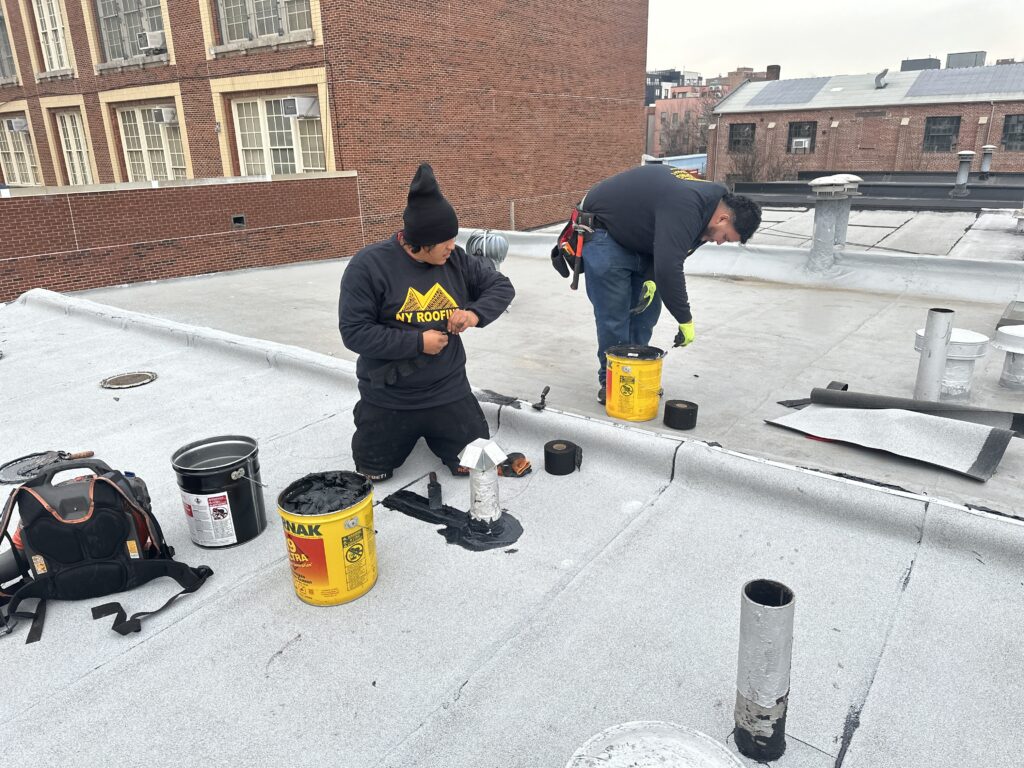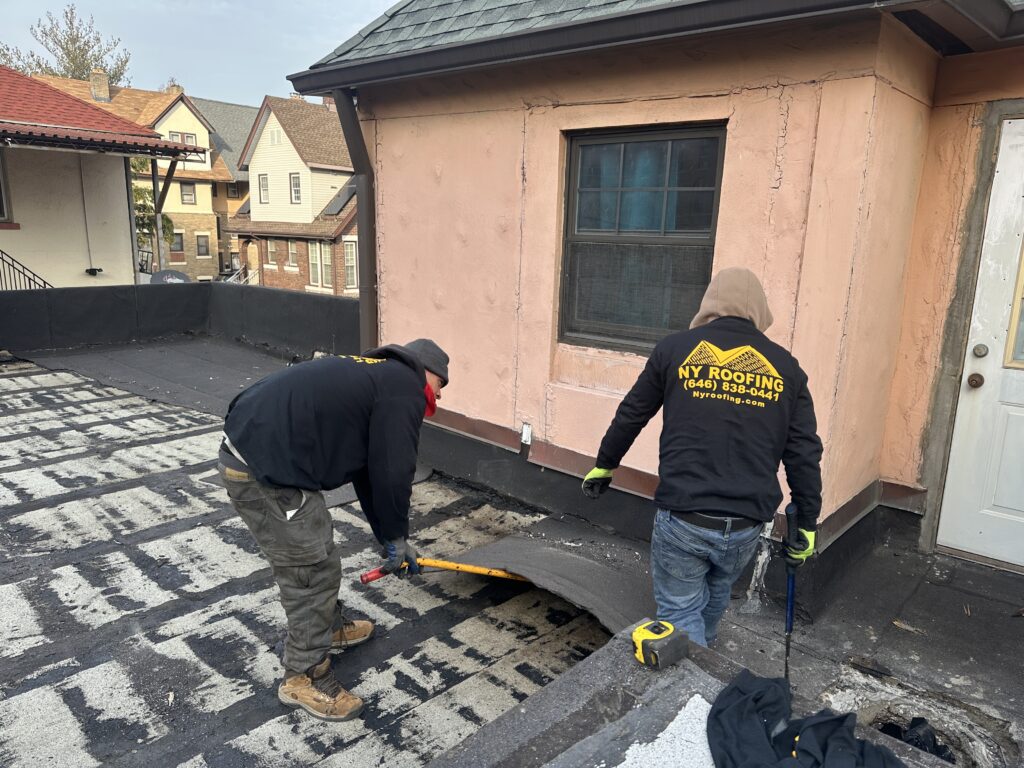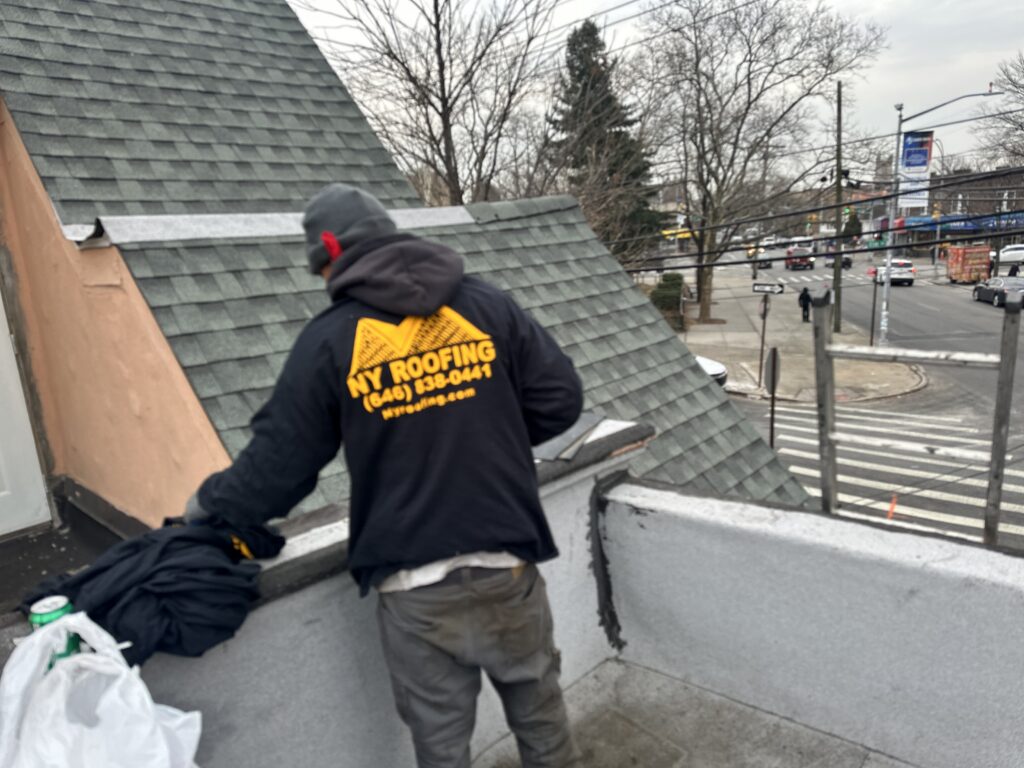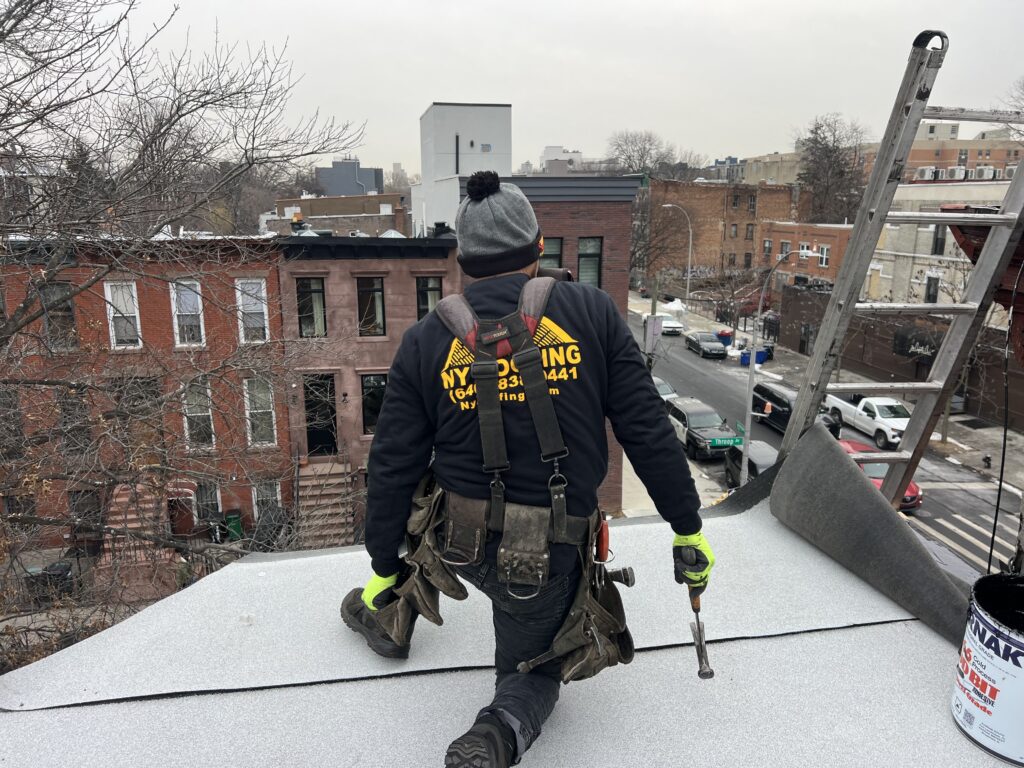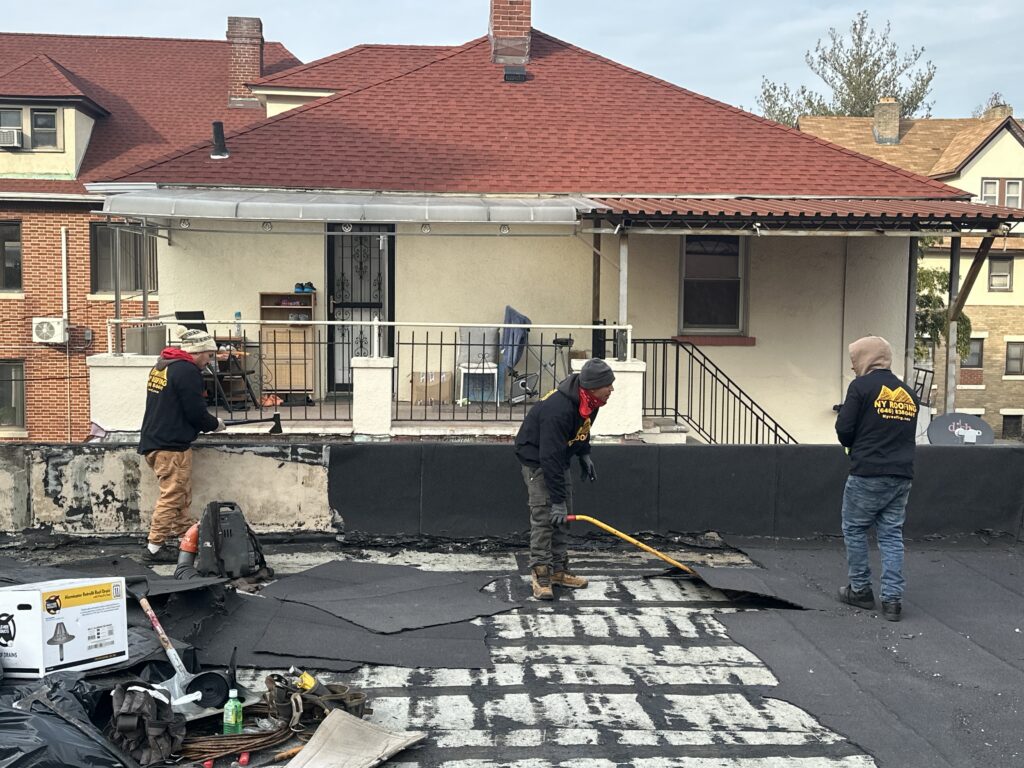
Storm Damage Roof Repair in NYC: What to Do After a Hurricane, Heavy Rain, Snow, or Storm
Storm damage roof repair in NYC is often urgent because New York roofs face harsh weather from every direction. Hurricanes, nor’easters, heavy rain, snow, ice, high winds, and freeze-thaw cycles can damage shingles, flat roof membranes, flashing, drains, gutters, skylights, parapet walls, and roof penetrations. For NYC homeowners, landlords, and commercial property owners, storm damage is not always easy to see right away. A roof may look fine from the street while water is already entering behind walls, under membranes, or into attic insulation. Delaying repairs can increase the risk of structural damage, mold growth, interior leaks, electrical hazards, and insurance claim problems. This guide explains what storm damage looks like, what to do immediately after a storm, how emergency roof works, when temporary roof tarping is needed, how professionals inspect storm-damaged roofs, what affects repair cost, and how to prevent future roof damage. Why Storm Damage Roof Repair Is Critical in NYC NYC roofs face dense buildings, older structures, wind pressure, flat roof drainage issues, and harsh seasonal weather. Fast storm damage roof repair helps prevent small roof problems from becoming expensive property damage. NYC’s Unique Roofing Challenges New York City roofs are different from many suburban roofs. Flat and low-slope roofing systems are common across Brooklyn, Queens, the Bronx, Manhattan, and commercial areas. These roofs need working drains, scuppers, flashing, and waterproof membranes to move water properly. Older buildings create additional risk. Many Brooklyn brownstones, row homes, and multi-family buildings have aging roof decks, parapet walls, skylights, and older flashing systems. When storms hit, weak areas can open quickly. Wind tunnels between buildings can also increase pressure on roofing materials. High winds may lift shingles, loosen flashing, damage membrane edges, and move debris across the roof. Freeze-thaw cycles make things worse by expanding small cracks and turning minor openings into active leaks. What Happens If Storm Damage Is Ignored Ignoring storm damage can lead to hidden leaks. Water may enter through a small opening and travel under roofing layers before showing up as a ceiling stain. By the time the leak becomes visible, insulation, decking, or interior finishes may already be damaged. Mold growth is another major concern. Moisture trapped in ceilings, walls, or insulation can create musty odors and indoor air quality problems. In commercial or multi-family buildings, this can affect tenants, employees, and customers. Structural weakening can also happen when water reaches roof decking or framing. Insurance issues may also arise if damage is not reported or documented quickly. Delayed reporting, missing photos, and undocumented temporary repairs can make roof insurance claim storm damage cases harder to support. Types of Storm Damage That Affect NYC Roofs Storms can damage roofs in several ways. Some damage happens suddenly, while other issues develop after water, snow, wind, or debris weakens an already aging roof system. Hurricane Roof Damage in NYC Hurricane roof damage repair may be needed when strong winds create uplift pressure. Wind can pull at roof edges, lift shingles, loosen membrane seams, and damage flashing around parapet walls or rooftop equipment. Flying debris can also puncture flat roof membranes, crack shingles, damage skylights, and loosen vents. Even small punctures can allow water to enter during heavy rain. Parapet damage is common on NYC buildings because many flat roofs are surrounded by masonry walls. If coping stones, flashing, or wall joints are damaged, water can enter behind the roof membrane and cause hidden leaks. Heavy Rain and Roof Leaks After Storms Roof leak repair after storm events is common when heavy rain exposes drainage problems. Flat roofs can develop ponding water when drains, gutters, or scuppers are blocked. Standing water places pressure on the roof membrane and may enter through seams or weak flashing. Heavy rain can also enter around roof penetrations such as vents, skylights, chimneys, and HVAC curbs. If sealants are old or flashing is loose, storm-driven rain can push water into the building. Interior ceiling stains, wet walls, peeling paint, and dripping water are signs that rain may already be moving through the roof system. Wind-Damaged Roof Shingles and Materials Wind damaged roof shingles often appear lifted, curled, cracked, or missing. Strong gusts can break the seal between shingles and expose the underlayment below. Once shingles are loose, the next storm can remove them completely. Asphalt roofs may also show granule loss after storms. Granules protect shingles from UV exposure and weathering. When they wash into gutters or collect near downspouts, the roof may be aging or storm damaged. Slate and tile roofs can also suffer displacement. Even one loose tile or slate piece can create an entry point for rain, especially during wind-driven storms. Ice and Snow Damage to NYC Roofs Snow and ice can damage NYC roofs even when there is no hurricane or major wind event. Snow buildup adds weight, and melting snow can refreeze near edges, drains, or roof details. Ice dams can push water under shingles or trap water on low-slope areas. On flat roofs, freeze-thaw movement can widen cracks in membranes and flashing. Heavy snow can also block drains and scuppers. When water cannot escape, it may pond on the roof and enter weak areas during thawing. Can Your Roof Withstand Hurricane Winds? A roof’s wind resistance depends on material quality, installation method, fastening, roof age, edge details, and maintenance history. Many storm failures begin at weak points such as edges, flashing, seams, and penetrations. Older roofs may not perform as well as newer systems, especially if shingles are brittle, membranes are loose, or fasteners have weakened. If your roof has missing shingles, open seams, loose flashing, or recurring leaks, it may not be ready for future storms. A professional inspection can identify whether upgrades, repairs, or replacement are needed to improve storm resistance. Warning Signs You Need Storm Damage Roof Repair Immediately Storm damage is not always obvious from the ground. After severe weather, homeowners should watch for interior and exterior signs that suggest water intrusion, structural stress, or roofing material failure. Storm damage warning signs