Blog

Shingle Roofing-Ny Roofing

Roof Coatings: Exploring The Benefits Of Reflective And Protective Coatings

A roof coating is one of the most practical ways to protect an existing roof, improve energy efficiency, and extend roof life without immediately replacing the full system. It creates a protective layer over the roof surface and helps defend against sunlight, rain, minor surface wear, and weather exposure. Roof coating solutions are becoming popular for both residential and commercial buildings because property owners want affordable ways to maintain roofs, reduce heat absorption, and delay costly replacement. Coatings can be especially helpful for flat roofs, metal roofs, RV roofs, and some commercial roof systems. Reflective roof coatings focus on heat and solar resistance. Protective roof coatings focus on waterproofing, durability, and surface protection. The right choice depends on roof type, condition, climate, and long-term goals. What Is a Roof Coating and How Does It Work? A roof coating is a liquid-applied protective layer installed over an existing roof surface. Once cured, it forms a seamless or semi-seamless barrier that helps protect the roof. Roof coatings are used to extend roof life, improve reflectivity, reduce surface wear, and support waterproofing. They are not the same as roof replacement. A replacement removes and rebuilds the roof system, while a coating restores and protects the existing surface. Roof coating services are often recommended when the roof is still structurally sound but needs added protection. If the roof has severe leaks, trapped moisture, rotten decking, or major membrane failure, coating alone may not be enough. There are different types of roof coatings, including elastomeric, silicone, acrylic, polyurethane, asphalt-based, and specialty coatings. Key Components of Roof Coatings Roof coatings are made from materials designed to bond with roofing surfaces and resist weather exposure. Common components include polymers, pigments, solvents, resins, and additives. Polymers help the coating stretch, seal, and stay flexible. Pigments can improve reflectivity and UV resistance. Additives may support waterproofing, adhesion, mildew resistance, or durability. A good roof coating should resist sunlight, rain, surface movement, and temperature changes. Some coatings are designed mainly for reflectivity, while others are built for waterproofing or heavy-duty protection. The coating must be compatible with the roof material for proper performance. Types of Roof Coatings Available Today Different coatings solve different roofing problems. The best roof coatings depend on the roof material, slope, drainage, climate, and level of protection needed. Residential and commercial roofs may use different systems. A homeowner may need coating for a metal roof, mobile home, or asphalt surface. A commercial building may need a stronger coating for a flat roof, industrial roof, or roof with ponding water concerns. Choosing the right coating requires understanding roof condition first. A coating should not be applied over wet insulation, unstable materials, or active structural problems. Elastomeric Roof Coating An elastomeric roof coating is designed to stretch and move with the roof surface. This flexibility helps bridge small cracks and protect against normal expansion and contraction. Elastomeric coatings are commonly used on metal roofs, flat roofs, modified bitumen, built-up roofs, and some masonry or concrete roof surfaces. They are often white or reflective, which can help reduce surface heat. This coating type is useful when the roof needs flexibility and UV protection. It can also help reduce minor surface wear. However, elastomeric coating must be applied to a clean, dry, compatible surface. Poor preparation can cause peeling, bubbling, or weak adhesion. Silicone Roof Coating A silicone roof coating is known for strong water resistance. It is often used on flat and low-slope roofs where ponding water may be a concern. Silicone coatings can handle moisture well and are commonly used on commercial roofs, single-ply membranes, spray foam roofs, and aging flat roof systems. They also provide UV resistance and long-term weather protection. This type of coating is useful in rainy climates or on roofs where drainage is not perfect. However, silicone can attract dirt more easily than some other coatings, which may reduce reflectivity over time. Professional application is important because surface cleaning, primer use, and thickness all affect performance. Acrylic and Polyurethane Coatings Acrylic roof coatings are popular because they are cost-effective, reflective, and easy to apply on many roof surfaces. They work best where drainage is good and ponding water is not a major issue. Polyurethane coatings are often stronger against foot traffic, impact, and abrasion. They may be used on commercial roofs with more rooftop activity or mechanical equipment access. Acrylic is often chosen for reflectivity and budget-friendly coating projects. Polyurethane is usually selected when durability and surface toughness are more important. The right choice depends on roof traffic, climate, slope, and waterproofing needs. Reflective Roof Coatings and Their Benefits Reflective roof coatings are designed to reflect sunlight and reduce heat absorption. They are commonly used on flat roofs, metal roofs, commercial roofs, and hot-climate buildings. A reflective roof coating can help keep the roof surface cooler during sunny weather. This can reduce heat transfer into the building and improve indoor comfort. For commercial buildings, reflective coatings may support energy-saving goals. Large flat roofs can absorb a lot of heat, especially when dark surfaces are exposed to direct sunlight. Reflective coatings also help protect roofing materials from UV damage. UV rays can dry, crack, and age roof surfaces over time. A reflective layer helps reduce that stress. How Reflective Roof Coatings Improve Energy Efficiency Reflective coatings improve energy efficiency by reducing the amount of solar heat absorbed by the roof. When the roof stays cooler, less heat moves into the building. This can reduce HVAC load during warm months. Cooling systems may not need to work as hard, especially in buildings with large roof areas or poor attic ventilation. Reflective coatings are ideal for hot climates, sun-exposed roofs, and commercial buildings with high cooling demand. They work best when combined with proper insulation, ventilation, and roof maintenance. Energy savings vary by roof type, building use, climate, and coating quality. Protective Roof Coatings for Long-Term Durability Protective roof coatings are designed to defend the roof surface from weather, moisture, UV exposure, chemicals, and minor wear.

Roof Coatings: Exploring The Benefits Of Reflective And Protective Coatings Read More »
gutter-replacement - NY Roofing

Best Roofing Materials for NYC Homes & Buildings: A Complete Comparison Guide (2026)

Choosing the right roofing materials in NYC is one of the most important decisions for homeowners, landlords, and commercial property owners. New York buildings face heavy rain, snow, strong winds, summer heat, freeze-thaw cycles, rooftop equipment, and urban pollution. A roofing system that works well in a mild climate may not perform the same way on a Brooklyn brownstone, Queens home, Manhattan commercial building, or large warehouse roof. Roof materials also need to match the building type. Residential homes often use asphalt shingles, metal roofing, slate, or tile, while apartment buildings, retail properties, and commercial structures usually need flat roof materials like EPDM, TPO, PVC, modified bitumen, or built-up roofing. This 2026 guide explains what roofing material means, which factors matter in NYC, the most common types of roofing materials, how flat and sloped roofs compare, and how to choose the best roofing materials for long-term value. What Is Roofing Material? Roofing material is the outer protective layer of a roof system. It shields the building from weather, moisture, heat, wind, and long-term structural damage. Definition of Roofing Materials Roofing materials are the products used to cover and protect the roof structure. They form the weather-resistant surface that prevents rain, snow, ice, heat, and debris from entering the building. There is a difference between the roof structure and the roof covering. The structure includes the deck, framing, insulation, and support system. The roof covering is the visible or waterproof layer, such as asphalt shingles, metal panels, slate, tile, EPDM, TPO, PVC, or modified bitumen. Roof materials must be chosen carefully because they affect roof lifespan, maintenance needs, energy efficiency, weather protection, and overall property value. Why Roofing Material Selection Matters in NYC Roofing material selection matters in NYC because the city’s weather is tough on buildings. A roof must handle heavy rain, summer heat, snow, ice, wind, and pollution without failing early. Durability is important because roof repairs and replacements can be expensive. Energy efficiency also matters, especially for flat roofs and top-floor spaces that absorb heat during summer. Maintenance and lifespan should also guide the decision. A cheaper material may cost less upfront, but it may need more frequent repairs. Local building codes, property type, roof slope, and contractor recommendations should also be considered before selecting any roof material. Key Factors to Consider When Choosing Roofing Materials in NYC The best roofing materials for NYC depend on climate, building use, roof design, budget, maintenance needs, energy goals, and long-term performance expectations. NYC Climate Performance Different types of roofing materials respond differently to NYC weather. Asphalt shingles can work well on sloped homes but may age faster under UV exposure, wind, and freeze-thaw cycles. Metal roofing can handle snow and rain well but needs proper corrosion protection in coastal areas. Flat roof materials must resist ponding water, heat, and membrane movement. TPO, EPDM, PVC, and modified bitumen are common because they are designed for low-slope roofing systems. In NYC, climate performance should always come before appearance alone. A roof that looks good but cannot handle local conditions may fail early. Building Type: Home vs Commercial Property Single-family homes often need materials that balance appearance, cost, lifespan, and weather protection. Asphalt shingles, shingle roofing material, slate, and tile may be considered depending on the home style and budget. Apartment buildings and mixed-use properties often need durable flat roof systems because many NYC buildings have low-slope roofs. Warehouses, retail buildings, and commercial properties may need TPO roofing material, EPDM roofing material, PVC, or modified bitumen. The right material depends on how the building is used, how much roof traffic is expected, and whether rooftop equipment is present. Roof Design: Flat Roof vs Sloped Roof Flat roofs and sloped roofs need different materials. Sloped roofs shed water faster, so shingles, metal, slate, and tile can perform well. Flat roofs need stronger waterproofing because water moves more slowly. The best flat roof materials are usually membranes or layered systems designed for low-slope surfaces. Roofing materials flat systems may include EPDM, TPO, PVC, modified bitumen, or built-up roofing. Using the wrong material for the roof design can cause leaks, ponding water, and early failure. Budget, Longevity & Maintenance Budget matters, but the cheapest material is not always the best choice. A low-cost option may require more repairs, shorter replacement cycles, or higher maintenance. Long-term investment is important. A higher-quality roofing material may cost more upfront but provide better durability, energy savings, and fewer emergency repairs. Maintenance should also be considered. Some roof materials need regular coating, seam checks, or flashing maintenance, while others require less frequent attention. Complete Roofing Materials List for NYC Homes & Buildings This roofing materials list covers the most common options used on NYC homes, apartment buildings, commercial roofs, warehouses, retail properties, and historic buildings. Asphalt Shingle Roofing Materials Asphalt shingles are one of the most common roof materials for residential homes in NYC. They are popular because they are affordable, widely available, and suitable for many sloped roof designs. Asphalt shingles come in different grades, including standard 3-tab shingles and architectural shingles. Architectural shingles are thicker and usually provide better durability and appearance. They are often preferred for homes where curb appeal matters. The main benefits of asphalt shingles include easy installation, broad style options, and reasonable repair costs. They are also familiar to many roofing contractors, which makes repairs and roof replacements easier. The drawbacks include limited performance on low-slope roofs, vulnerability to granule loss, and possible damage from wind, ice dams, and extreme heat. Asphalt shingles are best for sloped homes, row houses, and residential properties where the roof pitch supports proper water shedding. Metal Roofing Materials Metal roofing materials are known for strength, durability, and modern appearance. They can be used on residential homes, commercial buildings, and certain architectural projects. Roofing materials metal systems may include standing seam panels, metal shingles, aluminum, steel, copper, or coated metal products. The best option depends on building style, budget, and exposure to moisture or salt air. Metal roofing performs

Best Roofing Materials for NYC Homes & Buildings: A Complete Comparison Guide (2026) Read More »

Shingle Roofing - NY Roofing 01

Roof Financing in NYC: What to Know About Financing a Roofing Project

Roof financing is becoming more important for NYC homeowners, landlords, and property managers because roofing projects can be expensive. Between labor, materials, permits, building access, old roof removal, and emergency repairs, even a necessary roofing project can feel difficult to pay for all at once. In New York City, roofing costs are often higher than in smaller markets because buildings are dense, roof access can be limited, safety setup is important, and many properties have flat roofs, parapet walls, rooftop equipment, or aging structures. For homeowners dealing with leaks, storm damage, or full roof replacement, waiting too long can make the problem worse. That is why understanding roof financing options before starting a roofing project is helpful. Many roofing companies that offer financing make roof repair and replacement more manageable through monthly payment plans, lender-backed programs, and financing-friendly project options. This guide explains how roofing financing works in NYC, what options are available, what to ask contractors, how to compare financing plans, and when roof financing may be worth it. What Is Roof Financing and How Does It Work? Roof financing allows property owners to pay for roof repair or replacement over time instead of paying the full amount upfront. Terms depend on approval and lender requirements. Definition of Roof Financing Roof financing means using a loan, payment plan, credit program, or contractor-backed financing option to pay for a roofing project. Instead of paying the full roofing cost at once, the property owner makes monthly payments over an agreed period. Paying upfront may work for small repairs or owners with available savings. Financing can be useful when the project is large, urgent, or unexpected. It helps homeowners protect the property without delaying important repairs due to immediate budget pressure. Roof financing in NYC is commonly used for roof replacement, roof leak repairs, flat roof projects, storm damage work, and commercial roofing upgrades. How Roofing Financing Works in NYC Roofing financing usually begins with a roof inspection and project estimate. Once the contractor explains the repair or replacement scope, the property owner can review financing options. The application process may happen online, through a lender, or through roofing contractors that finance. Approval timelines vary, but many financing programs are designed to provide quick decisions. Roofing contractors that finance may work with third-party lenders or offer in-house payment options. The contractor usually handles the roofing work, while the lender manages the financing terms, payment schedule, and approval process. Who Qualifies for Roof Financing? Qualification depends on the lender or financing provider. Credit score, income, debt level, homeownership status, project amount, and payment history may all be considered. Some lenders may offer better terms to borrowers with stronger credit. Others may provide more flexible options, but the monthly payment, interest rate, and loan terms can vary. Property owners should review terms carefully before signing. A lower monthly payment may look attractive, but the total repayment amount can be higher if the term is long or the interest rate is high. Why Roof Financing Is Important for NYC Homeowners Roof financing NYC options help homeowners manage urgent repairs, planned replacements, and weather-related damage without draining savings or delaying essential roof protection. High Cost of Roof Replacement in NYC Roof replacement in NYC can be a major investment because of labor costs, material needs, roof size, building height, disposal, access challenges, and possible permit or inspection requirements. Flat roofs, shingle roofs, metal roofs, and commercial roofs all have different installation requirements. A roof with damaged decking, poor drainage, or old layers may cost more to correct properly. Financing gives homeowners a way to move forward with the right project instead of choosing a poor-quality temporary fix only because it costs less upfront. Emergency Roof Repairs & Unexpected Expenses Roof leaks often happen at the worst time. Heavy rain, wind, snow, ice, and freeze-thaw cycles can expose weak roofing areas quickly. A small leak may turn into ceiling damage, insulation problems, or structural concerns. Emergency roof repairs are stressful because they are usually unplanned. Roof financing can help property owners address urgent damage without waiting until they have the full cash amount available. For NYC homeowners, quick action is important. Delaying emergency repairs can increase the final cost and may even push the roof closer to replacement. Preserving Cash Flow While Protecting Your Home Monthly payments can help homeowners preserve cash flow. Instead of paying one large lump sum, the project cost can be spread over time. This can be especially helpful for landlords, co-op owners, small commercial property owners, and families who need to protect savings for other expenses. Roof financing does not make the project free, but it can make a necessary roofing project easier to plan and complete. Roofing Companies That Offer Financing in NYC Roofing companies that offer financing help property owners connect roofing estimates with payment solutions. The best companies explain both the roof work and financing clearly. How Roofing Companies Partner With Lenders Many roofing companies with financing partner with third-party lenders. These lenders review applications, determine approval, and provide payment terms based on the borrower’s profile. Some roofing companies may also offer in-house financing programs. These can vary widely, so homeowners should ask how payments work, who manages the financing, and what terms apply. The roofing contractor handles the inspection, estimate, and installation, while the lender or financing provider handles repayment details. What to Expect From Roofing Companies That Finance Roofing companies that finance may offer monthly payment plans, deferred payment options, promotional financing, or standard installment loans. Terms depend on lender approval and current program availability. Interest rates, loan duration, and approval speed can vary. Some applicants may qualify for better terms than others depending on credit profile and project amount. A trustworthy contractor should not pressure you into financing. They should explain the roofing scope first, then help you understand payment options. Finding Roofing Companies Near Me That Finance When searching for roofing companies near me that finance, choose a local NYC contractor with roofing experience,

Roof Financing in NYC: What to Know About Financing a Roofing Project Read More »

Shingle Roofing Background image 05- NY Roofing

DIY Roof Repair in NYC: Step-by-Step Guide, Flat Roof Kits & When to Call a Pro

DIY roof repair is becoming more popular in NYC as homeowners look for ways to control rising roof maintenance costs. Small leaks, minor cracks, loose flashing, and simple patching may seem manageable with basic tools and online guidance. For some small issues, a careful temporary fix can help reduce immediate water intrusion until a professional inspection is scheduled. But NYC roofs are not always simple. Buildings face heavy rain, snow, freeze-thaw cycles, summer heat, strong winds, and limited roof access. Flat roofs are common across Brooklyn, Queens, Manhattan, the Bronx, and Staten Island, and they require proper drainage, waterproofing, and safe repair methods. This guide explains what DIY roof repair can and cannot handle, how to approach minor repairs safely, what DIY flat roof repair kits include, what cheap DIY roof repair NYC solutions may actually cost, and when calling a professional roofer is the smarter long-term decision. What Is DIY Roof Repair? DIY roof repair means handling small roofing issues yourself using basic tools, repair materials, and guidance. It is best limited to minor, safe, and temporary roof problems. DIY roofing repair can include small leak patching, sealing tiny cracks, securing loose flashing, replacing a few damaged shingles, or applying temporary protection before professional service. The goal is usually to reduce immediate damage, not rebuild the roof system. A leaking roof repair DIY approach may help when the issue is small and easy to access. For example, a homeowner may seal a minor gap, clear debris from a roof edge, or apply a temporary patch on a low-risk roof surface. DIY roof leak repair tips from guides or videos can help homeowners understand the basics, but they should not replace professional judgment. Some roof types are more DIY-friendly than others. A low shed roof or small porch roof may be easier to inspect than a tall NYC home or apartment roof. Flat roof repairs can look simple, but hidden moisture, weak seams, and ponding water can make them more complicated. Free DIY roof repair NYC resources can be helpful for learning terms, identifying warning signs, and understanding materials. However, they should be used carefully. If the roof is high, wet, icy, steep, unstable, or actively leaking into electrical areas, DIY work is not safe. DIY roof repair may be reasonable for: Small cracks, tiny gaps, or minor surface damage that is easy to access safely Temporary leak control until a professional roofer can inspect the roof Loose flashing edges that do not involve major water damage or structural issues A few damaged shingles on a low, stable, and safely accessible roof Minor shed roof repairs where the roof is low and simple Basic debris removal from safe roof edges, gutters, or accessible drainage areas Safety First: What to Know Before Starting Roof Repair DIY Roof repair DIY projects can be dangerous without the right safety planning. NYC buildings often involve height, narrow access, wet surfaces, nearby structures, and legal restrictions. Essential Safety Gear for DIY Roof Repair Safety gear is the first requirement for any DIY roof repair attempt. Homeowners should use non-slip shoes, heavy-duty gloves, eye protection, and stable ladders. For higher roofs, fall protection may be necessary, but most homeowners are not trained to use it properly. Wet, icy, or moss-covered roofs should be avoided. Even flat roofs can be dangerous because water, debris, loose membranes, or soft spots can cause slips. A roof edge may also be closer than it appears when someone is focused on a leak. NYC building safety considerations are especially important. Many homes are attached, multi-level, or surrounded by limited space. If roof access requires climbing through a hatch, crossing a narrow edge, or stepping near skylights, a professional should handle the work. NYC Building Rules & Permissions NYC building rules and permissions can depend on property type, ownership structure, repair scope, and whether structural work is involved. A small temporary patch may be different from membrane replacement, deck repair, or major roof work. Apartment buildings, condos, co-ops, and rental properties may have restrictions on who can access the roof or perform repairs. Homeowners should check building rules, management policies, and insurance requirements before attempting DIY roofing repair. For anyone searching for the best DIY roof repair NYC option, safety and permissions should come before materials. If the work affects waterproofing, structure, shared property, warranties, or building compliance, hiring a professional is usually the better path. Step-by-Step DIY Roof Repair Guide A DIY roof repair should be limited to small, safe problems. The steps below are for basic temporary repairs, not major leaks, structural damage, or full roof restoration. Step 1: Identify the Roof Problem Start by locating the problem from inside and outside the building. Inside, look for ceiling stains, peeling paint, damp insulation, mold odors, or active dripping. The visible stain may not be directly below the roof opening because water can travel along decking, insulation, or framing. Outside, check for missing shingles, cracked sealant, loose flashing, punctures, open seams, clogged drains, or ponding water. Flat roof issues often appear near drains, scuppers, parapet walls, roof edges, skylights, vents, and HVAC curbs. For DIY roof leak repair, avoid guessing. Mark the suspected area, take photos, and compare interior damage with roof details above it. If the leak source is unclear or water appears in multiple places, call a professional. Step 2: Clean and Prepare the Area Before any repair material is applied, the area must be clean and dry. Remove loose debris, dirt, leaves, broken pieces, and old failed sealant if it can be done safely. Do not scrape aggressively if the roof surface is fragile. Drying the surface is critical. Most sealants and patches will not bond properly to wet, dirty, or unstable materials. If rain is expected soon, a temporary cover may be safer than applying a permanent patch in poor conditions. For flat roofs, also check whether standing water is present. If water continues to collect around the repair area, the patch may fail because the

DIY Roof Repair in NYC: Step-by-Step Guide, Flat Roof Kits & When to Call a Pro Read More »

Roof-repair -NY Roofing

The Step-by-Step Process of Professional Flat Roof Installation in NYC

Flat roof installation NYC projects require careful planning, proper materials, and experienced workmanship. In a dense city like New York, flat roofs are common on apartment buildings, commercial properties, brownstones, mixed-use buildings, porches, and smaller structures like sheds. These roofs are practical, but they must be installed correctly to handle rain, snow, drainage demands, rooftop equipment, and seasonal temperature changes. Professional flat roofing installation matters because a flat roof does not shed water like a steep roof. Even small mistakes in slope, seams, flashing, drainage, insulation, or membrane installation can lead to leaks, ponding water, mold, structural damage, and costly roof repairs. Improper flat roof construction can also reduce energy efficiency and shorten roof lifespan. This guide explains what flat roof installation means, how flat roof systems work, what happens before installation, the step-by-step process, common mistakes, cost factors, contractor selection, and maintenance after installation. What Is Flat Roof Installation? Flat roof installation is the process of building or replacing a low-slope roofing system using decking, insulation, waterproof membranes, flashing, and drainage details designed for long-term protection. Flat roof installation involves more than placing a membrane over a roof deck. A complete system usually includes a structural deck, insulation, vapor control where needed, waterproofing membrane, flashing, edge details, and drainage outlets. Each part must work together to keep water out and support building performance. Flat roofing installation is different from sloped roofing because water does not naturally run off as quickly. A sloped roof uses gravity and pitch to shed rain and snow. A flat roof needs carefully designed slope, drains, scuppers, gutters, and waterproof details to move water away. In NYC, professional installation is especially important because buildings face heavy rain, snow, freeze-thaw cycles, rooftop equipment, close property lines, and access challenges. Flat roofs are commonly used on commercial buildings, apartment properties, row homes, porches, garages, and sheds. Understanding Flat Roof Systems Before Installation Before installing a flat roof, property owners should understand the system type, material options, building use, and structural needs. The right system depends on performance goals. What Is Flat Roof Construction? Flat roof construction refers to the way a low-slope roof is built from the structural deck upward. Unlike pitched roofs, flat roofs rely on waterproof membranes and designed drainage rather than steep slope. A flat roof may look simple from above, but it is a layered system. The roof deck supports the assembly. Insulation improves energy performance. A membrane protects against water. Flashing seals edges, walls, drains, and penetrations. Flat roofs differ from sloped roofs because they need stronger waterproofing details. Water may sit longer on the surface, so seams, drains, and edges must be installed carefully. Types of Flat Roofing Installation Systems Used in NYC Several flat roofing installation systems are used across NYC. Single-ply membranes such as TPO, PVC, and EPDM are common because they are lightweight, flexible, and suitable for many residential and commercial buildings. Modified bitumen systems are also common. They are asphalt-based and often used on low-slope roofs where durability and layered protection are important. Built-up roofing, also known as BUR, uses multiple layers of bitumen and reinforcing materials. Each system has different strengths. TPO is often chosen for reflectivity. PVC is valued for strong seams and chemical resistance. EPDM is flexible and durable. Modified bitumen is tough and familiar for many NYC buildings. Commercial vs Residential Flat Roof Installation Commercial flat roof installation often involves larger roof areas, rooftop HVAC units, safety planning, drainage design, and more complex access. Commercial buildings may also require stronger coordination around tenants, business hours, and equipment. Residential flat roof installation may involve smaller roof areas, porches, row homes, brownstones, garages, or home additions. These projects still need professional waterproofing and drainage planning. Structural load and code considerations are important for both. A roof may need to support insulation, membranes, snow load, solar panels, rooftop equipment, or flat roof maintenance access. A professional evaluation helps ensure the roof is built correctly for its use. Pre-Installation Planning & Roof Inspection Planning comes before installation. A professional roof inspection helps identify roof condition, drainage needs, structural concerns, cost factors, access issues, and project requirements before work begins. Roof Evaluation & Structural Assessment The first step is evaluating the existing roof and structure. A roofer checks the roof deck, membrane condition, insulation, flashing, drainage, ponding water areas, interior leak signs, and overall roof age. Deck condition is especially important. If the deck is soft, rotted, rusted, cracked, or moisture-damaged, it must be repaired before the new roof is installed. Installing a new membrane over weak decking can cause early failure. Drainage and slope are also reviewed. Flat roofs need a clear water path toward internal drains, scuppers, or gutters. If ponding water already exists, the installation plan may need tapered insulation or drainage upgrades. NYC Building Codes & Permit Requirements Installing flat roof systems in NYC may involve code, permit, and inspection considerations depending on the project scope. Requirements can vary based on whether the work is a repair, replacement, structural change, insulation upgrade, or full roof system installation. DOB approvals and inspections may be needed for certain projects, especially when structural work, deck replacement, major roof replacement, or energy upgrades are involved. Property owners should not assume every project has the same requirements. A qualified contractor can help explain the compliance process, coordinate documentation when needed, and make sure the roof installation follows applicable standards and manufacturer requirements. Flat Roof Installation Cost Planning Flat roof installation cost depends on several factors. Roof size, material type, building height, access, labor, old roof removal, deck repairs, insulation, drainage upgrades, and flashing details can all affect pricing. A simple small roof installation may cost less than a large commercial project with rooftop equipment, limited access, or structural repairs. NYC buildings often have access challenges, which can affect labor and setup. Cost planning should also include long-term value. A cheaper installation may cost more later if drainage, insulation, or membrane details are weak. Professional installation helps reduce future

The Step-by-Step Process of Professional Flat Roof Installation in NYC Read More »

Shingle Roofing - NY Roofing

How NYC Weather Impacts Your Roof Lifespan: Rain, Snow, Heat & What to Do About It

New York City weather can be tough on every roofing system. From heavy rain and snow to summer heat, UV exposure, coastal moisture, and strong winds, roofs in NYC face constant stress throughout the year. These conditions can shorten roof lifespan, especially when the roof has poor drainage, aging materials, weak flashing, or limited maintenance. The average lifespan of a roof depends on the roofing material, installation quality, ventilation, insulation, and how often the roof is inspected. A roof in a mild climate may last longer than the same roof in NYC because New York buildings deal with freeze-thaw cycles, urban heat, heavy storms, and dense neighborhood conditions. Flat roofs, shingle roofs, asphalt roofs, and metal roofs all respond differently to NYC weather. This guide explains how rain, snow, heat, wind, and storms affect the lifespan of roof systems, what warning signs homeowners should watch for, and how preventive maintenance can help extend your roof’s service life. Understanding Roof Lifespan in NYC’s Climate Roof lifespan depends on material, weather exposure, installation quality, and maintenance. In NYC, harsh seasons and dense urban conditions can speed up roofing material aging. What Is Roof Lifespan? Roof lifespan refers to the length of time a roofing system can continue protecting a building before major replacement becomes necessary. It is not only about age. A roof may be older but still functional, or newer but already failing due to poor installation or storm damage. There is a difference between expected lifespan and actual lifespan. Expected lifespan is the general range a roofing material may last under normal conditions. Actual lifespan depends on real-world exposure, maintenance, repairs, ventilation, drainage, and weather stress. The average lifespan of roof systems is affected by several factors. Climate is one of the biggest. NYC’s rain, snow, ice, heat, wind, and humidity can all reduce performance over time. Roofing material lifespan also varies. Flat roof membranes, asphalt shingles, slate roof, and metal all age differently. Installation quality matters just as much as material. A premium roofing product can fail early if flashing, drainage, underlayment, or ventilation is installed poorly. Maintenance frequency also plays a major role because small problems become serious when ignored. Average Lifespan of a Roof in NYC The average lifespan of a roof in NYC can be shorter than in milder regions because roofs experience stronger seasonal stress. Urban buildings face moisture, pollution, rooftop equipment, shade, heavy rain, snow, and summer heat. Flat roofs may have shorter lifespans when drainage is poor. Shingle roofs may age faster when ice dams, UV exposure, or wind damage affect the surface. Metal roofs may last longer, but coastal moisture and corrosion risks still need attention. NYC roofs experience accelerated aging because weather changes quickly. A roof may face snow and ice in winter, heavy rain in spring, strong sun in summer, and wind-driven storms in fall. This constant cycle causes expansion, contraction, cracking, moisture movement, and material fatigue. How Rain Impacts Roof Lifespan in NYC Heavy rain can shorten roof lifespan by exposing drainage problems, weak seams, damaged flashing, and old roofing materials. Water intrusion is one of the biggest roofing risks. Heavy Rainfall & Moisture Penetration Heavy rainfall affects roof lifespan by testing every waterproofing detail. If shingles, membranes, flashing, gutters, drains, or seams are weak, water can enter the roof system and begin causing damage. On flat roofs, water pooling is especially risky. When rainwater remains on the surface, it increases pressure on membranes and seams. Over time, this can lead to cracks, blisters, roof leak repair, and insulation saturation. Moisture seepage can also damage the roof deck. Once water reaches decking or structural materials, repairs become more complicated. A small leak may eventually lead to wood rot, mold, interior stains, and structural weakening. Impact on Flat Roof Lifespan Flat roof lifespan depends heavily on drainage. A flat roof should still have enough slope to move water toward drains, scuppers, or gutters. When water remains in low spots, the membrane ages faster. Ponding water can cause membrane blistering, seam failure, and surface deterioration. If drains are clogged with leaves, debris, roofing granules, or ice, water may sit for too long after storms. NYC flat roofs often have rooftop equipment, parapet walls, skylights, and roof hatches. Each detail creates a possible leak point. Regular roof inspection and drainage maintenance are essential for protecting flat roof lifespan. Rain Damage to Roof Shingles Rain can also shorten roof shingles life expectancy. Asphalt shingles are designed to shed water, but they depend on proper slope, underlayment, flashing, and secure installation. If shingles lose granules, curl, crack, or lift, rainwater can reach the layers below. Over time, repeated moisture exposure can weaken the underlayment and roof deck. Shingle roof lifespan may also be reduced by clogged gutters. When water backs up near roof edges, it can enter under shingles and cause hidden damage. This is especially common after storms or during seasons with heavy leaf buildup. Snow, Ice & Freeze-Thaw Cycles: A Major Threat to Roof Lifespan Snow, ice, and freeze-thaw cycles create major stress on NYC roofs. These conditions can damage shingles, membranes, flashing, drainage systems, and structural components. Snow Load Stress on Roofing Systems Snow adds weight to roofing systems. While roofs are designed to handle local weather conditions, older roofs or roofs with hidden damage may struggle when snow accumulates repeatedly. Flat roofs are more vulnerable when snow sits for long periods. If drains are blocked by ice or snow, melting water may collect on the surface and increase weight. This can stress the membrane and roof deck. Pitched roofs shed snow more easily, but they can still experience ice buildup along edges, valleys, and gutters. If the roof already has weak flashing or damaged shingles, snowmelt can enter the system. Ice Dams and Their Impact on Roof Shingles Ice dams form when heat from inside the building melts snow on the roof. The melted water runs down the roof and refreezes near colder edges. This creates a barrier that

How NYC Weather Impacts Your Roof Lifespan: Rain, Snow, Heat & What to Do About It Read More »

Background image 07- NY Roofing

Best Flat Roof Sealants & Reflective Coatings for NYC (2026 Guide)

Choosing the right flat roof sealant is one of the most important decisions for property owners dealing with leaks, cracks, seam gaps, and aging flat roof surfaces in New York City. NYC flat roofs face heavy rain, snow, ponding water, UV exposure, heat expansion, and sudden temperature swings throughout the year. A quality roof repair sealant can help stop localized leaks and protect weak areas before they spread. A reflective roof coating can provide broader surface protection, improve energy efficiency, and extend roof life when the existing roof is still in suitable condition. This 2026 guide explains the difference between sealants and coatings, the best flat roof sealant products by category, common NYC flat roof problems, coating options, cost factors, lifespan expectations, and when professional application is the smarter choice. What Is a Flat Roof Sealant & How Does It Work? A flat roof sealant is used to close small gaps, cracks, seams, and leak-prone areas. It helps waterproof targeted roof details before water causes deeper damage. Flat Roof Sealant Explained A flat roof sealant is a flexible waterproofing material used to repair small problem areas on flat and low-slope roofing systems. It is commonly applied around seams, flashing, penetrations, cracks, small punctures, roof edges, and minor roof leak repair points. The main purpose of sealant is to stop water from entering vulnerable areas. A good sealant bonds to the roofing surface and creates a flexible barrier that can move with the roof during expansion and contraction. Flat roof sealant products are often used for maintenance and repair, not full roof restoration. They work best when the roof surface is clean, dry, structurally sound, and the damage is limited. Difference Between Flat Roof Sealant & Roof Coatings Flat roof sealants and roof coatings are not the same. Sealants are used for localized repairs. They are applied to specific areas such as cracks, seams, flashing gaps, small punctures, and leak-prone details. Roof coatings are applied across a larger roof surface. A coating forms a protective layer over the roof to improve waterproofing, reflect sunlight, reduce UV damage, and extend roof performance. A flat roof repair sealant is best when the issue is small and targeted. A coating is better when the roof surface is aging, weathered, or needs full surface protection. If the roof has saturated insulation, structural damage, or widespread membrane failure, neither sealant nor coating may be enough. Common Flat Roof Problems in NYC That Require Sealants or Coatings NYC flat roofs face water, heat, snow, and urban wear. Sealants and coatings can help when damage is minor, but serious roof problems need professional inspection. Water Ponding & Standing Water Ponding water is one of the most common issues on NYC flat roofs. It happens when rainwater or snowmelt remains on the roof surface instead of draining properly. Standing water can weaken seams, stress membranes, and expose small cracks. Some sealants can help with minor leak points around ponding areas, but the real drainage issue must also be corrected. Silicone roof coatings are often preferred for roofs that experience occasional ponding because silicone handles standing water better than many other coating types. UV Damage & Heat Expansion NYC flat roofs are exposed to direct sunlight, summer heat, and urban heat island conditions. Over time, UV exposure can dry out membranes, weaken coatings, and cause roofing materials to lose flexibility. Heat also causes expansion and contraction. When a roof moves repeatedly, small cracks may appear around seams, flashing, or penetrations. A flexible sealant can help protect these weak areas. Reflective coatings help reduce heat absorption by reflecting sunlight. This can reduce surface temperature and slow weather-related aging. Small Leaks, Cracks & Membrane Separation Small leaks often begin around seams, flashing, drains, skylights, vents, and rooftop equipment. These areas move more than the rest of the roof and are more likely to fail over time. A flat roof sealant for leaks can be useful when the damage is limited. The best flat roof repair sealant depends on the roof material, leak location, surface condition, and whether the area is exposed to water, movement, or sunlight. Common flat roof problems that may need sealants or coatings include: Small cracks around seams, flashing, vents, skylights, or rooftop penetrations Minor leaks caused by membrane separation or aging sealant UV-related surface drying, fading, brittleness, or coating wear Occasional ponding water around low-slope areas or drainage points Small punctures caused by debris, foot traffic, or rooftop equipment work Weathered roof surfaces that still have a stable underlying membrane Best Flat Roof Sealant Products for Repairs (2026) The best sealant depends on the roof material and problem area. Silicone, acrylic, polyurethane, and rubber-based products each work better in different repair situations. Silicone Flat Roof Sealants Silicone flat roof sealants are known for flexibility, waterproofing, and strong resistance to UV exposure. They are often used on flat roofs because they can perform well in wet conditions and handle roof movement. Silicone sealants are especially useful around seams, small cracks, and details exposed to sun and water. They can remain flexible after curing, which helps them move with the roof surface during temperature changes. For NYC buildings, silicone is often a strong option where rain, snowmelt, and ponding water are concerns. However, the surface must still be cleaned and prepared properly. Poor surface prep can prevent strong bonding. Acrylic Flat Roof Repair Sealants Acrylic flat roof repair sealants are often used for minor repairs and surface touch-ups. They are generally cost-effective and easy to apply when conditions are dry and the roof is not exposed to constant standing water. Acrylic products can work well for small cracks, light surface repairs, and areas where reflectivity matters. Some acrylic products are also used with reflective coating systems. The limitation is water resistance. Acrylic sealants and coatings may not perform as well as silicone in areas with ponding water. For NYC roofs with drainage issues, a roofer should confirm whether acrylic is suitable before application. Polyurethane & Rubber-Based Sealants Polyurethane and

Best Flat Roof Sealants & Reflective Coatings for NYC (2026 Guide) Read More »

Flat Roof Drainage Solutions for NYC Buildings: Prevent Water Pooling & Accumulation

Flat roof drainage solutions are critical for NYC buildings because water does not naturally run off flat and low-slope roofs as easily as it does on pitched roofs. In New York City, heavy rain, snowmelt, aging roof systems, clogged drains, and older building structures can quickly turn minor drainage issues into serious roof problems. When water pools on a flat roof, it can weaken roofing membranes, damage seams, create leaks, saturate insulation, and increase structural stress. Over time, poor drainage may also lead to mold, interior water damage, roof deck deterioration, and costly repairs. For landlords, property managers, commercial building owners, and homeowners, ignoring drainage problems can also create insurance and compliance concerns. This guide explains what flat roof drainage systems are, why water accumulation happens, the most common drainage problems in NYC buildings, types of roof drainage systems, drainage design details, cost factors, maintenance tips, and how professional drainage upgrades can help protect your property. What Are Drainage Solutions for Flat Roofs? Flat roof drainage solutions are systems and design methods that move water off a low-slope roof. They prevent ponding, leaks, membrane stress, and long-term structural damage. Why Flat Roofs Are Prone to Water Accumulation Flat roofs are not completely flat, but their slope is much lower than a pitched roof. Because the slope is minimal, water needs carefully planned drainage paths to leave the roof surface. Water accumulation often happens when outlets are blocked by leaves, debris, ice, roofing granules, or construction materials. In NYC, debris can collect quickly because buildings are close together and roofs are exposed to wind-blown dirt, tree debris, and pollution. Settling and structural deflection can also create low spots. Over time, parts of the roof deck may sag slightly, allowing water to collect in certain areas. Poor drainage detail during installation can make this worse, especially when drains are placed too high or too far from low areas. How Flat Roof Drainage Systems Work Flat roof drainage systems work by directing water toward specific outlets. These outlets may be internal drains, scuppers, gutters, downspouts, or overflow drains. The roof surface must be sloped correctly so water moves instead of sitting. Some drainage systems rely mainly on gravity. Water flows across the roof and exits through drains or side-wall openings. Internal drain systems move water through pipes inside the building, while scuppers allow water to exit through parapet walls. Slope is one of the most important details. Even the best flat roof drainage outlet cannot work properly if water cannot reach it. Tapered insulation, crickets, saddles, and proper drain placement help create better water flow paths. Common Flat Roof Drainage Problems in NYC Buildings NYC flat roofs often suffer from ponding water, blocked drains, leaks, and aging drainage details. These problems can damage membranes, interiors, insulation, and long-term roof performance. Standing Water & Ponding Standing water, also called ponding water, is one of the most common flat roof drainage problems. It happens when water remains on the roof surface after rain or snowmelt instead of draining away. Many roof professionals treat water that remains for about 48 hours after rainfall as a warning sign, although the seriousness depends on roof design, weather conditions, and material type. Water that sits too long can weaken membranes, collect dirt, and accelerate aging. Ponding water also adds weight to the roof. If water repeatedly collects in the same spot, it can deepen the low area and make drainage worse. Over time, this can shorten membrane lifespan and increase leak risk. Roof Leaks & Interior Damage Pooling water increases the chance of roof leaks repair because it places constant pressure on seams, flashing, drains, and membrane details. Even a small weakness can allow water to enter the roofing system. Once water enters, it may travel through insulation or along the roof deck before appearing inside. Ceiling stains, bubbling paint, damp drywall, mold odors, and saturated insulation may all point to drainage-related roof damage. Interior damage can become expensive quickly. What begins as a small drainage problem may turn into ceiling repair, insulation replacement, mold cleanup, or structural roof repair if ignored. Code & Insurance Risks Flat roof drainage problems may also create code and insurance concerns. Building owners are expected to maintain roofing systems and prevent conditions that create water damage or structural risk. If a roof leak happens because drains were neglected, gutters were blocked, or ponding water was ignored for a long time, an insurance claim may become more difficult. Insurers may question whether the damage came from sudden weather or lack of maintenance. Professional inspections and flat roof maintenance records help protect property owners. They show that drainage issues were monitored and addressed before major damage occurred. Types of Roof Drainage Systems Used on Flat Roofs Several types of roof drainage systems are used on NYC flat roofs. The right system depends on roof size, slope, building design, and water volume. Internal Roof Drains Internal roof drains are one of the most common flat roof drainage systems in NYC. These drains collect water from the roof surface and send it through vertical pipes inside the building. They are often used on large flat roofs, commercial buildings, apartment buildings, and properties with parapet walls. Internal drains keep water away from exterior walls, which can help protect the building facade. The benefit of internal drains is that they can handle large roof areas when designed correctly. The downside is that clogs or pipe issues may be harder to access because parts of the system run inside the building. Regular cleaning and inspection are essential. Flat Roof Drainage Scuppers Flat roof drainage scuppers are openings through parapet walls or roof edges that allow water to leave the roof. They are often used as primary drainage on some buildings and as overflow protection on others. Scuppers are valuable because they provide a visible water exit point. If water is flowing through an overflow scupper often, it may signal that the primary drain system is blocked or undersized. In

Flat Roof Drainage Solutions for NYC Buildings: Prevent Water Pooling & Accumulation Read More »

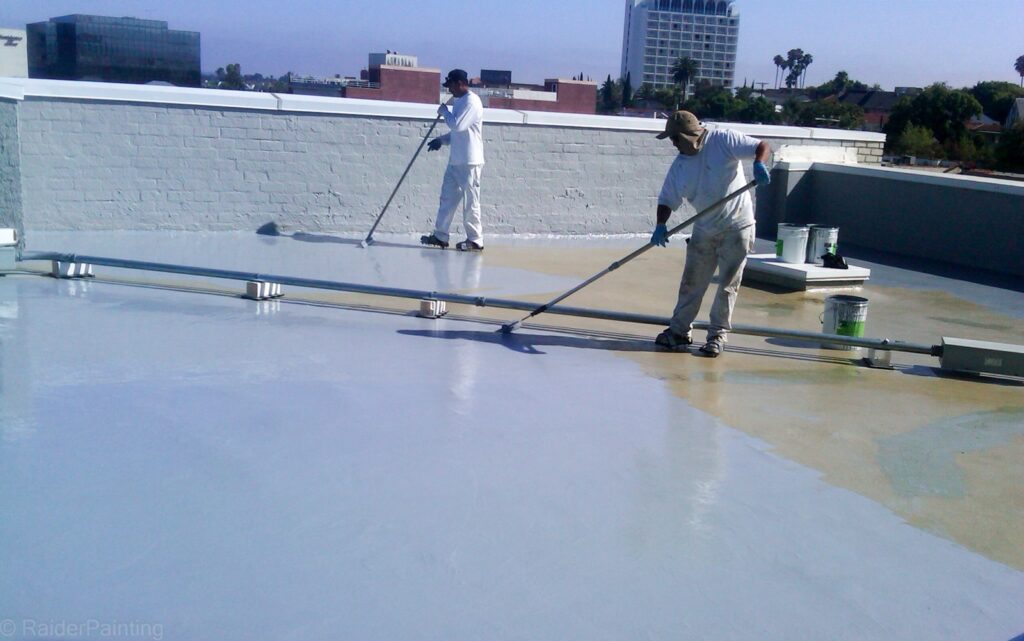
Two workers wearing hats and white clothing apply a waterproof coating to a flat rooftop using long rollers on handles. Paint cans and tools are nearby, and buildings are visible in the background under a clear sky.

Roof Blistering, Moss & Algae in New York City: Causes, Prevention & How to Fix Them

New York City roofs deal with a tough mix of weather and environmental stress. Humidity, snow, heavy rain, pollution, shade from nearby buildings, and freeze-thaw cycles can all affect roofing materials over time. Because of these conditions, Roof Blistering, Moss & Algae are common problems on both flat and sloped roofs. Roof blistering often appears as raised bubbles under membranes or shingles. Moss may grow in damp and shaded roof areas. Algae usually appears as dark streaks across shingles. At first, these issues may look cosmetic, but they can lead to moisture damage, leaks, roof surface breakdown, and costly roof repairs if ignored. This guide explains what roof blistering, moss, and algae are, why they happen in NYC, how to identify early warning signs, what DIY steps are safe, when professional repair is needed, and how to prevent these problems from returning. What Is Roof Blistering, Moss & Algae? Roof blistering, moss, and algae are different roof problems, but they all connect to moisture, heat, aging materials, and poor drainage. Understanding each issue helps property owners respond correctly. What Is Roof Blistering? Roof blistering is a roofing problem where raised bubbles or pockets form under the roof surface. These blisters may appear on flat roof membranes, asphalt shingles, or built-up roofing systems. They often form when moisture vapor or trapped air expands under heat. On flat roofs, roof blistering can happen when moisture is trapped beneath the membrane or within older roof layers. As the roof heats up, the trapped moisture expands and pushes the surface upward. On shingle roofs, blistering may appear as small raised areas or damaged spots where the protective surface begins to break down. Minor surface blisters may not always require immediate replacement, but serious roof blistering can weaken the roof and increase leak risk. If blisters crack, split, or spread, water may enter the roof system. For property owners searching for the best roof blistering moss & algae solutions, the first step is a professional inspection to identify the real cause. What Is Roof Moss? Roof moss is a small non-vascular plant that grows in damp, shaded areas. It does not have traditional roots like many plants, but it can anchor itself into roofing materials and hold moisture against the surface. Moss thrives on NYC roofs that receive limited sunlight, especially near trees, taller neighboring buildings, shaded roof slopes, and areas with poor drainage. It can grow on asphalt shingles, slate roof, tile, and even around flat roof edges where debris collects. The problem with moss is that it traps moisture. On sloped roofs, moss can lift shingles and allow water to move underneath. On flat roofs, moss and organic debris can hold water near seams, drains, or membrane edges. Learning how to keep moss from growing on roof surfaces is important for long-term roof protection. What Is Roof Algae? Roof algae is a type of organic growth that often appears as dark streaks or black stains on asphalt shingles. One common roof algae type is associated with Gloeocapsa magma, which can spread across damp roof surfaces and feed on certain components in shingles. Algae is different from moss. Moss is thicker, greener, and more plant-like. Algae is usually thinner and stain-like. While algae may not lift shingles in the same way moss can, it can affect appearance, hold moisture, and contribute to roof surface aging. Some homeowners search for a spray for moss on roof shingles and use the same products for algae. However, moss and algae may require different treatment approaches. The wrong chemical or high-pressure cleaning method can damage shingles and shorten roof life. Why Roof Blistering, Moss & Algae Are Common in NYC NYC roofs face humidity, snow, shade, pollution, and temperature swings. These conditions create the moisture and heat cycles that allow blistering, moss, and algae to develop. NYC Climate Conditions That Accelerate Roof Damage New York City has a climate that can be hard on roofing systems. High humidity allows moisture to linger on roof surfaces, especially during warm months. When a roof does not dry quickly, moss and algae are more likely to grow. Freeze-thaw cycles also increase roof stress. Water can enter small cracks, seams, or lifted shingles. When temperatures drop, the water freezes and expands. Over time, this movement can make existing damage worse and contribute to blistering, cracking, and leaks. Heavy rain and snow accumulation also play a role. Flat roofs can hold water if drains are blocked or slopes are weak. Sloped roofs may develop moisture pockets under shingles if flashing, ventilation, or underlayment is failing. These conditions make NYC roofs more vulnerable to organic growth and material damage. Urban Factors That Increase Moss & Algae Growth NYC buildings are often close together, which means many roofs do not receive full sunlight. Shaded roofs dry more slowly after rain or snow. This creates ideal conditions for moss and algae. Tree-lined neighborhoods can also increase moss growth. Leaves, branches, and organic debris collect on roofs and in gutters. This debris holds moisture and gives moss a place to spread. Air pollution may also contribute to dirty roof surfaces and organic buildup. Dust, soot, and airborne particles can settle on shingles and membranes. When combined with moisture, these particles may create a surface where algae and moss can spread more easily. Common Causes of Roof Blistering Roof blistering usually develops when moisture, heat, poor ventilation, or installation issues affect the roof system. Finding the cause is important before choosing a repair method. Trapped Moisture Beneath Roofing Materials Trapped moisture is one of the most common causes of roof blistering. Moisture may enter during installation if materials are applied over wet insulation, damp decking, or old roofing layers that were not properly dried. Older roofs are especially vulnerable. If previous roof layers are holding moisture, new repairs or coatings may trap that moisture beneath the surface. When the sun heats the roof, the moisture expands and creates raised blisters. Flat roofs are more likely to experience

Roof Blistering, Moss & Algae in New York City: Causes, Prevention & How to Fix Them Read More »

Masonry 02 - NY Roofing

The History & Future of Roofing: From Ancient Flat Roofs to Modern High-Performance Systems

Roofing has always been one of the most important parts of human shelter. Long before modern homes, commercial buildings, and engineered roof systems, people needed protection from rain, heat, wind, snow, and harsh outdoor conditions. The roof became the first line of defense between people and the environment. The history of roofing is also the history of human progress. As civilizations changed, roofing materials changed with them. Early communities used mud, clay, stone, timber, grass, and animal hides. Later, builders developed slate roofs, wooden shingles, metal roofing, asphalt shingles, and advanced flat roof membranes. Today, roofing is no longer just a cover over a building. Modern roofing systems support energy efficiency, waterproofing, insulation, drainage, sustainability, and long-term building performance. From ancient flat roofs to smart roofing technologies, the evolution of roofing shows how climate, materials, and innovation shaped the way buildings are protected. What Is Roofing? Roofing is the material and construction system used to cover the top of a building. It protects the structure from weather, heat, moisture, and long-term environmental damage. Roofing as a Protective Building System Roofing is more than the visible outer layer. A complete roofing system may include roof decking, underlayment, insulation, waterproof membranes, flashing, drainage parts, shingles, tiles, coatings, or metal panels. Each layer has a purpose. The main goal of roofing is to keep water out. However, roofing also protects against sun exposure, wind pressure, snow load, heat transfer, and structural deterioration. A weak roof can allow moisture to enter the building, causing mold, rot, insulation damage, and interior repairs. Common Roofing Systems Common roofing systems include flat roofs, sloped roofs, residential roofs, commercial roofs, and industrial roofs. Flat roofs are often used on commercial and urban buildings because they provide usable space and easier equipment access. Sloped roofs are common on homes because they shed water naturally. Residential roofing often uses shingles, slate, tile, or metal, while commercial roofing often uses built-up roofing, modified bitumen, EPDM, TPO, PVC, or other membrane systems. Uses of Roofing Roofing serves many purposes beyond covering a building. It protects people, supports structure, improves comfort, and helps buildings perform better in different climates and conditions. Protection From Weather Elements The most basic use of roofing is protection from weather. A roof shields buildings from rain, snow, wind, hail, UV rays, and temperature extremes. Without a strong roof, a building cannot remain dry, safe, or comfortable for long. In hot climates, roofing helps reduce heat exposure. In cold climates, it helps block snow, ice, and freezing air. In coastal or storm-prone areas, roofing must also resist wind uplift and water intrusion. Structural Safety and Building Integrity A good roofing system protects the structure below it. When water enters a building, it can weaken framing, rot wood, corrode metal, damage insulation, and affect walls or ceilings. Roofing also supports load distribution. In snowy regions, roofs must handle added weight from snow and ice. In commercial buildings, roofs may support HVAC systems, solar panels, walkways, or green roof features. Energy Efficiency and Comfort Roofing helps regulate indoor temperature. Insulation, reflective surfaces, ventilation, and roof color can all affect how much heat enters or leaves a building. A well-designed roof can reduce heating and cooling demand. This improves comfort and may lower energy costs over time. Modern roofing systems are often designed with energy efficiency in mind, especially in dense urban areas. Roofing systems are used to: Protect buildings from rain, snow, wind, sun, and temperature changes Prevent water infiltration, mold growth, and structural decay Support insulation, ventilation, and indoor comfort Improve energy efficiency through better thermal control Add curb appeal and long-term property value Support commercial equipment, solar panels, or green roof designs Advantages of Roofing Systems A strong roofing system provides long-term value by improving durability, reducing repair risks, increasing property appeal, and supporting energy performance for residential and commercial buildings. Durability and Longevity Modern roofing systems are designed to last for many years when installed correctly and maintained properly. Materials such as slate, metal, asphalt shingles, and single-ply membranes all offer different levels of durability. Durability depends on material quality, climate, installation, drainage, and maintenance. A roof that is properly designed for its environment will usually perform better and require fewer roof repairs. Cost Efficiency Over Time A quality roof can reduce long-term costs. While cheaper materials may lower upfront cost, they may require more frequent repairs or earlier roof replacement. Energy-efficient roofing can also reduce heating and cooling pressure. Over time, better insulation, reflective surfaces, and moisture control can help protect both the building and the owner’s budget. Enhanced Property Value A strong roof improves curb appeal, resale value, and buyer confidence. For commercial buildings, a reliable roof can protect inventory, tenants, equipment, and business operations. Roof condition is often one of the first things buyers, inspectors, and property managers consider. A well-maintained roof shows that the building has been protected and cared for. Origins of Flat Roofs in Early Civilizations Flat roof history begins with ancient civilizations that built practical shelters using local materials. Dry climates made flat roofs useful, durable, and easy to construct. The Earliest Flat Roof Designs The earliest flat roof designs used materials such as mud, clay, stone, reeds, timber, and packed earth. These materials were available locally and could be shaped into simple protective roof structures. Flat roofs were especially common in dry and hot climates because there was less rainfall to manage. Builders did not need steep slopes for water runoff, so flat surfaces were practical and efficient. The structural simplicity of flat roofs also made them useful. Early builders could create roofs with basic beams and compacted materials. These roofs provided shade, shelter, and sometimes usable outdoor living space. Flat Roofs in Ancient Mesopotamia and Egypt Flat roofs were common in ancient Mesopotamia and Egypt. In these regions, hot weather and limited rainfall made flat roofs suitable for everyday life. Roofs were often used as living, sleeping, and working spaces. Families could use the roof surface for cooling

The History & Future of Roofing: From Ancient Flat Roofs to Modern High-Performance Systems Read More »