Solar Panels and Roof: Best Roof Types, Installation Prep, Venting & Common Issues for NYC Homeowners
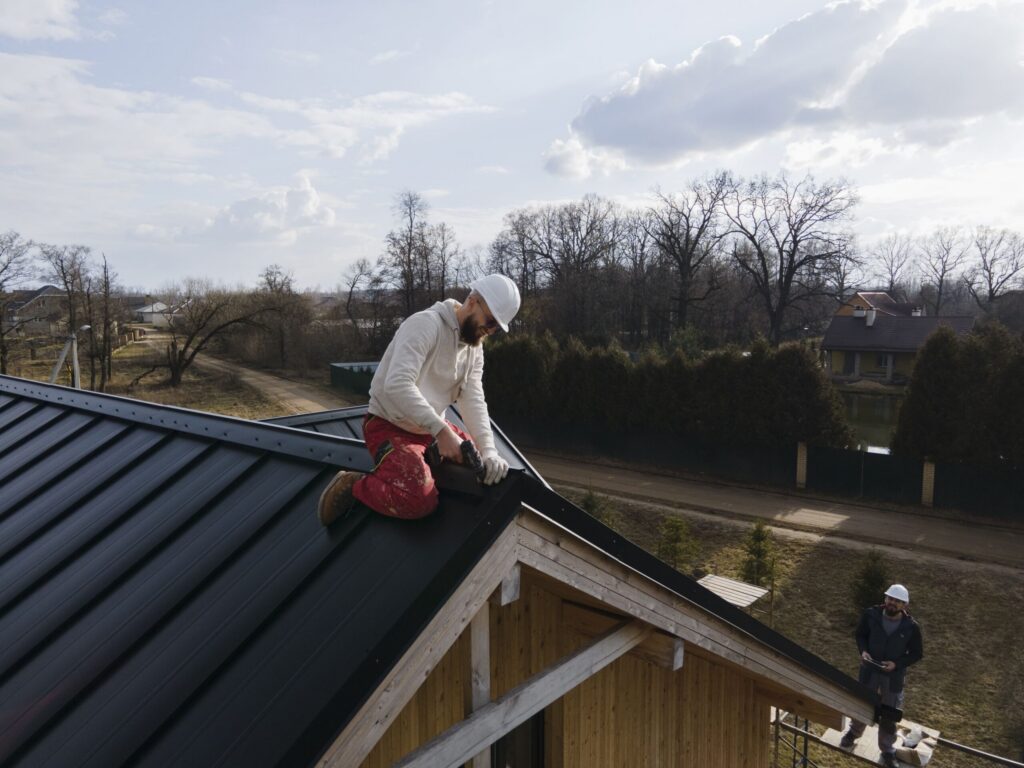
Installing solar panels is no longer just an energy decision—it’s a roofing decision too. For homeowners in New York City, where flat roofs, aging buildings, and strict building codes are common, understanding how solar panels and roof systems work together is essential before making an investment. Many homeowners focus on panel efficiency and incentives but overlook the most critical factor: roof readiness. Solar panels can last 25–30 years, while many roofs don’t. Without proper planning, this mismatch can lead to leaks, structural issues, and costly rework. This guide brings everything together—roof types, preparation steps, ventilation, benefits, challenges, and real-world installation risks—so you can make an informed, long-term decision. Why Roofing and Solar Panels Must Work Together Roofing and solar panels are not separate systems. Once panels are installed, your roof becomes significantly harder to access, repair, or replace. That’s why experienced professionals always evaluate roofing conditions before approving a solar installation. A complete Roof Inspection Checklist should be the first step in any solar planning process. This inspection assesses roof age, membrane condition, drainage performance, insulation, and structural integrity. Skipping this step often leads to avoidable problems later. From a structural perspective, solar panels add permanent weight to the roof. NYC homes must also handle snow loads, wind uplift, and seasonal expansion and contraction. A roof that is already weakened may not safely support solar systems long-term. Financially, coordinating roofing and solar work saves money. Removing and reinstalling panels for future roof repairs can cost thousands. That’s why homeowners who align roofing and solar upgrades see better ROI and fewer headaches. Benefits of Combining Roofing and Solar Planning When roofing and solar systems are planned together, homeowners unlock several long-term benefits: Extended roof lifespan due to proactive repairs Improved solar efficiency from proper orientation and ventilation Reduced maintenance costs Better warranty protection Increased home resale value This approach ensures that your roof supports solar panels—not the other way around. What Is the Best Roof for Solar Panels? Not all roofs are created equal when it comes to solar compatibility. Roof shape, material, age, and insulation all influence installation success. Asphalt Shingle Roofing and Solar Panels Asphalt shingles are common in residential NYC neighborhoods. Solar panels can be installed on shingle roofing, but timing matters. Ideally, shingles should have at least 15–20 years of remaining life. If your shingles are curling, cracked, or nearing the end of their lifespan, solar installation should wait until roof replacement. This is why many homeowners explore Shingle Roofing upgrades before going solar. Flat Roofs – The NYC Standard Flat roofs dominate NYC’s residential and multi-family buildings. They are often ideal for solar panels because they allow adjustable mounting angles to maximize sun exposure. However, flat roofs must be evaluated carefully. Drainage, membrane condition, and Flat Roof Insulation quality directly affect performance. Poor insulation can cause heat buildup that reduces panel efficiency and increases indoor cooling costs. Metal Roof and Solar Panels Metal roofs are among the best options for solar installations. Standing-seam metal roofs allow panels to be mounted without penetrations, reducing leak risk. Their lifespan also aligns well with solar panel longevity. Tile and Slate Roofs These materials are durable but heavy and complex. In many cases, roof replacement or reinforcement is recommended before installing solar panels. Advantages of Choosing the Right Roof for Solar Selecting the right roof type delivers key advantages: Lower installation risk Improved waterproofing Better energy output Reduced long-term repair costs Choosing from the Best Roofing Materials ensures your solar investment remains protected for decades. Pros and Cons of Solar Panels on Roofs Advantages of Solar Panels on Roofs Solar panels offer powerful benefits for NYC homeowners: Reduced electricity bills Protection against rising energy costs Increased property value Eligibility for federal and state incentives Lower carbon footprint When paired with proper roofing, solar panels can also shield parts of the roof from UV exposure and weather wear. Challenges and Disadvantages Despite their benefits, solar panels introduce challenges: Roof access becomes limited Improper installation can cause leaks Roof warranties may be affected Repairs often require panel removal These challenges highlight why working with a Trusted Roofing Contractor—not just a solar installer—is critical. Common Roof Issues When Installing Solar Panels Poor coordination between roofing and solar teams is the leading cause of solar-related roof damage. Leak Risks Roof Leaks repair often occur due to improper flashing or sealant failure around mounting points. Flat roofs are especially vulnerable if penetrations are not professionally sealed. Structural Stress Older NYC buildings may not be engineered for additional weight. Without proper load calculations, solar panels can strain roof framing. Warranty Conflicts Roof manufacturers may void warranties if panels are installed incorrectly. This is another reason roofing professionals must be involved from day one. How to Prepare Your Roof for Solar Panel Installation Preparation is the most important phase of any solar project. Roof Inspection and Evaluation A professional inspection identifies existing damage, insulation gaps, drainage issues, and structural weaknesses. This step ensures the roof can safely support solar panels. Repairs or Replacement Before Solar If repairs are needed, complete them first. Many homeowners choose roof replacement and solar panels together to avoid future panel removal costs. Permits and Compliance NYC requires strict permitting, fire setbacks, and structural approval. Proper preparation avoids costly delays and compliance issues. Roof Replacement and Solar Panels: Planning for the Long Term One of the most common questions homeowners ask is whether they should replace the roof before installing solar. If your roof has less than 15 years of life remaining, replacement is often the smarter option. While some marketing promotes free roof replacement with solar panels, these offers usually bundle costs into financing rather than eliminating them. A new roof and solar panels installed together create a unified system designed to last decades. Solar Panels and Roof Repair: What Happens Later? If roof repairs are needed after solar installation, panels may need to be removed. This process adds labor costs and risks system disruption. Preventive roofing work reduces this risk