
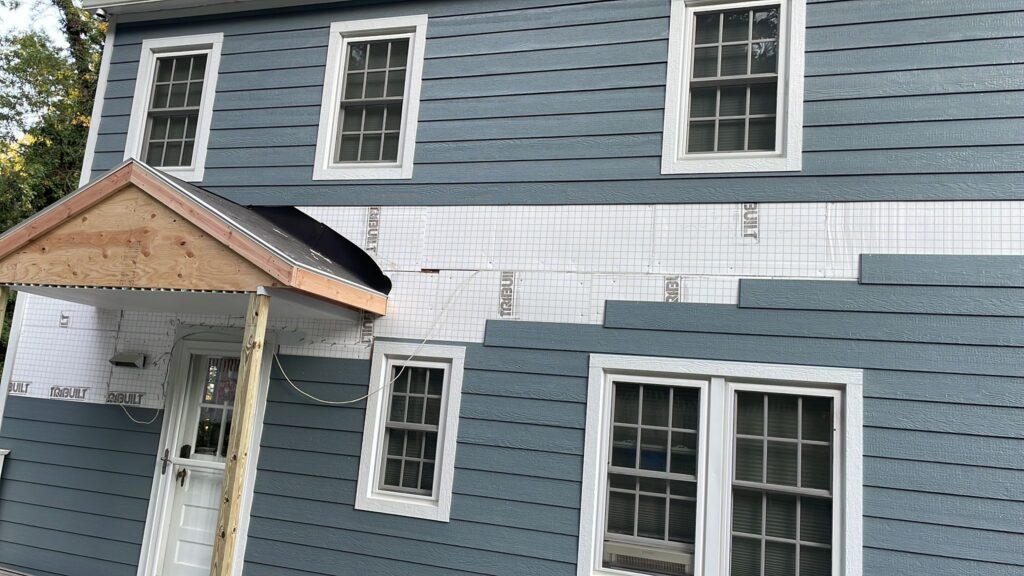
The Science Behind High-Performance Roofing Systems: A Comprehensive Exploration
High-performance roofing systems are designed to do more than simply cover a building. They protect the structure, improve energy efficiency, manage moisture, resist weather damage, and support long-term building performance. Modern buildings need stronger roof systems because climate conditions, energy costs, insulation standards, and sustainability goals have changed. A roof now plays a major role in comfort, durability, and operating expenses. A high performance roofing system may include advanced membranes, insulation, vapor barriers, roof sealants, drainage planning, reflective surfaces, and proper installation details. These components work together to create a roofing system that lasts longer and performs better. Learn About Roofing Materials for High Performance Roofing performance starts with materials. The right membrane, felt, insulation, sealant, and protective layer can improve durability, energy savings, and leak resistance. Component Purpose Best Use TPO membrane Reflective waterproof layer Flat and commercial roofs PVC membrane Chemical and moisture resistance Restaurants and commercial buildings EPDM membrane Flexible weather protection Low-slope and flat roofs Vapor barrier Moisture control Insulated roof systems Roof insulation Thermal performance Homes and flat roofs Roof sealant Leak protection Seams, flashing, and minor repairs Traditional vs Advanced Roofing Materials Traditional roofing materials such as asphalt shingles are still widely used on sloped homes. They are affordable, familiar, and suitable for many residential properties. However, they may not always provide the same energy performance or moisture control as advanced systems. Modern roofing materials include reflective membranes, synthetic underlayments, high performance roofing felt, advanced insulation boards, and reinforced waterproofing layers. These materials are designed to resist heat, moisture, UV exposure, and roof movement. High performance roofing felt is often used as an underlayment layer that adds protection beneath the main roofing surface. It helps improve water resistance and supports the roof assembly. Modern High-Performance Roofing Membranes A high performance roofing membrane is one of the most important parts of many flat and low-slope roofing systems. Common membrane options include TPO, PVC, and EPDM. TPO is often chosen for reflective performance and energy efficiency. PVC is valued for moisture resistance and strength in certain commercial roof settings. EPDM is flexible and useful for many flat roof applications. Each membrane has a different purpose. The best option depends on building use, climate, roof traffic, chemical exposure, drainage, and budget. A high performance roofing membrane should match the roof’s actual conditions, not just the lowest installation cost. Sealants and Protective Layers High performance roof sealant helps protect vulnerable areas such as seams, flashing, vents, skylights, drains, and small repair zones. These details are often where leaks begin. Sealants are not a roof replacement for proper roofing installation, but they are important for maintenance and waterproofing support. The sealant must be compatible with the membrane, flashing, or surface being repaired. Protective layers can also reduce weather damage. Coatings, reinforced membranes, and durable underlayments help the roof resist UV exposure, wind-driven rain, ponding water, and normal aging. The Right Way to Design and Install a Roof A high-performance roof is not created by materials alone. Design, installation, drainage, testing, and quality control all affect long-term performance. Roof Design Principles for Performance Strong roof design begins with understanding the building. The slope, drainage points, roof load, insulation level, wind exposure, and building use must be considered before materials are selected. For flat roofs, drainage is especially important. Even a low-slope roof needs a path for water to move toward drains, gutters, or scuppers. Poor drainage can lead to ponding water, membrane stress, and leaks. High performance homes roofing also depends on ventilation, insulation, moisture control, and thermal balance. A roof should protect the home while helping maintain indoor comfort. Installation Best Practices Even the best materials can fail if installation is poor. High-performance roofing systems require clean surfaces, correct fastening, proper seam work, compatible adhesives, and careful flashing details. Common mistakes include poor slope planning, weak seam sealing, incorrect insulation placement, incompatible materials, and rushed flashing work. These errors can shorten roof life and increase leak risk. Professional installation matters because roofers understand material behavior, manufacturer requirements, weather conditions, and building codes. A high-performance roof should be installed as a complete system, not as separate parts. Quality Control and Testing Quality control helps confirm that the roof system is installed correctly. This may include visual roof inspections, seam checks, moisture checks, drainage review, and final walkthroughs. Material compatibility is also important. Membranes, adhesives, sealants, fasteners, insulation, and vapor barriers must work together. Mixing products without checking compatibility can cause bonding failure or warranty issues. Warranties also depend on proper installation. Some manufacturers require approved products, correct methods, and documentation. Testing and inspection protect both the contractor and property owner. Why Vapor Barriers Are Important in Roofing Vapor barriers help manage moisture movement inside roofing systems. Without proper moisture control, flat roof insulation and roof assemblies can lose performance over time. Understanding Moisture Movement Moisture can move through air leaks, vapor pressure, condensation, and temperature differences. In many buildings, warm indoor air carries moisture upward toward the roof assembly. When warm moist air meets a cold surface, condensation can form. This is a serious issue in roof systems because trapped moisture can damage insulation, decking, fasteners, and membranes. Indoor and outdoor vapor pressure changes with climate and season. In cold weather, indoor moisture may move toward the colder roof assembly. In warm humid climates, moisture movement can behave differently. A high-performance roof must control this movement with smart design. Vapor Barriers in High-Performance Roofs A vapor barrier is used to reduce moisture movement into the roof assembly. It helps protect insulation and structural components from condensation-related damage. In high-performance roofs, vapor barriers are often placed in specific locations based on climate, roof type, and insulation design. Placement matters. A wrongly placed vapor barrier can trap moisture instead of controlling it. Vapor barriers work closely with high performance flat roof insulation. If moisture enters insulation, the insulation can lose thermal value. Wet insulation may also lead to mold risk, deck damage, and roof failure. For commercial flat roofs, vapor barriers
The Science Behind High-Performance Roofing Systems: A Comprehensive Exploration Read More »