
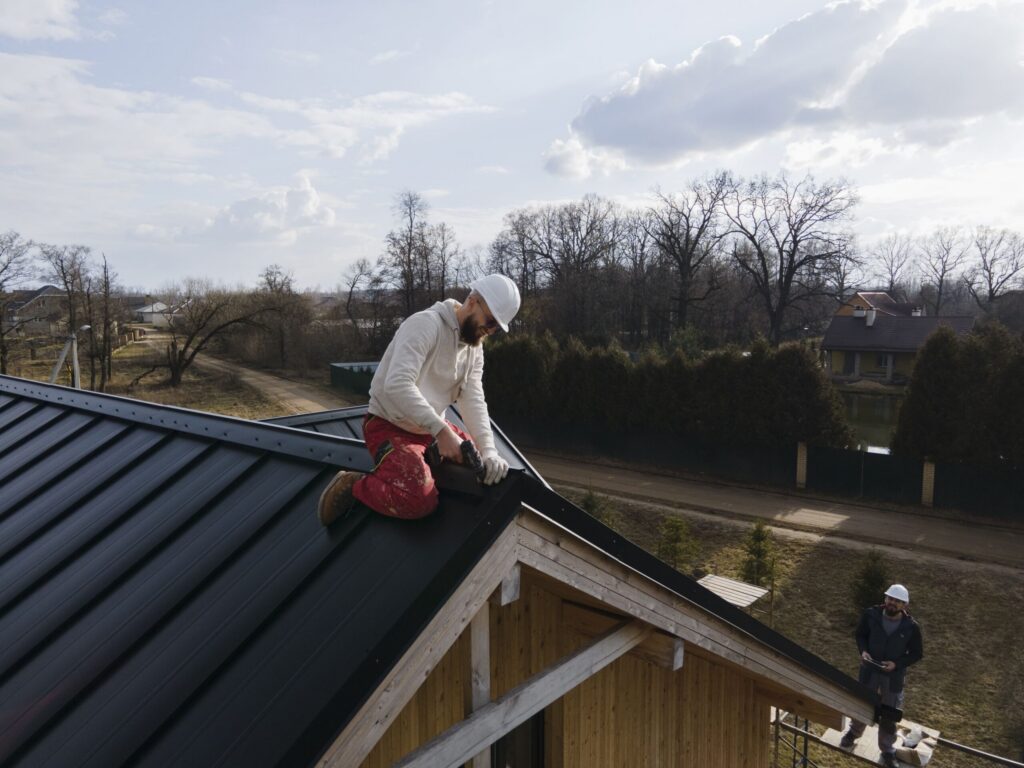
Roof Coatings: Exploring The Benefits Of Reflective And Protective Coatings
A roof coating is one of the most practical ways to protect an existing roof, improve energy efficiency, and extend roof life without immediately replacing the full system. It creates a protective layer over the roof surface and helps defend against sunlight, rain, minor surface wear, and weather exposure. Roof coating solutions are becoming popular for both residential and commercial buildings because property owners want affordable ways to maintain roofs, reduce heat absorption, and delay costly replacement. Coatings can be especially helpful for flat roofs, metal roofs, RV roofs, and some commercial roof systems. Reflective roof coatings focus on heat and solar resistance. Protective roof coatings focus on waterproofing, durability, and surface protection. The right choice depends on roof type, condition, climate, and long-term goals. What Is a Roof Coating and How Does It Work? A roof coating is a liquid-applied protective layer installed over an existing roof surface. Once cured, it forms a seamless or semi-seamless barrier that helps protect the roof. Roof coatings are used to extend roof life, improve reflectivity, reduce surface wear, and support waterproofing. They are not the same as roof replacement. A replacement removes and rebuilds the roof system, while a coating restores and protects the existing surface. Roof coating services are often recommended when the roof is still structurally sound but needs added protection. If the roof has severe leaks, trapped moisture, rotten decking, or major membrane failure, coating alone may not be enough. There are different types of roof coatings, including elastomeric, silicone, acrylic, polyurethane, asphalt-based, and specialty coatings. Key Components of Roof Coatings Roof coatings are made from materials designed to bond with roofing surfaces and resist weather exposure. Common components include polymers, pigments, solvents, resins, and additives. Polymers help the coating stretch, seal, and stay flexible. Pigments can improve reflectivity and UV resistance. Additives may support waterproofing, adhesion, mildew resistance, or durability. A good roof coating should resist sunlight, rain, surface movement, and temperature changes. Some coatings are designed mainly for reflectivity, while others are built for waterproofing or heavy-duty protection. The coating must be compatible with the roof material for proper performance. Types of Roof Coatings Available Today Different coatings solve different roofing problems. The best roof coatings depend on the roof material, slope, drainage, climate, and level of protection needed. Residential and commercial roofs may use different systems. A homeowner may need coating for a metal roof, mobile home, or asphalt surface. A commercial building may need a stronger coating for a flat roof, industrial roof, or roof with ponding water concerns. Choosing the right coating requires understanding roof condition first. A coating should not be applied over wet insulation, unstable materials, or active structural problems. Elastomeric Roof Coating An elastomeric roof coating is designed to stretch and move with the roof surface. This flexibility helps bridge small cracks and protect against normal expansion and contraction. Elastomeric coatings are commonly used on metal roofs, flat roofs, modified bitumen, built-up roofs, and some masonry or concrete roof surfaces. They are often white or reflective, which can help reduce surface heat. This coating type is useful when the roof needs flexibility and UV protection. It can also help reduce minor surface wear. However, elastomeric coating must be applied to a clean, dry, compatible surface. Poor preparation can cause peeling, bubbling, or weak adhesion. Silicone Roof Coating A silicone roof coating is known for strong water resistance. It is often used on flat and low-slope roofs where ponding water may be a concern. Silicone coatings can handle moisture well and are commonly used on commercial roofs, single-ply membranes, spray foam roofs, and aging flat roof systems. They also provide UV resistance and long-term weather protection. This type of coating is useful in rainy climates or on roofs where drainage is not perfect. However, silicone can attract dirt more easily than some other coatings, which may reduce reflectivity over time. Professional application is important because surface cleaning, primer use, and thickness all affect performance. Acrylic and Polyurethane Coatings Acrylic roof coatings are popular because they are cost-effective, reflective, and easy to apply on many roof surfaces. They work best where drainage is good and ponding water is not a major issue. Polyurethane coatings are often stronger against foot traffic, impact, and abrasion. They may be used on commercial roofs with more rooftop activity or mechanical equipment access. Acrylic is often chosen for reflectivity and budget-friendly coating projects. Polyurethane is usually selected when durability and surface toughness are more important. The right choice depends on roof traffic, climate, slope, and waterproofing needs. Reflective Roof Coatings and Their Benefits Reflective roof coatings are designed to reflect sunlight and reduce heat absorption. They are commonly used on flat roofs, metal roofs, commercial roofs, and hot-climate buildings. A reflective roof coating can help keep the roof surface cooler during sunny weather. This can reduce heat transfer into the building and improve indoor comfort. For commercial buildings, reflective coatings may support energy-saving goals. Large flat roofs can absorb a lot of heat, especially when dark surfaces are exposed to direct sunlight. Reflective coatings also help protect roofing materials from UV damage. UV rays can dry, crack, and age roof surfaces over time. A reflective layer helps reduce that stress. How Reflective Roof Coatings Improve Energy Efficiency Reflective coatings improve energy efficiency by reducing the amount of solar heat absorbed by the roof. When the roof stays cooler, less heat moves into the building. This can reduce HVAC load during warm months. Cooling systems may not need to work as hard, especially in buildings with large roof areas or poor attic ventilation. Reflective coatings are ideal for hot climates, sun-exposed roofs, and commercial buildings with high cooling demand. They work best when combined with proper insulation, ventilation, and roof maintenance. Energy savings vary by roof type, building use, climate, and coating quality. Protective Roof Coatings for Long-Term Durability Protective roof coatings are designed to defend the roof surface from weather, moisture, UV exposure, chemicals, and minor wear.
Roof Coatings: Exploring The Benefits Of Reflective And Protective Coatings Read More »