
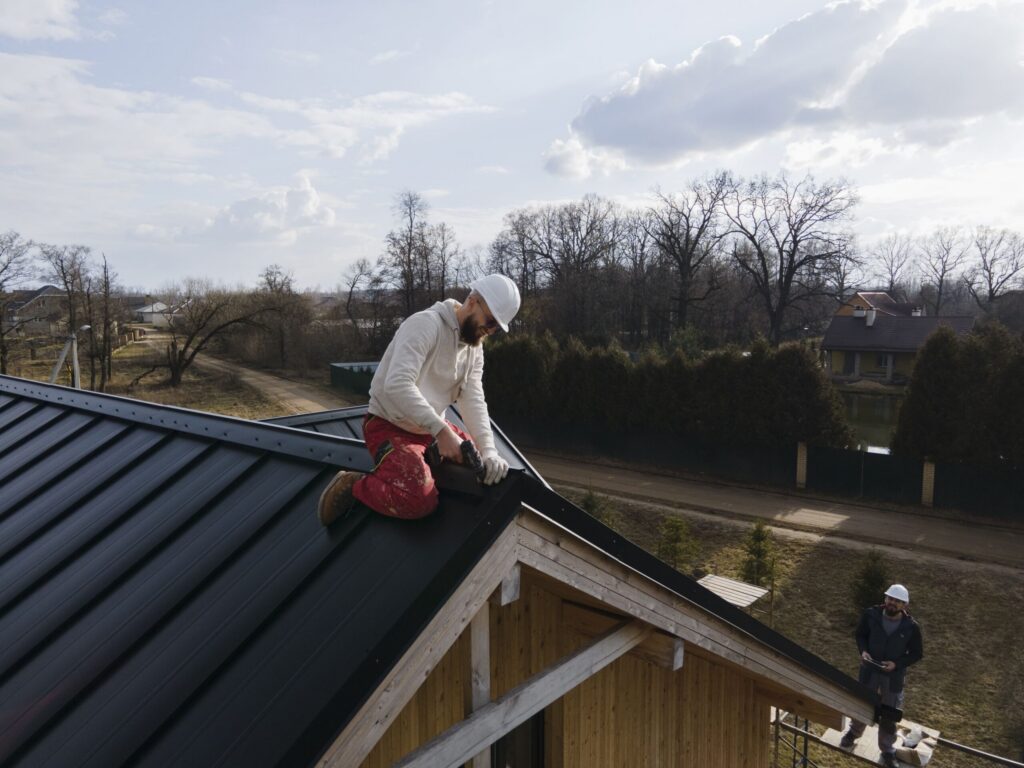
Flat Roof Ventilation Guide: How to Properly Vent Your Roof & Why It Matters
Flat roof ventilation is one of the most important parts of a healthy roofing system, yet it is often overlooked until problems begin to appear. In modern buildings, ventilation is not just about letting air move through the roof. It is about controlling moisture, managing heat, protecting insulation, and helping the roofing system perform the way it was designed to perform. A flat roof needs special attention because it does not ventilate in the same way as a pitched roof. Traditional sloped roofs often use ridge vents, soffit vents, and attic airflow to remove warm and humid air. Flat roofs usually have a lower slope, tighter assemblies, and fewer natural air movement paths. That means moisture and heat can become trapped if the roof is not planned correctly. Poor or missing ventilation can lead to condensation, mold growth, insulation damage, roof membrane issues, higher energy bills, and premature roof failure. In some buildings, it can also affect indoor comfort and air quality. This guide explains what roof ventilation is, how flat roof ventilation works, why it matters, what systems are commonly used, and how to choose the right ventilation approach for your building. What Is Roof Ventilation and How Does It Work? Roof ventilation is the controlled movement of air through or around a roofing system. Its main purpose is to remove excess heat and moisture before they can storm damage roof the roof structure, insulation, or indoor environment. In a well-designed roofing system, ventilation helps balance air pressure and temperature. It allows stale, warm, or humid air to escape while allowing fresh air to enter from another point. This airflow helps reduce moisture buildup and keeps the roof assembly more stable throughout seasonal changes. Basic Principle of Roof Ventilation The basic idea behind roof ventilation is simple. Air needs a way to enter and a way to exit. Intake ventilation brings fresh air into the system, while exhaust ventilation removes warm, moist, or trapped air. Warm air naturally rises. When that warm air carries moisture from inside the building, it can move toward the roof. If it reaches a cooler surface inside the roof assembly, condensation may form. Over time, that moisture can soak insulation, weaken materials, and create an environment where mold can grow. Proper ventilation helps reduce this risk by moving humid air out before it settles inside the roof system. The goal is not random airflow. The goal is balanced airflow that supports the roof design without allowing water intrusion, heat loss, or structural issues. Why Flat Roof Ventilation Is Different Flat roof ventilation is different because flat roofs do not usually have the same open attic space and natural air channels found in pitched roofs. Many flat roofs are compact systems where insulation, decking, membrane, vapor control layers, and interior ceiling materials are installed close together. This tight design can make moisture control more complicated. A flat roof may not have a traditional ridge or soffit system, and airflow may not move naturally without planned vents or mechanical support. Low-slope roofs can also hold heat longer, especially in sunny climates or on buildings with dark roofing materials. Because of these challenges, flat roof ventilation must be designed around the roof type, building use, insulation method, local climate, and moisture risks. Why Flat Roof Ventilation Matters Flat roof ventilation matters because it protects the roof from problems that often start silently. Moisture, heat, and trapped air may not cause visible damage right away. But over time, they can shorten the life of the roof and increase repair costs. A well-ventilated flat roof can help prevent condensation, improve comfort, support energy efficiency, and protect important roof components from early failure. Proper flat roof ventilation helps your roof by: Reducing trapped moisture, condensation, mold risk, insulation damage, and early roof membrane failure. Supporting better indoor comfort, lowering HVAC strain, and helping the roof last longer. Moisture Control & Condensation Prevention Moisture control is one of the biggest reasons flat roof ventilation is important. Everyday building activities such as cooking, bathing, laundry, heating, and occupancy can add moisture to indoor air. In commercial buildings, moisture may also come from kitchens, mechanical rooms, manufacturing processes, or high-occupancy spaces. When warm, moist air rises and reaches a cold roof surface, condensation can form. This is especially common during colder months when indoor air is warm and roof surfaces are cooler. If the roof assembly cannot dry properly, moisture can stay trapped inside. Temperature & Heat Regulation Flat roofs can trap a lot of heat. Because they have a broad surface area exposed to the sun, they can absorb and hold heat throughout the day. Without proper ventilation or heat management, this heat can transfer into the building and make indoor spaces uncomfortable. Heat buildup can also affect roofing materials. Some roof membranes, adhesives, insulation boards, and coatings may age faster when exposed to constant high temperatures. Proper ventilation helps reduce trapped heat and supports better temperature balance. In many buildings, better heat regulation can also reduce the load on the HVAC system. When the roof does not trap as much heat, cooling systems may not need to work as hard to maintain indoor comfort. Extending Roof Lifespan A flat roof is a major investment. Ventilation helps protect that investment by reducing the conditions that cause early failure. Moisture can damage insulation, weaken roof decking, and create hidden decay. Heat can accelerate membrane aging and cause stress on materials. When moisture and heat are controlled, the roof system has a better chance of lasting closer to its expected service life. Proper flat roof ventilation can help prevent rot, blistering, insulation breakdown, mold growth, and structural deterioration. The Impact of Poor Roof Ventilation Poor roof ventilation can create several problems inside and outside the building. Some signs may appear quickly, while others develop over months or years. The most common issues include condensation, mold, premature roof failure, indoor comfort problems, and higher energy bills. Once these issues begin, they can become expensive
Flat Roof Ventilation Guide: How to Properly Vent Your Roof & Why It Matters Read More »