Roofing

When To Consider Reroofing: Is Your Roof Due For An Upgrade?

When it comes to protecting you and your things from the weather, your roof is one of the most important components of your home. Wear and tear, on the other hand, might take its toll over time, and it’s possible that your roof will need to be upgraded. Despite the fact that it is a considerable expenditure, re-roofing by an expert roofer is necessary in order to guarantee the security, functioning, and longevity of your personal residence. In this post, we will explore the signs that indicate it is time to think about re-roofing, as well as the elements that should be taken into consideration before beginning such a project. Age of the Roof When assessing whether or not a new roof is required, the age of your roof is an important consideration to take into account. The lifespan of the majority of roofs ranges from twenty to twenty-five years, depending on the materials that are used and the quality of the installation. If your roof is getting close to or has already passed this timeframe, it is possible that it is time to think about having it replaced. The indicators of age on your roof, such as curling shingles, granule loss, or noticeable wear and tear, signal that it is time for an upgrade to ensure that it will continue to work properly even if it looks to be in good condition. Roofs that leak all the time One of the most evident indications that your roof need maintenance is the existence of leaks that occur often on the roof. It is a clear indication that your roof is damaged if you observe water stains on your ceiling, moist patches on your walls, or apparent water infiltration after rainfall. These are all signs that your roof is having problems. Roof leaks can cause substantial damage to the structure of your home, as well as to the insulation and possibly the electrical systems involved. In the case that repairs are no longer successful in avoiding leaks, reroofing will be required in order to keep a home that is sealed against water and secure. Shingles that are either damaged or missing Your roof is shielded from the elements, including wind, rain, and ultraviolet radiation, by shingles, which are the first line of defense against the elements. As a result of extreme weather, aging, or improper installation, shingles have the potential to become damaged, cracked, or even disappear over the course of time. If you see that a substantial number of your roof’s shingles are missing or damaged, this is a clear signal that the integrity of your roof has been compromised. It is possible to replace worn-out shingles through the process of re-roofing, which increases the likelihood that your roof will continue to offer sufficient protection against the elements. Roof Deck That Is Sagging Immediate attention is required since a drooping roof deck is a serious structural problem that needs to be addressed. Absorption of an excessive amount of moisture, insufficient support, or weakened roofing materials are frequently the causes of this condition. A strong indication that your roof deck has weakened and is no longer able to hold the weight of the roofing materials is a noticeable dip or sag in your roofline. If you happen to notice this, you should take immediate action. In order to restore the structural integrity and safety of your roof, it is required to re-roof it and address any structural faults that may have been present from the beginning. Concerns Regarding Energy Conservation Having an old roof or one that is not well insulated can have a substantial influence on the energy efficiency of your home. You should think about re-roofing your home if you have seen a large increase in the amount of money you spend on your energy bills or if you have difficulties keeping the temperature inside your home at an acceptable level. In order to improve energy efficiency, newer roofing materials and insulation technologies have been developed. These technologies and materials reduce heat loss during the winter and heat gain during the summer. When you re-roof your home using materials that are more energy-efficient, you can reduce your monthly energy bills while also creating a more comfortable living environment. Aspects With Regard to Appearance The appearance of your roof can have a big impact on the exterior appeal of your home, even though problems related to its appearance might not be as important as those related to its structure. It is possible for your roof to detract from the overall appearance of your property if it has severe discoloration, algae development, or evident symptoms of aging. By picking contemporary roofing materials, colors, and styles that suit your architectural design and personal taste, you have the potential to improve the aesthetic appeal of your home through the process of re-roofing. Conclusion In order to ensure the security, comfort, and longevity of your home, it is vital to have a roof that is both well-maintained and functional. To prevent potential structural damage, water infiltration, and energy inefficiency, it is essential to be aware of the circumstances in which reroofing should be considered. It is possible that it is time to undergo a reroofing job if your roof exhibits signs of aging, such as frequent leaks, broken shingles, a sagging deck, concerns regarding energy efficiency, or cosmetic issues because of the roof. A professional roofing contractor should be consulted in order to evaluate the current state of your roof and decide the most appropriate course of action in order to guarantee that your roof will continue to be long-lasting, functional, and visually beautiful for many years to come, a more sustainable and resilient living environment. Reach out to us at 553 Prospect Avenue Brooklyn NY 11215 (646)-838-0441 https://nyroofing.com to get expert reroofing services that will protect your home.

When To Consider Reroofing: Is Your Roof Due For An Upgrade? Read More »

Exploring Different Gutter Materials: Which One Is Right For Your Climate?

When it comes to selecting the ideal gutter material for your home, understanding the impact of your climate is essential. The diverse weather conditions experienced in different regions can significantly affect the performance and durability of your gutters. From extreme temperatures and heavy rainfall to snow and high humidity, each climate presents unique challenges. Consult with professional roofers or experts in gutter installation to determine the best material for your specific climate and ensure that your gutters effectively protect your home for years to come. In this article, we will look at gutter materials, exploring their suitability for various climates. Best gutter materials Aluminum Gutters: Aluminum gutters are a popular choice for many homeowners due to their lightweight nature and resistance to corrosion. They are suitable for a wide range of climates, including coastal areas with high humidity and regions prone to heavy rainfall. Aluminum gutters are also highly durable and can withstand temperature fluctuations without warping or cracking. However, in areas with extreme cold temperatures, aluminum gutters may be prone to damage from ice buildup or heavy snow loads. Vinyl Gutters: Vinyl gutters are affordable, lightweight, and resistant to rust and fading. They are an excellent choice for climates with mild to moderate rainfall and moderate temperatures. Vinyl gutters may not be suitable for regions with extreme temperature fluctuations, as they can become brittle in very cold conditions and may crack or break. Steel Gutters: Steel gutters are known for their strength and durability, making them suitable for regions with harsh weather conditions. They can withstand heavy rain, snow, and high winds. It is common knowledge that steel are prone to rust, hence why gutters made from steel require regular maintenance to prevent future corrosion. In coastal areas with saltwater exposure, stainless steel gutters may be a better option as they offer enhanced resistance to corrosion. Copper Gutters: Copper gutters are known for their shinny aesthetic appeal, sleekness and longevity. They develop a beautiful patina over time, adding an elegant touch to your home. Copper gutters are suitable for various climates, including areas with heavy rainfall and extreme temperature fluctuations. They are highly durable and resistant to corrosion. Zinc Gutters: Zinc gutters are another option for homeowners seeking a durable and low-maintenance gutter material. Zinc are resistant to corrosion and because of this, they can withstand extreme weather conditions. Zinc gutters are suitable for regions with moderate to heavy rainfall and can also handle temperature fluctuations effectively. Like copper gutters, zinc gutters develop a natural patina over time, giving them a unique and attractive appearance. Conclusion Selecting the right gutter material for your climate is essential to ensure the longevity and performance of your gutter system. Consider the weather conditions in your region, including temperature fluctuations, rainfall patterns, and humidity levels. Aluminum and vinyl gutters are versatile options suitable for various climates, while steel and copper gutters are better suited for regions with harsh weather conditions. Reach out to us at 553 Prospect Avenue Brooklyn NY 11215 (646)-838-0441 https://nyroofing.com to get a professional consultation on the right gutter material for your roof.

Exploring Different Gutter Materials: Which One Is Right For Your Climate? Read More »

Background image 05- NY Roofing

Roofing Materials Comparison: Asphalt Vs. Wood Shingles

During the search for roofing materials, the choices can be overwhelming. Among the many options available, two of the most popular choices are asphalt shingles and wood shingles. Each material has its own set of advantages and disadvantages, making it essential for homeowners to understand the differences between them before making a decision. Note that you should always ask for a roofing expert’s recommendation before deciding on any roofing material. In this article, we will compare asphalt and wood shingles in terms of durability, cost, aesthetics, and environmental impact to help you make an informed choice for your roofing needs Durability Asphalt Shingles: Asphalt shingles are renowned for their remarkable durability, which is a key reason behind their widespread popularity among homeowners. These roofing materials are engineered to withstand a diverse array of challenging weather conditions, making them a reliable choice regardless of where you live. Whether your region experiences heavy rain, strong winds, snowstorms, or even the risk of wildfires, asphalt shingles have proven their ability to stand up to the elements. The durability of asphalt shingles is further exemplified by their resistance to fire and insect damage. They offer a robust shield against the threat of fire, providing added safety and peace of mind to homeowners. Additionally, pests that might wreak havoc on other materials are less likely to affect asphalt shingles. This inherent resistance makes them a smart choice for areas prone to termite infestations and other wood-destroying insects. With proper maintenance and care, asphalt shingles can endure for an impressive 15 to 30 years. In fact, high-quality options often lean towards the upper end of this range, making them an investment in long-term protection for your home. This longevity can significantly reduce the frequency and cost of roof replacements, further solidifying their status as a durable and dependable roofing solution. Wood Shingles: Wood shingles, typically crafted from cedar or redwood, offer a unique blend of natural beauty and charm, but they come with durability considerations that differ from asphalt. While wood shingles can provide approximately 20 to 25 years of service life, they require more attention and care to maintain their longevity. One of the primary challenges faced by wood shingles is their susceptibility to environmental factors that can lead to decay. Without regular maintenance and treatments to resist rot, mold, and mildew, these shingles may deteriorate prematurely. This means that homeowners who opt for wood shingles need to be proactive in caring for their roofs, including periodic inspections and treatments to protect against moisture-related issues. Furthermore, wood shingles are more vulnerable to insect infestations, especially if they are not adequately maintained. While cedar and redwood are naturally more resistant to pests than other wood types, ongoing vigilance and maintenance are essential to protect your investment. Cost Asphalt Shingles: When it comes to cost-effectiveness, asphalt shingles are hard to beat. They are one of the most budget-friendly roofing materials available. Both the materials themselves and the labor required for installation are typically less expensive than their wood shingle counterparts. This affordability makes them an attractive choice for homeowners who are budget-conscious or looking for an economical roofing solution. Wood Shingles: In contrast, wood shingles come at a premium cost. The materials themselves are more expensive than asphalt, and the installation process can be more labor-intensive, contributing to a higher overall cost. While the initial investment is significantly greater, some homeowners are willing to pay the extra price for the natural beauty and charm that wood shingles bring to their homes. Aesthetics Asphalt Shingles: Asphalt shingles offer a broad range of colors and styles, allowing homeowners to choose a look that complements their home’s design. They can even mimic the appearance of other materials, such as slate or cedar. However, they lack the authentic and rustic charm of real wood shingles, which may be a drawback for those who prioritize aesthetics. Wood Shingles: One of the most significant advantages of wood shingles is their natural beauty and timeless appeal. They exude a classic, elegant look that enhances the aesthetics of a home. Over time, wood shingles weather to a silvery-gray color, adding to their character and appeal. If aesthetics are at the top of your priorities, wood shingles often win the choice. Environmental Impact Asphalt Shingles: Asphalt shingles are petroleum-based products, and their production has an environmental impact. The manufacturing process involves the use of fossil fuels and results in emissions of greenhouse gases. Additionally, the relatively shorter lifespan of asphalt shingles, typically around 20-30 years, contributes to more frequent replacements and waste in landfills. Wood Shingles: Wood shingles have the potential to be more environmentally friendly, especially when sourced from sustainably managed forests. Cedar and redwood shingles are often harvested with sustainability in mind. When properly treated and maintained, wood shingles can last longer than asphalt, reducing the frequency of replacements and waste. However, it’s crucial to choose certified sustainably sourced wood to minimize the environmental impact fully. Conclusion In the end, the choice between asphalt and wood shingles depends on a variety of factors, including your priorities, budget, and the specific needs of your home. If cost and durability are your primary concerns, asphalt shingles offer a cost-effective and reliable roofing solution. They can provide robust protection for your home and come in various styles and colors to match your aesthetic preferences. On the other hand, if aesthetics and natural beauty are your top priorities, and you’re willing to invest more upfront and in maintenance, wood shingles can provide a classic and timeless look that adds character to your home. Ultimately, the right choice depends on your unique circumstances and preferences.  Whether you opt for the affordability and durability of asphalt shingles or the timeless beauty of wood shingles, a well-maintained roof will protect your home and enhance its curb appeal for years to come, ensuring you make the most of your investment. Get top notch roofing experience at 553 Prospect Avenue Brooklyn NY 11215 (646)-838-0441 https://nyroofing.com

Roofing Materials Comparison: Asphalt Vs. Wood Shingles Read More »

Metal Roofing Vs. Asphalt Shingles

When it comes to roofing materials, homeowners often find themselves faced with the classic dilemma: metal roofing or asphalt shingles? Both options have their merits, but they also come with their own set of advantages and disadvantages. consulting with roofing professionals can provide valuable insights and help you choose the roofing material that best suits your home and needs. In this article, we’ll explore the pros and cons of metal roofing and asphalt shingles to help you make an informed decision for your home. Metal Roofing: Pros Durability: Metal roofing exceptional durability has never been questioned. It can withstand severe weather conditions, such as snow and heavy rain. Many metal roofs come with warranties that span several decades, making them a long-term investment. Longevity: Metal roofing can last 50 years or more, significantly longer than asphalt shingles, which typically have a lifespan of 15-20 years. This longevity means fewer replacements over the life of your home. Energy Efficiency: Metal roofs are highly reflective and can reduce heat absorption, keeping your home cooler during hot summers. This energy efficiency has many advantages but notably, it leads to lower cooling costs. Metal Roofing: Cons Cost: The initial cost of metal roofing is typically higher than asphalt shingles. However, the long-term savings in terms of durability and energy efficiency can offset this initial investment. Installation Complexity: Installing metal roofing requires a skilled and experienced individual. It’s essential to hire a professionals for proper installation. Noise: Some people associate metal roofs with noise during heavy rain or hailstorms. However, modern metal roofs are designed with insulation and underlayment to mitigate this issue. Style Limitations: While metal roofing comes in various styles and colors, it may not suit every architectural design. Some homeowners prefer the classic look of asphalt shingles. Asphalt Shingles: Pros Affordability: Asphalt shingles are more budget-friendly upfront. They are widely available and easy to install, reducing labor costs. Variety of Styles: Asphalt shingles come in a wide range of styles, colors, and textures, making it easier to match your home’s aesthetics. DIY-Friendly: For those with some DIY experience, asphalt shingle installation can be manageable, further reducing costs. Asphalt Shingles: Cons Shorter Lifespan: Asphalt shingles have a shorter lifespan compared to metal roofing, typically lasting 15-20 years. This means more frequent replacements and long-term costs. Maintenance: Asphalt shingles require regular maintenance, including inspections, cleaning, and occasional repairs. They are susceptible to mold, algae, and mildew growth. Environmental Impact: Asphalt shingles are not as environmentally friendly as metal roofing. They contribute to more landfill waste due to shorter lifespans and are made from non-renewable resources. In conclusion, the choice between metal roofing and asphalt shingles depends on your priorities and budget. Additionally, Whether you opt for the durability of metal roofing or the versatility of asphalt shingles, both options have their place in the world of roofing, offering homeowners reliable protection for their homes. Explore our roofing services at 553 Prospect Avenue Brooklyn NY 11215 (646)-838-0441 https://nyroofing.com and discover the perfect option for your home.

Metal Roofing Vs. Asphalt Shingles Read More »

How Roof Vents Prevents Condensation

Roof vents are also called attic vents; these vents ensure there’s a good quantum of tailwind and ventilation in your Home. The overall purpose of roof vents is to keep cool in the summer and dry during the colder months. Encouraging natural tailwinds and circulation makes your home comfier by supplying a way for hot, damp, or stale air to leave the house. Attic ventilation is important in both hot and cold climates. Unventilated or inadequately ventilated houses don’t have a getaway passage for the heat that builds up. This buildup of heat can ruin your shingles from the inside out. An evenly vented roof will allow the hot air to escape keeping your roof and attic cooler. Continued ridge vents are more effective because they’re installed at the peak of a roof’s ridge, allowing for entrapped tepid air to escape from the attic. It also works more because it allows external moving creating a vacuum when the wind blows over the top of the roof. This helps produce the right air balance in your home, which plays an important part in keeping your home comfortable. How condensation forms Condensation forms when warm, wettish air collides with cold exteriors. Eventually, the cold exterior can’t hold the redundant water and so condensation forms on the surface. We frequently see this passing on windows and other glass surfaces that act as a hedge between inside spaces and the out-of-door air and world. For illustration, imagine a cold winter morning and you’re starting your car. The cold air outside of your car cools down your windshield, so when you start the car (and turn on the heat) you’re creating an environment where the windshield is much cooler than the air inside your auto. The warm air from inside your auto heats the windshield until the exterior of the windshield starts to warm up. The cold air outside the auto meets the warm windshield and condensation forms. To get relieve of the “fog” you need to turn on the cold air to lower the windshield’s temperature and neutralize the difference between the outside air temperature and inside windshield temperatures. Now let’s look at an example of dangerous condensation. Imagine you’re taking a shower and the hot, wettish air comes into contact with the colder restroom walls. That clash causes condensation drips on your walls (something you’ve presumably endured firsthand). Wet restroom walls encourage mildew and mold growth which can, in turn, invoke respiratory problems and other ails. Industrial roofing condensation brings about similar issues. While mold growth is a real problem with commercial roofs, redundant moisture can also beget structural damage. That’s why we need to learn how to avert condensation as a building owner or homeowner. Condensation & Your Roof Condensation forms because your new roof stays colder than the air around your structure, particularly at night when the temperature drops (and your roof is cool) but the inside of the structure is being heated. The warm air in your structure rises to meet the colder roof and the excess moisture condenses on the underpart of the roof surface, generally on the underpart where the water driblets are out of sight and out of mind. That condensation can lead to corrosion, and at best, you’ll end up with a roof leak. At worst, your roof system is endangered, and there’s no reason to risk disaster and roof replacement when there are impeccably respectable ways to help condensation. When you install roof vents to combat the threat of condensation, the regulated roof temperature also helps constrain the temperature throughout the property. This can mean less energy consumption and thus lower energy bills. Some old houses will have plodded along for years without any authentic ventilation in their loft spaces but if you’re re-roofing it makes sense to consult your professional roofer about this. This will avert problems in the future. Occasionally it’s possible to have changes made to your home which impact the ventilation indirectly. For instance, upgrading from double glazing to triadic glazing will produce further humidity and warmth in the home, meaning that the current vents might not be suitable to manage. Situations like this can arise from adding further insulation anywhere in the home, fitting new glazing, having a baby or a permanent new occupant in the home and rising dampness. Spotting visible signs of condensation on the inside of your roof is an indicator that the roof isn’t duly ventilated. You may see driblets of water (occasionally known as ‘roof sweating’) or damp patches. You might also notice a musty smell or mold growing on old clothes or boxes stored in the attic. In an inadequately ventilated or unventilated roof, warm air can get trapped. Warm air is fluently generated during a normal day of living or working in a structure simple activity including cooking, raining and drying clothes produce redundant humidity in the air. When this air has nowhere to go, it causes condensation. This has become even more usual since people have been insulating their homes better (using insulation, windows etc.) without considering the correct ventilation for the age and type of the property. Conclusion in conclusion, condensation can reduce the life expectancy of your roof materials which is why roof vents are necessary. In the case of loft insulation, condensation can indeed cause damage (loft roll, for instance, can become ineffective if it gets too damp). In the short term, this can have minimal effect on your day-to-day life but in the long term, you’ll develop damp troubles which could amount to rotting timber in the roof and wetness leaking through the ceiling. Contact us now at 553 Prospect Avenue Brooklyn NY 11215 (646)-838-0441 https://nyroofing.com/ for inquiries and to get premium roofing services.

How Roof Vents Prevents Condensation Read More »

Best Solar Powered Roof Vents: Are Solar Powered Roof Vents Worth It?

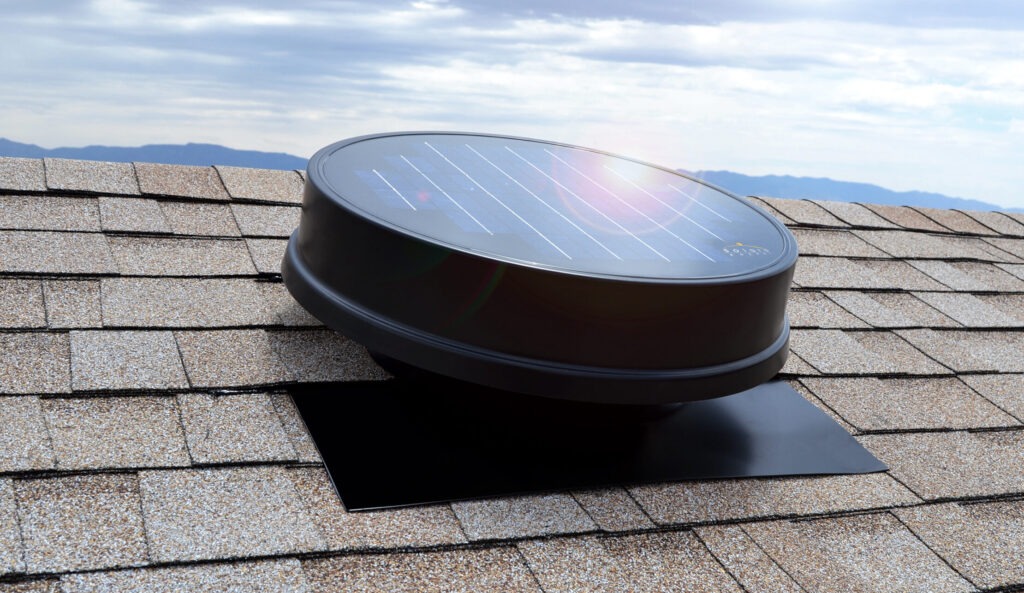
Solar powered roof vents are becoming a popular choice for homeowners who want better attic ventilation without adding more electricity use. These vents use sunlight to power a fan that helps remove trapped heat, moisture, and stale air from attic spaces. Many homeowners are switching to roof vents solar powered systems because they offer a cleaner, low-maintenance way to improve ventilation. They can help reduce attic heat, support roof health, and lower the strain on cooling systems during warm weather. This guide explains how solar powered roof vents work, their benefits, pros and cons, best product options, installation tips, cost value, and whether they are worth it for your home. What Are Solar Powered Roof Vents? Solar powered roof vents are attic ventilation systems that use solar energy to power an exhaust fan and move hot air out of the roof space. Unlike passive vents, which depend on natural airflow, solar vents actively pull air from the attic when sunlight powers the fan. This can help reduce heat buildup, moisture issues, and attic air stagnation. Solar powered roof vents are commonly used in homes, garages, sheds, workshops, and some commercial roof buildings. They are especially helpful where the attic gets hot during summer or where air movement is limited. A solar vent does not replace proper insulation, soffit ventilation, or roof maintenance. It works best as part of a balanced roof ventilation system. How a Solar Powered Roof Vent Fan Works A solar powered roof vent fan uses a small solar panel to collect sunlight and convert it into power for the fan motor. When sunlight hits the panel, the fan starts moving air from the attic to the outside. Most solar roof vents do not need wiring into the home’s electrical system. This means there are no direct electricity costs for daytime operation. Some hybrid models include an AC adapter or battery-style feature for cloudy weather or nighttime support. These vents are ideal for attics, garages, sheds, and spaces that trap heat. They work best when there is enough intake ventilation, such as soffit vents, so fresh air can roof replace the exhausted hot air. Difference Between Traditional & Solar Roof Vents Traditional roof vents are usually passive. They allow air to move naturally through the attic based on wind, temperature difference, and roof design. Examples include ridge vents, box vents, turbine vents, and soffit vents. Solar roof vents are active. They use solar power to run a fan, which creates stronger airflow than a passive vent in many situations. This can be useful when the attic has poor air movement. The main difference is performance control. Passive vents are simple and low-cost, but airflow depends on conditions. Solar vents can move air more consistently during sunny periods, but their performance depends on sunlight and fan capacity. Benefits of Solar Powered Roof Vents Solar powered roof vents can improve attic ventilation, reduce heat buildup, support energy efficiency, and provide a more sustainable ventilation option for homeowners. Energy Efficiency & Cost Savings Solar powered roof vents can reduce attic heat, which may help lower the workload on your cooling system. When the attic is extremely hot, that heat can transfer into living areas and make the home harder to cool. Because the fan runs on sunlight, daytime operation does not add to your electric bill. This makes solar vents appealing for homeowners who want better ventilation without increasing energy use. Savings depend on climate, insulation, attic size, roof design, and ventilation balance. A solar vent is most effective when the attic has proper intake airflow and the home already has good insulation. Eco-Friendly & Sustainable Ventilation Solar powered roof vents support eco-friendly ventilation because they use renewable energy from the sun. This makes them attractive for homeowners who want greener home upgrades. They can also support green building goals by reducing reliance on grid electricity for attic airflow. While a solar vent is a small system, it can be part of a broader energy-saving plan. When comparing solar roof vents pros and cons, sustainability is one of the strongest benefits. These vents provide active airflow during sunny hours while using clean energy, making them useful for eco-conscious homeowners. Solar Roof Vents Pros and Cons Solar roof vents offer clear benefits, but they are not perfect for every home. Their value depends on sunlight, attic design, installation quality, and ventilation needs. Advantages of Solar Powered Roof Vents Solar powered roof vents are popular because they improve airflow without standard electrical wiring. They can also help reduce attic heat and moisture when installed correctly. Main advantages include: Uses free solar energy for daytime ventilation Helps remove hot attic air during sunny weather Can reduce cooling system strain in warm climates Requires little direct electricity or wiring Supports eco-friendly home improvement goals Works well for attics, garages, sheds, and workshops These benefits make solar vents useful for homes with hot attic spaces, poor airflow, or high summer roof temperatures. They are especially helpful when combined with proper intake ventilation. Disadvantages to Consider The biggest limitation is sunlight dependence. A solar powered roof vent fan works best during sunny periods. On cloudy days, shaded roofs, or at night, performance may drop unless the model includes hybrid power support. Upfront cost can also be higher than passive vents. While solar vents may save electricity, homeowners still need to consider purchase price, flashing, installation, and roof compatibility. Poor installation can create leaks. Since installing a roof vent requires cutting into the roof, sealing and flashing must be done correctly. If the roof is old or damaged, professional roof inspection is recommended before installation. Best Solar Powered Roof Vents in 2026 The best solar powered roof vents in 2026 depend on attic size, roof type, airflow needs, build quality, warranty, and whether hybrid power is needed. Solar Roof Vent Best For Key Benefit Main Limitation Remington Solar Attic Vent/Fan Larger attics and roof-mounted use Multiple wattage options and strong coverage choices Higher-powered models cost more Natural

Best Solar Powered Roof Vents: Are Solar Powered Roof Vents Worth It? Read More »

PVC Roofing: Is PVC Good For Roofing

PVC is a perfect go-to option for replacing a roof with a low slope. However, it has its advantages and disadvantages. However, that doesn’t stop it from shading you and your family. Besides, is made of very solid materials (chlorine and ethylene). Read further to find out if PVC is good for roofing. What Is PVC? The full meaning of PVC is Polyvinyl Chloride which is made up of chlorine and ethylene. They are derived from natural gas or processed salt. It could be installed mechanically using plates and special screws and adhered together using a bonding adhesive such as the Fleece Back roof system. Additionally, just like TPO, the seams of PVCs are welded together using a heat welder. Advantages And Disadvantages Of PVC Polyvinyl Chloride has its advantages and disadvantages. Those are major factors that determine whether or not they’re good for roofing. Let’s go over some of them. Advantages Of PVC Below are some of the major advantages of using PVC for roofing: Variety of Colors PVCs are designed in different colors. Aside from the most commonly used white, there are other colors like gray and tan. UV Resistance PVC has a high capability to resist UV radiation. The white-colored PVC helps in reflecting the sun’s rays. This helps to save money as it lowers the cost of cooling in warm climates. It also helps to minimize the heat island effect which occurs in urban areas. Fire Resistance This roofing type has all the requirements of a Class A fire rating and contains special chemicals which allow it to act as a self-extinguisher. In fact, PVC is more fire-resistant than TPO. Different tests have been carried out to prove that. Variation in thickness PVCs come in a variety of thickness sizes, allowing consumers to have multiple options to choose from. The thickness size is usually between 40 mils to 80 mils. Puncture Resistance Another major advantage of PVC is that it is highly resistant to punctures and tears. Research shows that it has withstood the 2-ich sized hail test and has a Class 4 hail damage rating. Chemical Resistance When it comes to resisting chemicals like grease and oil, PVC does that greatly. Thus, it’s a perfect option for fast-food restaurants that use a lot of grease and oil when cooking. However, the grease trap exhaust fan sometimes allows grease to leak on the roof, which isn’t so good. Cost Even though PVC is more expensive than EPDM, it’s less costly than TPO. Averagely, PVC is priced between $75 to $250 per square. That excludes the cost of installation. Lifespan The life expectancy of PVC is between 20 to 30 years, and that’s very normal for any good roof, including asphalt shingles. Welded Seams PVC’s seams are heat welded using a special heat welder. These welded seams help in keeping water out. Anyway, that’s if they’re done properly. Note that heat-welded seams are more efficient than any other seam bonded together using adhesive tape. Wind Resistance PVC doesn’t fall off even when there’s a strong wind. Its wind uplift rating is high. Plus, it’s known for withstanding category 3 hurricanes which are wind speeds between 110 mph to 130 mph. Recyclable Just like TPO and EPDM, PVC is recyclable. So, if your PVC roof gets old, you can get a recycling agency to turn your old roof into a new roof material, shipping material, picture frame, or athletic field. Strength and Weight PVC has a break strength of about 300 lbs per square inch, which is proof that it has strong durability. Also, it is a lightweight roof which means that as a single-ply roof system, you won’t need multiple layers of PVC membrane. It weighs about 51 lbs per square. Versatility and Flexibility PVC can be used for both commercial and residential roofing. Aside from flat roofs, it can hold low slope roofs in place perfectly. In addition, it is more flexible than TPO. Most roofing contractors prefer using PVC rather than TPO because of its flexibility. Temperature This roof doesn’t have temperature restrictions. As far as the temperature is above 58°F, it can be installed during winter seasons and cold temperatures. Using the heat welder to welder the seam will hold it in place, as long as the heat welder can increase the temperature of the PVC membrane to at least 1094°F to seal it properly. The weather can only make the welding process longer. Disadvantages Of PVC Here are some of the disadvantages that come with installing a PVC: Toxic Chemicals During production or burning, PVC releases toxic chemicals. One of the toxic chemicals it releases is dioxin which can cause cancer, developmental and reproductive problems, changing hormones, and damage to the immune system. Removal of Old Roof PVC can only be installed on a clean and smooth surface. If there is extra debris, it can puncture the membrane and cause leakage on the road. Most importantly, the old roof must be removed completely before PVC can be installed on top. This will take some extra time and labor costs. Cold Climates PVC does not do well in extremely cold environments. When it becomes too cold, PVC becomes brittle and can easily shatter or crack if walked on. The temperature range for PVC is between 50°C (58°F) to 175°C (347°F). If the temperature is not within this range, it may cause damage, rendering the roof useless. Is PVC Good For Roofing? PVC is the perfect option for roofing. It’s especially good for those who need a roof that is flexible, and resistant to chemicals, animal grease, and fire. It’s even a better option than EPDM. TPO is no doubt another good option as it’s more strong and more durable than PVC. PVC has more resistance qualities which makes it able to suit more specific needs than TPO. Recommendation You’ll first have to decide on what your needs are. That way, you know if a PVC roofing system is what you need. Nevertheless, we highly recommend

PVC Roofing: Is PVC Good For Roofing Read More »

Understand How Roof Vents Work: Types And Purpose Of Roof Vents

The different roof materials penetrating the roofs of houses, like the roof vents, serve certain purposes. First, they aid the roof and house to function the way it’s supposed to. Roof vents come in different sizes and shapes; and allow your home to breathe properly. After you get a new roof, the next step will be choosing the style of the vent based on the ventilation system of your attic and the look you want. But, first, you’ll need to understand the types and purpose of roof vents. So, since we’re concerned that you have the right knowledge to make the right purchasing decision, we’ll break it all down for you. Types Of Roof Vents There are two types of ventilation systems (active and passive). Each of these systems has different styles of roof vents you could choose from. Roof vents are of two types: Active roof vents and; Passive roof vents Types Of Active Roof Vents The major function of all active roof vents is to create a drawing effect that pulls air in with the intake vents and pushes it back through the exhaust vents. There are four major types of active roof vents: Solar Powered Vents Those vents look like power vents, but, as the name implies, the sun is their source of power. As a result, they function effectively from the standpoint of an energy saver, but the vent turns off immediately after the solar-powered battery starts charging. The main issue is that the solar panel doesn’t hold a charge long enough for the vent to rely on it to operate all day because of the power needed to run the motor. So while the battery is charging, you may be winding up with your air conditioner, causing your energy bill to increase. Power Vents The power vents are circular and have very low profiles, mostly seen on roofs. These vents are installed close to the top (ridge) of the roof and use electricity to take out hot air from the attic. It’s advisable to use a humidistat to run your power vents during winter. If not, the humidity level will increase in your attic, causing condensation and shortening the lifespan of your roof. Note that power vent motors often fail. So, you must be prepared to replace them whenever they fail. Turbine Vents These roof vents are otherwise called whirlybirds. Their function is to use a drawing effect through hear rising (convection) to move the air around the attic even without wind. When the turbine vent is installed correctly, it enables the air in the attic to move around at least 10 to 12 times per hour. However, since turbine vents are open-aired to the attic and have slats on them, there’s a general misconception that insects, rain, and snow can penetrate through them. In contrast, there are constructed so that no penetrations can occur except the vent is damaged. Ridge Vents The ridge vents are cut to fit the roof’s ridge and run the whole length. This roof vent is popular because it isn’t easily noticeable from the ground. However, the major disadvantage of using this vent is that there’s no filter to sieve rain, debris, snow, and insects from entering the attic. The ridge vent has a baffle (chutes that provide a channel for air to flow). The baffle is what helps move air through the attic. So, if the ridge vent doesn’t come with a baffle, it is a passive vent. Types Of Passive Roof Vents The passive roof vent uses natural forces like convection and wind to move air through the attic. They do not have any moving parts and thus require no maintenance. Also, they don’t create noise. The major types of passive vents are: Gable End Vents These are wooden vents installed on the exterior wall of the attic, just below where the two slopes of your roof meet. The gable end vents depend on the wind from outside to move air in and out of the attic. Static Vents These vents are otherwise called box vents or turtle vents and appear as little boxes on the roof. Their function is to allow heat to escape the roof through the concessions method. So, as the heat in your attic rises, the hot air is pushed away through the vents. Ridge Vents (without a baffle) This vent is similar to its active version that is cut into the ridge and runs the whole length of the ridge. The only disparity is that this passive version doesn’t have a chute that serves as a channel for air to flow. However, this type of ridge vent without a baffle allows rain, insects, debris, etc., to enter your attic. Purpose Of Roof Vents Roof vents are essential because they help reduce the cost of energy bills, extend the life of your roof, and minimize extreme indoor temperatures. See details of its purposes below: Extension of Roof Life Have you ever noticed ice build-ups on the edge of roofs and gutters? This build-up is called ice damming. Unfortunately, you only get to see the circles they form on the surface and not the severe damage they’re doing to the building’s roofing system, attic, and walls. Ice damming occurs when the heat from the inner part of your attic combines with the heat from the sun to melt ice and snow on your warm roof. Installing a roof vent will ensure the warm air escapes before it has the chance to melt the ice and snow on your roof. Ventilation also benefits the roof when it’s hot outside. When the temperature outside rises, the temperature on your roof can nearly double. A hot roof over a poorly vented attic translates into a very hot attic. Evenly vented roofs allow hot air to escape keeping your attic and roof cooler. Reduction in Energy Cost A roof vent installed properly allows heat to escape, reducing the workload on your AC system. As you may know, when

Understand How Roof Vents Work: Types And Purpose Of Roof Vents Read More »

Roof Repair _ NY Roofing

Roofing Insurance: What Every Roofer In NY Must Know

Roofing insurance is one of the most important protections for roofers, roofing contractors, and property owners in New York. Roofing work carries serious risks, including falls, property damage, worker injuries, storm-related hazards, equipment damage, and liability claims. For roofers in NY, proper roof insurance is not only about protecting the business. It also helps build homeowner trust, meet project requirements, support permit needs, and reduce financial exposure. Operating without the right coverage can lead to penalties, lawsuits, lost jobs, and major out-of-pocket costs. This guide explains roofing insurance coverage types, roofing insurance cost factors, workers’ compensation, general liability, surety bonds, claims, roof replacement insurance, and how to choose the best roofing insurance policy. What Is Roofing Insurance and Why It Matters in NY Roofing insurance protects roofing businesses from financial losses related to injuries, property damage, accidents, lawsuits, and job-related risks. Roofing insurance is a group of business insurance policies designed for roofers and contractors. It can include general liability, workers’ compensation, commercial auto, tools and equipment coverage, umbrella coverage, and surety bonds. Roofing insurance also protects homeowners. When a contractor has proper insurance, the homeowner has more confidence that property damage, worker injuries, or project accidents will be handled through the right channels. Personal insurance is not the same as professional roofing insurance. A personal policy usually does not cover business roofing work. Professional roof insurance is designed for jobsite risks, employees, subcontractors, clients, and business operations. Roofing Insurance Cost: What Influences the Price Roofing insurance cost in New York depends on business size, payroll, services offered, claims history, location, coverage limits, and risk level. There is no single average roofing insurance cost that applies to every roofer. A small contractor doing basic residential repair may pay less than a large roofing company handling commercial buildings, multi-story projects, flat roofs, and multiple crews. Business location matters too. Roofers working in New York City may face higher exposure because of dense buildings, property values, pedestrian areas, and access challenges. Many roofers search for the cheapest roofing insurance, but the cheapest policy is not always the safest. A low-cost policy with weak limits, exclusions, or missing coverage can create bigger problems later. The best approach is to compare quotes, review limits, check exclusions, and choose coverage that fits the actual roofing work being performed. Types of Roofing Insurance Every NY Roofer Needs Roofers may need mandatory and optional insurance policies depending on business structure, employees, project type, permits, and client requirements. Common roofing insurance policies include general liability, workers’ compensation, commercial auto, tools and equipment coverage, umbrella liability, professional liability, and surety bonds. The best roofing insurance plan depends on the contractor’s work, crew size, project value, and legal requirements. Important roofing insurance types include: General liability insurance: Covers certain third-party injury and property damage claims. Workers’ compensation insurance: Helps cover employee job-related injuries and wage loss. Commercial auto insurance: Covers business vehicles used for roofing work. Tools and equipment coverage: Protects roofing tools, machines, and jobsite equipment. Umbrella liability insurance: Adds extra liability protection above standard policy limits. Surety bond: Helps protect clients or municipalities if a contractor fails to meet obligations. Not every roofer needs the same package. A licensed insurance agent can help match coverage to the business. General Liability Insurance for Roofing Contractors General liability insurance helps protect roofers from certain third-party claims involving property damage, bodily injury, and completed work risks. For roofing contractors, general liability is one of the most important policies. It may help if a roofer damages a homeowner’s siding, breaks a skylight, causes interior water damage, or a third party is injured because of jobsite activity. Homeowners should care about contractor liability insurance because roofing work happens directly on their property. Without proper coverage, disputes over damage can become stressful and expensive. In NYC, licensed contractors may need to maintain general liability coverage for permit and licensing-related requirements. Requirements can vary by contractor type and project scope, so roofers should confirm details with DOB and their insurance provider. The best roofing insurance policy should include limits that match the contractor’s risk level. A small repair business and a large commercial roofer may need very different coverage limits. What Is Workers’ Compensation Insurance And How Does It Work? Workers’ compensation insurance helps cover job-related employee injuries, medical costs, lost wages, and certain disability benefits. Roofing is physically demanding and dangerous. Workers may face falls, cuts, sprains, heat stress, ladder accidents, falling materials, and equipment injuries. Workers’ compensation insurance helps protect both the employee and the employer when an injury happens during work. In many cases, workers’ comp pays for medical treatment and a portion of lost wages while the injured employee recovers. It can also help protect employers from certain injury-related lawsuits. In New York, employers with employees are generally required to carry workers’ compensation coverage. Roofing companies should confirm their exact obligations based on business structure, employee status, subcontractors, and project requirements. Workers’ compensation insurance works by creating a formal process for jobsite injury claims. If a covered worker is hurt, the injury is reported, medical documentation is reviewed, and benefits may be paid according to policy and state rules. Why Should Homeowners Be Concerned About Their Roofing Contractor’s Workers’ Compensation Plan? Homeowners should care about workers’ compensation because uninsured worker injuries can create legal, financial, and project-related problems. If a roofing worker is injured on a homeowner’s property and the contractor does not have proper workers’ compensation coverage, the situation can become complicated. The injured worker may seek payment for medical costs, lost wages, or damages through other legal routes. Homeowners may not always be directly responsible, but hiring uninsured contractors increases risk. It can also create delays, disputes, and insurance complications. Before hiring a roofer, homeowners should ask for proof of workers’ compensation insurance. They should review the certificate, check that the business name matches the contractor, and confirm the policy is active. Why Should Homeowners Be Concerned About Their Roofing Contractor’s General Liability Insurance? Homeowners should care about

Roofing Insurance: What Every Roofer In NY Must Know Read More »

TPO Roofing Membranes, Installations, & Problems

TPO is one of the most well-known commercial roofing systems. However, in recent years it has also extended to the residential roofing systems. It is one of the most popular flat roofing materials out there. This is a great feat in the roofing industry, considering its first production and installation. What then is TPO? It is an acronym for Thermoplastic Polyolefin. It is made from a single-ply membrane roofing system. So to understand TPO, it’s best to know what a single-ply membrane is. Single-Ply Membrane System A single-ply membrane is a sheet of rubber and other elements that can be glued with concrete, chemical, or other mechanical methods to create a roofing system for a commercial house. This blend of rubbers and other synthetics/elements makes it durable and flexible. As a result, it’s one of the most renowned roofing materials used for commercial purposes. It has two major types, namely: TPO (Thermoplastic Polyolefin) and EPDM (Ethylene Propylene Diene Terpolymer). It’s important to note that they are different in their chemical contents, installation, and even energy efficiency. What Is TPO? TPO is produced from a single-ply membrane. It was first introduced and used in 1986 as an option for PVC roofing. In the past three and half decades, it has become renowned for its effectiveness, even though it’s a flat roofing system. It is more energy-efficient than EPDM and PVC. And as the need for an energy-efficient flat roofing system rises, the need for TPO also rises. TPO creates a watertight seal using the single-ply roofing membrane system. They are produced in sheets that are measured in square feet. It can be 10, 20, 30, 40, 0r even 50 feet wide. These square feet produce the full sheets that are sold and used for commercial roofing. Research done by the National Roofing Contractors Association (NRCA) shows that TPO has 40% of the overall market share of the commercial roofing system. This shows its acceptance and adoption by the masses to use for their commercial buildings. TPO has three major layers, namely: Polyester-reinforced fabric center: It is also known as scrim Thermoplastic polyolefin top layer Thermoplastic polyolefin base layer. The two thermoplastic polyolefin layers have ethylene propylene rubber. And it’s also made with fillers like carbon fiber, talc, and fiberglass. These fillers add to TPO’s flexibility and strength. While polyester gives this roofing membrane more flexibility and makes it roll out and spread easily on the roof, compared to other commercial roofing options, TPO does not harbor or contain harmful substances like chlorine, etc. How To Install TPO Successful installation of the TPO membrane requires the right tools, knowledge, and experience. This is why it’s best to leave the job to experts. Aside from the fact that they would do an almost error-free job, insurance would cover your roofing if you have any issues. Of course, that is if you have insurance for your roof. But if you do it yourself and anything goes wrong, likely, insurance won’t cover it. The roofer will use a thermal scan to check the moisture level of your roof and determine if the TPO can be installed on your roof or you need to tear off the existing roof. Though I will teach the process here, it’s best to allow a professional to do it. You can watch them doing it also. Prepare Your Roof You have two choices, remove the roof you are using now or clean it and add insulation (your roofer will decide this, though.) The insulation will increase your roof’s energy efficiency and guard it against water vapor. The three main types of insulation are: Polyisocyanurate (Polyiso): This is one of the most used insulation methods for a commercial roofing system. Though it’s more expensive, it has a higher R-value level compared to other insulation types. This means it has the power and strength to resist and withstand heat. Expanded Polystyrene (EPS): This also has a high R-value level. And it’s used for multiple uses. You can use it for your roof, wall, or floor insulation. It’s resistant to water and most preferable when the insulation process has a connection to the ground level. Extruded Polystyrene (XPS): This roofing is itemized, identified, and recognized by its colors. They are green, pink, and blue colors. Its performance and price range are between EPS and Polyiso. It is a semipermeable insulation method, and its perm rating is 1. Install The Membrane: The thickness of a TPO should be between 45 mil – 90 mil, though 60 mil is the most acceptable. Your roofer will determine the best for your roof. There are various methods to install a TPO on your roof. But I’ll explain three here. Mechanical Fasteners: They are one of the fastest installation methods. Space between fasteners can cause moisture holes that can harm your roof. When done by a professional roofer, this problem can be avoided. Bonding Adhesive and Ballasting System: Involves the use of concrete to install your roof. After installation, the seams of the TPO are sealed with heat guns. Finishing Step After the seams have been sealed, you should make edges that will direct the water to the gutter. You need to create proper drainage in your roofing system to avoid leaks and structural issues. Your vents and chimneys should also be properly taken care of. Problems Of TPO Punctured Membrane The flexibility and lightweight that serve as TPO’s advantage can also be disadvantageous because it can be punctured easily. Although it doesn’t have hard layers to protect it from tools or gravel, you can prevent this problem by using a primer and put layers on insulation. This will protect your roof even if it’s punctured. Expired Warranty You should use your warranty to keep the problems in check. But when your warranty expires, you will have to spend more money on your TPO for maintenance. Warranty for TPO is about 15 – 30 years. Sub Damaged Adhesives TPO is energy efficient but can’t withstand heat for

TPO Roofing Membranes, Installations, & Problems Read More »