Flat Roofing

Shingle Roofing - NY Roofing 01

Roof Coatings: Exploring The Benefits Of Reflective And Protective Coatings

A roof coating is one of the most practical ways to protect an existing roof, improve energy efficiency, and extend roof life without immediately replacing the full system. It creates a protective layer over the roof surface and helps defend against sunlight, rain, minor surface wear, and weather exposure. Roof coating solutions are becoming popular for both residential and commercial buildings because property owners want affordable ways to maintain roofs, reduce heat absorption, and delay costly replacement. Coatings can be especially helpful for flat roofs, metal roofs, RV roofs, and some commercial roof systems. Reflective roof coatings focus on heat and solar resistance. Protective roof coatings focus on waterproofing, durability, and surface protection. The right choice depends on roof type, condition, climate, and long-term goals. What Is a Roof Coating and How Does It Work? A roof coating is a liquid-applied protective layer installed over an existing roof surface. Once cured, it forms a seamless or semi-seamless barrier that helps protect the roof. Roof coatings are used to extend roof life, improve reflectivity, reduce surface wear, and support waterproofing. They are not the same as roof replacement. A replacement removes and rebuilds the roof system, while a coating restores and protects the existing surface. Roof coating services are often recommended when the roof is still structurally sound but needs added protection. If the roof has severe leaks, trapped moisture, rotten decking, or major membrane failure, coating alone may not be enough. There are different types of roof coatings, including elastomeric, silicone, acrylic, polyurethane, asphalt-based, and specialty coatings. Key Components of Roof Coatings Roof coatings are made from materials designed to bond with roofing surfaces and resist weather exposure. Common components include polymers, pigments, solvents, resins, and additives. Polymers help the coating stretch, seal, and stay flexible. Pigments can improve reflectivity and UV resistance. Additives may support waterproofing, adhesion, mildew resistance, or durability. A good roof coating should resist sunlight, rain, surface movement, and temperature changes. Some coatings are designed mainly for reflectivity, while others are built for waterproofing or heavy-duty protection. The coating must be compatible with the roof material for proper performance. Types of Roof Coatings Available Today Different coatings solve different roofing problems. The best roof coatings depend on the roof material, slope, drainage, climate, and level of protection needed. Residential and commercial roofs may use different systems. A homeowner may need coating for a metal roof, mobile home, or asphalt surface. A commercial building may need a stronger coating for a flat roof, industrial roof, or roof with ponding water concerns. Choosing the right coating requires understanding roof condition first. A coating should not be applied over wet insulation, unstable materials, or active structural problems. Elastomeric Roof Coating An elastomeric roof coating is designed to stretch and move with the roof surface. This flexibility helps bridge small cracks and protect against normal expansion and contraction. Elastomeric coatings are commonly used on metal roofs, flat roofs, modified bitumen, built-up roofs, and some masonry or concrete roof surfaces. They are often white or reflective, which can help reduce surface heat. This coating type is useful when the roof needs flexibility and UV protection. It can also help reduce minor surface wear. However, elastomeric coating must be applied to a clean, dry, compatible surface. Poor preparation can cause peeling, bubbling, or weak adhesion. Silicone Roof Coating A silicone roof coating is known for strong water resistance. It is often used on flat and low-slope roofs where ponding water may be a concern. Silicone coatings can handle moisture well and are commonly used on commercial roofs, single-ply membranes, spray foam roofs, and aging flat roof systems. They also provide UV resistance and long-term weather protection. This type of coating is useful in rainy climates or on roofs where drainage is not perfect. However, silicone can attract dirt more easily than some other coatings, which may reduce reflectivity over time. Professional application is important because surface cleaning, primer use, and thickness all affect performance. Acrylic and Polyurethane Coatings Acrylic roof coatings are popular because they are cost-effective, reflective, and easy to apply on many roof surfaces. They work best where drainage is good and ponding water is not a major issue. Polyurethane coatings are often stronger against foot traffic, impact, and abrasion. They may be used on commercial roofs with more rooftop activity or mechanical equipment access. Acrylic is often chosen for reflectivity and budget-friendly coating projects. Polyurethane is usually selected when durability and surface toughness are more important. The right choice depends on roof traffic, climate, slope, and waterproofing needs. Reflective Roof Coatings and Their Benefits Reflective roof coatings are designed to reflect sunlight and reduce heat absorption. They are commonly used on flat roofs, metal roofs, commercial roofs, and hot-climate buildings. A reflective roof coating can help keep the roof surface cooler during sunny weather. This can reduce heat transfer into the building and improve indoor comfort. For commercial buildings, reflective coatings may support energy-saving goals. Large flat roofs can absorb a lot of heat, especially when dark surfaces are exposed to direct sunlight. Reflective coatings also help protect roofing materials from UV damage. UV rays can dry, crack, and age roof surfaces over time. A reflective layer helps reduce that stress. How Reflective Roof Coatings Improve Energy Efficiency Reflective coatings improve energy efficiency by reducing the amount of solar heat absorbed by the roof. When the roof stays cooler, less heat moves into the building. This can reduce HVAC load during warm months. Cooling systems may not need to work as hard, especially in buildings with large roof areas or poor attic ventilation. Reflective coatings are ideal for hot climates, sun-exposed roofs, and commercial buildings with high cooling demand. They work best when combined with proper insulation, ventilation, and roof maintenance. Energy savings vary by roof type, building use, climate, and coating quality. Protective Roof Coatings for Long-Term Durability Protective roof coatings are designed to defend the roof surface from weather, moisture, UV exposure, chemicals, and minor wear.

Roof Coatings: Exploring The Benefits Of Reflective And Protective Coatings Read More »
Sunroof Maintenance And Repair: Keeping Your Panoramic Roof In Top Condition

As panoramic roof systems become increasingly popular in modern vehicles, it’s essential for car owners to understand the importance of proper maintenance and timely repair, with the help of a roofing contractor, let’s explore the key considerations for keeping your panoramic roof in optimal condition. Preventive Maintenance Regular preventive maintenance is the foundation for ensuring the longevity and performance of your panoramic roof. This includes periodic inspections by a professional roofing crew to check for any signs of wear, damage, or potential leaks. Addressing minor issues proactively can help you avoid more costly and complex repairs down the line. One of the primary maintenance tasks for panoramic roofs is cleaning and lubricating the moving components, such as the sliding mechanism or the drainage system. Buildup of dirt, debris, or corrosion can impede the smooth operation of these systems, leading to increased wear and potential malfunctions. A professional roofing crew can ensure that all moving parts are properly cleaned, lubricated, and adjusted to maintain optimal functionality. Protecting Against the Elements Panoramic roofs, with their expansive glass panels, are particularly vulnerable to the elements. Harsh weather conditions, including heavy rain, hail, or extreme temperatures, can cause stress on the sealants, gaskets, and other components that keep the roof watertight. In addition to protecting the roof itself, it’s also essential to maintain the overall structural integrity of the vehicle. Any cracks, dents, or misalignments in the frame or surrounding bodywork can compromise the performance and seal of the panoramic roof system. Addressing Repairs Promptly Despite best efforts, there may come a time when your panoramic roof requires more significant repairs. Whether it’s a malfunctioning motor, a cracked or shattered glass panel, or a leakage issue, it’s crucial to address these problems promptly. Ignoring or delaying Obvious repairs can lead to future damages, thereby incubating more fees. When it comes to panoramic roof repairs, it’s essential to work with a professional roofing crew that specializes in automotive applications. These experts possess the specialized knowledge, tools, and techniques required to diagnose and resolve complex issues effectively. They can also provide guidance on the most appropriate replacement parts and ensure that any repairs are carried out in a way that preserves the overall integrity and performance of the roof system. By prioritizing preventive maintenance, protecting against the elements, and addressing repairs promptly with the help of a professional roofing crew, you can ensure that your panoramic roof continues to provide years of reliable and enjoyable service. Don’t let minor issues with your panoramic roof turn into major problems. Contact a trusted roofer today at 553 Prospect Avenue Brooklyn NY 11215 (646)-838-0441 https://nyroofing.com to keep your sunroof in top condition.

Sunroof Maintenance And Repair: Keeping Your Panoramic Roof In Top Condition Read More »

The Role Of Insulation In Roofing Systems

When it comes to optimizing energy efficiency in your home, one crucial factor to consider is the insulation in your roofing system. Proper insulation plays a significant role in reducing heat transfer, improving indoor comfort, and minimizing energy consumption. To ensure the effectiveness of your roof insulation, you need to work with an expert roofing contractor. In this article, we will explore the significance of insulation in roofing systems and why hiring a professional roofing contractor is vital in enhancing energy efficiency. Understanding Roof Insulation Roof insulation is a layer of material installed beneath the outer covering of the roof, creating a thermal barrier between the interior and exterior of your home. It helps prevent the transfer of heat between your living space and the outside environment during both hot and cold seasons. By reducing heat gain in summer and heat loss in winter, proper insulation helps maintain a comfortable indoor temperature and reduces the need for excessive heating or cooling. Benefits of Proper Roof Insulation Enhanced Energy Efficiency: Insulation acts as a barrier, minimizing the transfer of heat through the roof. This reduces the workload on your heating and cooling systems, resulting in lower energy consumption and reduced utility bills. An energy-efficient home is not only cost-effective but also contributes to a greener and more sustainable environment. Improved Indoor Comfort: With proper roof insulation, you can enjoy consistent indoor temperatures throughout the year. Insulation helps regulate the heat flow, reducing hot spots in summer and cold drafts in winter. This creates a comfortable living environment for you and your family, regardless of the weather conditions outside. Condensation Prevention: Insulation also plays a crucial role in preventing condensation within the roof structure. By reducing temperature differentials between the interior and exterior, insulation helps minimize the risk of moisture buildup, which can lead to mold growth, structural damage, and potential health issues. The Role of a Professional Roofing Contractor Expertise and Knowledge: Professional roofing contractors have the necessary expertise and knowledge to assess your specific insulation needs. They understand the different insulation materials, their R-values (thermal resistance), and the best practices for installation. A professional contractor can help you choose the most suitable insulation type and thickness based on your climate, budget, and energy efficiency goals. Quality Installation: Proper installation is crucial for the effectiveness of roof insulation. A professional roofing contractor has the skills and experience to ensure precise installation, avoiding gaps, compression, or other installation errors that can compromise insulation performance. They will follow industry standards and best practices to deliver a high-quality insulation installation. Comprehensive Roofing Solutions: A professional roofing contractor can provide comprehensive roofing solutions, including insulation. They can assess your entire roofing system, identify any existing issues or areas for improvement, and offer recommendations to optimize energy efficiency. By working with a professional contractor, you can address insulation as part of a holistic approach to a well-functioning and energy-efficient roof. Conclusion Get a professional roofing service today at 553 Prospect Avenue Brooklyn NY 11215 (646)-838-0441 https://nyroofing.com

The Role Of Insulation In Roofing Systems Read More »

Architectural Roof Designs: Enhancing Aesthetics And Functionality

The roof of a building not only provides protection from the elements but also plays a significant role in defining its architectural style and character. In recent years, there has been a growing trend towards innovative and visually striking roof designs that go beyond the traditional flat or sloped roofs. These architectural roof designs not only enhance the aesthetic appeal of a building but also serve functional purposes. Always contact a roofing expert before choosing any roof designs. In this article, we will explore some of the popular architectural roof designs and their impact on the overall design of a structure. Gable Roof: The gable roof is one of the most common and classic roof designs. Gable roofs provide excellent water drainage and are suitable for various architectural styles, from traditional to modern. They offer a timeless appeal and can be enhanced with decorative elements such as dormers or gable-end vents. Mansard Roof: The Mansard roof, also known as a French roof, is characterized by its double-pitched design. It consists of a steep lower slope and a shallow upper slope, often with dormer windows. Mansard roofs are commonly associated with French architectural styles and Victorian-era buildings. They provide additional living space in the form of attic rooms and offer a distinctive and elegant appearance. Butterfly Roof: The butterfly roof design is a modern and eye-catching option. It features two upward-sloping roof sections that meet at a low point in the middle, resembling the wings of a butterfly. This design allows for unique architectural possibilities, such as large windows and open interior spaces. Butterfly roofs are known for their ability to collect rainwater for sustainable purposes, such as irrigation or graywater systems. Flat Roof: Flat roofs have gained popularity in contemporary architecture for their sleek and minimalist look. While they are not completely flat, they have a slight pitch to allow for water drainage. Flat roofs offer versatility in terms of design and can accommodate rooftop gardens, solar panels, or recreational spaces. Proper insulation and waterproofing are crucial for the performance and longevity of flat roofs. Shed Roof: The shed roof design is characterized by its single sloping plane, similar to the roof of a shed or a lean-to structure. Shed roofs are often used in modern or minimalist designs, providing a clean and angular aesthetic. They are ideal for maximizing natural light and can be combined with large windows or clerestories to create bright and open interior spaces. Curved Roof: Curved roofs add a sense of elegance and uniqueness to a building’s design. They can be achieved through various construction techniques, such as using curved steel or laminated timber beams. Curved roofs are visually striking and can be used to create a focal point or blend harmoniously with the surrounding landscape. Green Roof: Green roofs, also known as living roofs or vegetated roofs, have gained popularity due to their environmental benefits and aesthetic appeal. They feature a layer of vegetation, which provides insulation, absorbs rainwater, reduces stormwater runoff, and improves air quality. Green roofs can be implemented on various roof designs, enhancing the overall sustainability and beauty of a building. Advantages of Architectural Roof Designs: Architectural roof designs offer a multitude of benefits that go beyond their functional purpose. Here are some key advantages: Aesthetic Appeal: Architectural roof designs have the power to transform the visual appeal of a building’s exterior. Whether it’s a unique shape, intricate detailing, or a combination of materials, these designs create a standout feature that enhances the overall curb appeal. By adding character and individuality, architectural roofs make a statement and distinguish a building from its surroundings. Functional Benefits: Certain roof designs go beyond aesthetics and offer practical advantages. For example, butterfly roofs are known for their water collection capabilities, allowing homeowners to harvest rainwater for various uses. Green roofs provide insulation and reduce the urban heat island effect while creating additional living or recreational space. These functional benefits enhance the overall value and functionality of the building. Adaptability: Architectural roof designs can be adapted to suit different architectural styles. Whether it’s a historic home, a contemporary building, or anything in between, there are roof designs that can complement and harmonize with the overall architectural concept. This adaptability allows for greater flexibility in design choices, ensuring that the roof integrates seamlessly with the rest of the structure. Natural Light and Ventilation: Roof designs that incorporate dormers, skylights, or clerestories introduce abundant natural light and ventilation into the interior spaces. This not only reduces the need for artificial lighting but also creates a healthier and more comfortable indoor environment. Natural light has been linked to improved mood, productivity, and overall well-being, while proper ventilation helps maintain fresh air circulation and thermal comfort. Sustainability: Many architectural roof designs embrace sustainability principles. Green roofs, for instance, support environmental sustainability by reducing energy consumption, managing stormwater runoff, and enhancing biodiversity. Additionally, incorporating solar panels into the roof design allows for renewable energy generation, further reducing reliance on fossil fuels. These sustainable features contribute to a greener future and demonstrate a commitment to environmental responsibility Conclusion Architectural roof designs play a vital role in the overall aesthetics and functionality of a building. From the classic gable roof to the modern butterfly roof or green roof, each design offers unique characteristics that can enhance the architectural style, provide functional benefits, and contribute to sustainability. When considering an architectural roof design, it is essential to take into account factors such as local climate, building regulations, maintenance requirements, and the desired architectural style. By carefully selecting and incorporating a well-designed roof, homeowners and architects can create visually stunning and functional spaces that leave a lasting impression. Contact us now for affordable roofing services at 553 Prospect Avenue Brooklyn NY 11215 (646)-838-0441 https://nyroofing.com

Architectural Roof Designs: Enhancing Aesthetics And Functionality Read More »

Retrofitted Flat Roof Gardens: Transforming Urban Spaces

In the midst of bustling cities and concrete landscapes, finding green spaces can be a challenge. However, a growing trend in urban areas is transforming unused flat rooftops into vibrant gardens. Retrofitted flat roof gardens are not only a creative solution to the scarcity of green spaces in cities but also offer a range of environmental, social, and economic benefits. Start retrofitting your flat roofs today with a professional roofing crew and watch your urban space bloom with life. How Rooftop Gardens Are Transforming Urban Spaces. First and foremost, retrofitted flat roof gardens contribute to environmental sustainability. By converting barren rooftops into lush gardens, these spaces help mitigate the heat island effect, which is a phenomenon where cities become significantly warmer than surrounding rural areas due to the abundance of concrete and lack of vegetation. The greenery of rooftop gardens helps absorb heat, reducing energy consumption and lowering the overall temperature in cities. Additionally, these gardens act as natural filters, purifying the air and reducing pollution levels. Moreover, retrofitted flat roof gardens play a vital role in stormwater management. In urban areas, excessive rainfall often overwhelms the drainage systems, leading to floods and water pollution. However, rooftop gardens absorb rainwater, reducing the burden on drainage infrastructure. The plants and soil act as a sponge, slowing down the flow of water and preventing runoff. This natural water management system helps mitigate the risk of flooding and enhances the overall resilience of cities to climate change. In terms of social benefits, retrofitted flat roof gardens offer a much-needed escape from the fast-paced urban lifestyle. Residents and workers can find solace in these green oases, providing a space for relaxation, recreation, and community engagement. Rooftop gardens become gathering spots for social activities, fostering a sense of belonging and connection among individuals in the neighborhood. These spaces also promote physical and mental well-being, offering opportunities for exercise, gardening, and stress reduction. Furthermore, retrofitted flat roof gardens can have a positive impact on the economy. They create employment opportunities in various sectors, such as landscaping, construction, and maintenance. The development and maintenance of rooftop gardens require skilled labor, contributing to job creation and local economic growth. Additionally, these green spaces enhance property values, attracting potential buyers or tenants who appreciate the added aesthetic and environmental value. To encourage the widespread adoption of retrofitted flat roof gardens, it is crucial to raise awareness and provide incentives. Governments, urban planners, and businesses can collaborate to develop policies and regulations that promote the implementation of rooftop gardens. Financial incentives, such as tax breaks or grants, can be offered to individuals or organizations willing to invest in retrofitting their rooftops. Public-private partnerships can also play a significant role in funding and maintaining these green spaces. Are you interested in creating your own rooftop garden or have any questions? Contact us now to get started at 553 Prospect Avenue Brooklyn NY 11215 (646)-838-0441 https://nyroofing.com

Retrofitted Flat Roof Gardens: Transforming Urban Spaces Read More »

Roofing In Extreme Weather Conditions: Strategies And Considerations

Roofing is an essential part of every building, but it becomes much more important in severe weather to be durable and resilient. Consult with a reputable roofing contractor before choosing roofing materials to be certain of the areas weather conditions. Roofs need to be built to endure extreme weather conditions, whether it’s scorching heat, torrential downpours, hurling winds, or frigid cold. Here we’ll go over some things to think about and ways to approach roofing in really bad weather. Material Choices Based on Climate The most important thing is to pick roofing materials that are appropriate for the weather. Choosing materials that can endure different weather patterns is essential for long-term performance, as different places encounter different kinds of weather. Materials that are good at reflecting sunlight and thermal emittance, for instance, can lessen the need for air conditioning in hot, sunny climates by reducing heat absorption. To avoid leaks and water damage, materials with great water resistance and drainage capabilities are crucial in areas that get severe rainfall. Resistance to Wind In regions vulnerable to hurricanes, tornadoes, or other severe storms, roofs are particularly at risk from strong winds. To guarantee the building’s structural integrity, wind-resistant roofing systems must be installed. Some examples of this include the use of hurricane straps or metal roofing systems that can endure high winds, as well as the use of materials with high wind uplift ratings and the secure attaching of roofing components. To further improve wind resistance, it is crucial to comply to local building requirements and use proper installation procedures. Drainage and Waterproofing Roofs must have efficient drainage systems and waterproofing to prevent damage from ice, snow, and excessive rainfall. To stop water from seeping into a roof, a strong waterproofing membrane should be put in under the surface components. To ensure water runs out efficiently and doesn’t build up into dams that cause leaks or structural damage, it’s important to take the slope and design into account. In order to keep gutters and downspouts in good repair, it is important to inspect and maintain them on a regular basis. Testing and Upkeep on a Regular Basis If you want to catch problems before they get worse, you need to do inspections and maintenance on a regular basis. The importance of routine roof inspections is heightened in extreme weather since it might hasten the roof’s deterioration. Roofing experts should inspect the roof for holes, broken or loose shingles, leaks, and degraded flashing, among other possible weak spots. Conclusion Roofs can last longer and be more resilient if they are built with materials that are suitable for the climate, have wind resistance features, are waterproof and have drainage systems that work, have enough insulation and ventilation, and undergo routine inspections and maintenance. This will ensure that occupants are safe, comfortable, and have peace of mind. Get professional roofers at 553 Prospect Avenue Brooklyn NY 11215 (646)-838-0441 https://nyroofing.com

Roofing In Extreme Weather Conditions: Strategies And Considerations Read More »

A Comprehensive Guide To Flat Roofing Repair Techniques

Flat roofs are a popular choice for commercial and residential buildings due to their cost-effectiveness and design versatility. However, like any other roofing system, flat roofs are also prone to wear and tear over time. Regular maintenance and timely repairs are crucial to ensure the longevity and functionality of a flat roof. Seek assistance from a roofing contractor before embarking on repairs. In this comprehensive guide, we will explore various flat roofing repair techniques that can help you address common issues and extend the lifespan of your flat roof. Identifying Common Flat Roof Problems: Before delving into repair techniques, it’s essential to identify common issues that can plague flat roofs. These problems include: Ponding water: Ponding water refers to the accumulation of standing water on a flat roof, which can be caused by various factors such as inadequate drainage or areas of the roof that are sagging or not properly sloped. This issue can have several negative consequences, including leaks and structural damage. Roof leaks: They are a common problem that can occur for various reasons. They typically result in water penetrating through the roofing system and entering the interior of a building. The causes of roof leaks can include damaged or deteriorated roofing materials, improper installation, or clogged drainage systems. Blistering: Blistering is a common roofing issue that occurs when trapped moisture within the layers of the roof expands, resulting in the formation of bubbles on the surface. These blisters can compromise the integrity of the roof and lead to further damage if not addressed. The moisture can become trapped due to factors such as poor ventilation, improper installation, or inadequate drying of the roofing materials during installation. Over time, the blisters can worsen, causing the roofing materials to weaken or detach, potentially leading to leaks and other structural problems. Proper diagnosis and repair techniques are necessary to resolve blistering and prevent future damage. Cracking and splitting: Cracking and splitting are common issues that can occur in roofing membranes over time due to exposure to extreme temperatures and weather conditions. The constant expansion and contraction caused by fluctuating temperatures, combined with the impact of rain, wind, and UV radiation, can weaken the roof membrane’s integrity. This can lead to the development of cracks and splits in the roofing material. These openings create pathways for water infiltration, which can result in leaks and further damage to the roof structure. Regular inspections, timely repairs, and proper maintenance are essential to identify and address cracking and splitting issues to preserve the roof’s functionality and longevity. Membrane shrinkage: Membrane shrinkage is a common problem that can occur in flat roof systems as they age. Over time, the roofing membrane may undergo shrinkage, which can result in stress on the roof structure and potential leaks. This shrinkage can be caused by a variety of factors, including exposure to harsh weather conditions, ultraviolet (UV) radiation, and fluctuations in temperature. As the membrane contracts, it can pull away from the edges or seams, creating gaps and vulnerabilities that allow water to penetrate the roof system. Regular inspections and maintenance, along with timely repairs or replacement of the affected membrane, are essential to mitigate the risks associated with membrane shrinkage and preserve the roof’s integrity. Repair Techniques: Patching and sealing is a common method used to repair small punctures or tears in the roofing membrane of flat roofs. When damage occurs, it is crucial to address it promptly to prevent water infiltration and further deterioration of the roof. The process involves cleaning the damaged area, applying a patch or sealant specifically designed for flat roofs, and ensuring that it adheres properly to create a watertight seal. Roof coating: Applying a roof coating can help protect the roof from UV rays, extend its lifespan, and improve its energy efficiency. Roof coatings are available in various types, such as acrylic, silicone, or elastomeric coatings. Before applying a coating, ensure the roof is clean, free from debris, and any necessary repairs are completed. Flashing repair: Flashing is essential for preventing water penetration at roof edges, penetrations, and transitions. Damaged or deteriorated flashing should be replaced promptly to maintain the integrity of the roof. Remove the old flashing, clean the area, and install new flashing using appropriate materials and techniques. Eliminating ponding water: Proper drainage is crucial for flat roofs to prevent ponding water. If you notice areas where water accumulates, consider installing additional drains, leveling the roof, or implementing tapered insulation to redirect water towards drains. Roof reinforcement: In cases of extensive damage or aging roofs, reinforcing the structure can be a viable option. This technique involves adding additional layers of roofing materials, such as modified bitumen or EPDM, to strengthen the roof’s integrity and increase its resistance to leaks. Membrane replacement: If the flat roof membrane has extensive damage or has reached the end of its lifespan, a complete membrane replacement may be necessary. Consult a professional roofing contractor to assess the condition of the roof and determine the most suitable membrane material for your specific needs. Hiring a Professional: While minor repairs can be handled by competent DIY enthusiasts, it is often advisable to hire a professional roofing contractor for more significant repairs or complete roof replacements. Professional roofers have the expertise, experience, and necessary equipment to carry out repairs safely and effectively. They can also provide valuable advice on maintenance practices to prevent future issues and ensure the longevity of your flat roof. Conclusion Regular maintenance and timely repairs are essential for the longevity and functionality of flat roofs. Whether it’s patching, sealing, roof coating, flashing repair, drainage improvement, or membrane replacement, it’s crucial to assess the extent of the damage and, if necessary, seek professional assistance. With proper care and attention, your flat roof can continue to provide reliable protection for years to come. Contact us today at 553 Prospect Avenue Brooklyn NY 11215 (646)-838-0441 https://nyroofing.com to get a professional roofer to properly repair your roof.

A Comprehensive Guide To Flat Roofing Repair Techniques Read More »

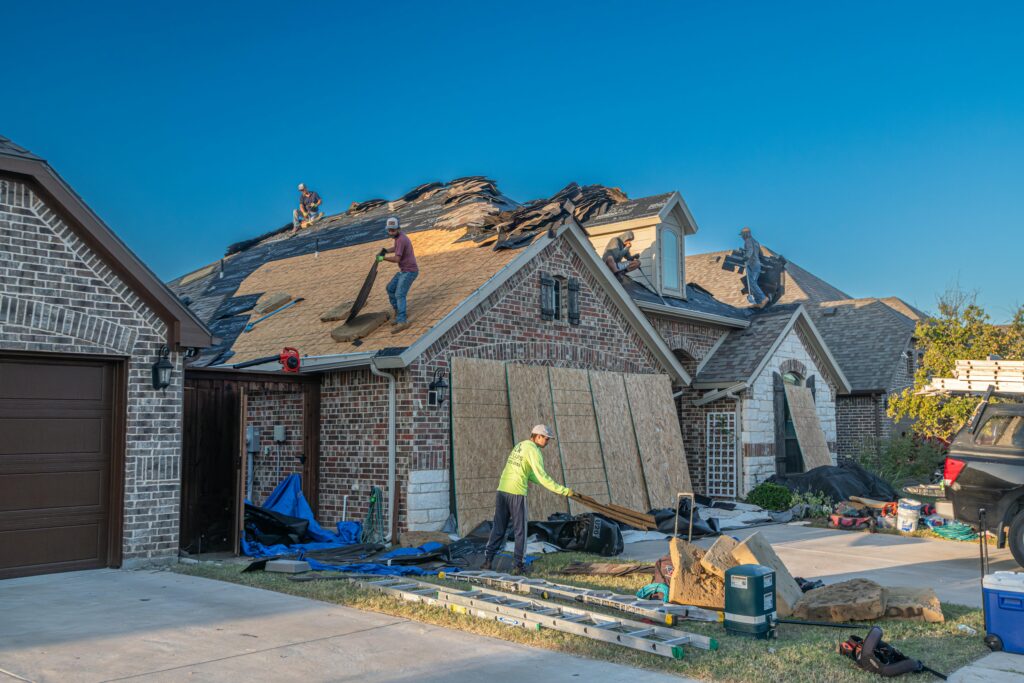
Workers are replacing shingles on the roof of a brick house. Several people are on the roof, while one person works on the ground. Tools, materials, and construction debris are scattered around the driveway.

The Benefits Of PVC Roofing For Commercial Flat Roofs

PVC roofing is one of the most reliable roofing options for commercial flat roofs. It is known for its durability, energy efficiency, chemical resistance, and strong waterproofing performance. For business owners and property managers, a roof is not just a cover over the building. It protects inventory, equipment, employees, tenants, customers, and long-term property value. Commercial PVC roofing offers a modern solution for flat and low-slope buildings. The PVC roofing material is flexible, reflective, heat-weldable, and suitable for demanding roof environments. As modern roofing trends move toward energy savings, longer roof life, and lower maintenance, PVC continues to be a smart option for commercial buildings. What Is PVC Roofing and How It Works PVC roofing is a single-ply flat roofing system made from polyvinyl chloride. It is commonly used on commercial flat and low-slope roofs. Unlike older multi-layer roofing systems, PVC uses one main membrane layer to create a waterproof roof surface. The seams are usually heat-welded, which helps create a strong bond between membrane sections. This makes PVC roof systems useful for buildings that need reliable water protection, energy performance, and long-term durability. PVC roofing is often installed over insulation boards or cover boards. The full system may include the membrane, fasteners, adhesives, flashing, edge details, drains, and walkway pads. Understanding PVC Roofing Membrane A PVC roofing membrane is a flexible waterproof sheet designed for commercial flat roof protection. It is made from PVC material and often includes internal reinforcement for strength and stability. The membrane is considered a single-ply system because one main sheet provides the primary waterproofing layer. However, its performance depends on more than just the sheet itself. Thickness, reinforcement, seam welding, flashing, insulation, and installation quality all affect long-term results. Types of PVC Roofing Systems PVC roofing systems are usually installed using fully adhered or mechanically fastened methods. Each system has a different purpose depending on roof design, wind exposure, deck type, and budget. A fully adhered PVC system uses adhesive to bond the membrane to insulation or the roof substrate. This creates a smooth appearance and helps reduce membrane movement. Some projects may also require cover boards, tapered insulation, custom flashing, roof drains, and walkway protection. The right PVC membrane roof structure should always match the building’s needs. Durability and Weather Resistance of PVC Roofing PVC roofing is valued because it performs well in tough weather conditions. Commercial flat roofs face heat, rain, wind, snow, UV exposure, and moisture throughout the year. A weak flat roof system can crack, split, leak, shrink, or fail when exposed to these conditions. PVC roof systems are designed to resist many of these problems. The membrane stays flexible enough to handle normal roof movement while still providing strong waterproofing protection. For commercial properties, durability matters because roof failure can interrupt business operations. A leak can damage inventory, ceilings, electrical systems, equipment, tenant spaces, and customer areas. A durable PVC roof helps reduce these risks. Heat, Rain, and Wind Performance PVC roofing performs well under heat, rain, and wind when installed correctly. Its reflective surface can help reduce heat absorption, while the membrane itself resists water intrusion. Rain is one of the biggest threats to flat roofs because water does not run off as quickly as it does on pitched roofs. PVC helps by creating a continuous waterproof surface with heat-welded seams. Wind resistance depends on installation quality. Proper fastening, secure edge details, strong flashing, and correct seam welding help the roof handle heavy weather. If edges or seams are poorly installed, wind can create serious damage. This is why commercial PVC roofing should always be installed by trained professionals. Why PVC Works Well on Flat Roofs PVC works well on flat roofs because it is designed for low-slope waterproofing. It does not depend on steep slope to move water away quickly. Flat roofs need a membrane that can handle standing water risk, rooftop equipment, and frequent exposure to sun and moisture. PVC roofing material is built for these demands. The heat-welded seams are one of the biggest advantages. When properly welded, the seams can create a strong connection between membrane sheets. This helps reduce one of the most common flat roof problems: seam leaks. PVC also works well around drains, vents, HVAC units, parapet walls, and roof penetrations when flashing is installed correctly. Energy Efficiency Benefits of PVC Roofing PVC roofing can support energy efficiency because many PVC membranes are reflective. They help reflect sunlight instead of absorbing as much heat. For commercial buildings, roof temperature can affect indoor comfort and cooling costs. A dark roof can absorb heat and push that heat into the building. A reflective PVC roofing material can help reduce heat transfer, especially during warm months. Energy efficiency also supports modern building goals. Property owners want roofing systems that reduce waste, improve comfort, and support long-term savings. Commercial PVC roofing can help with those goals when combined with proper insulation and ventilation. Reflective Cool Roof Benefits Many PVC membranes are light-colored or reflective. This helps the roof reflect solar heat and reduce surface temperature. Cool roof performance is especially useful for commercial buildings with large flat roof areas. The larger the roof, the more heat it can absorb during summer. A reflective surface can help reduce heat buildup on the roof. This may also help reduce urban heat island effects in dense city areas. In cities, dark roofs and pavement hold heat, making surrounding areas warmer. Reflective roofing materials can help reduce this impact. PVC roofing supports cool roof strategies while also providing waterproofing and durability. HVAC Savings for Commercial Buildings A reflective PVC roof may help reduce cooling demand inside commercial buildings. When less heat enters through the roof, the HVAC system may not need to work as hard. Actual savings depend on building size, insulation, climate, roof color, HVAC efficiency, and indoor use. A warehouse, restaurant, retail store, or office building may see different results. PVC roofing works best when paired with proper insulation. The membrane reflects heat, while insulation slows

The Benefits Of PVC Roofing For Commercial Flat Roofs Read More »

flat Roofing Background image 05- NY Roofing

Advantages & Challenges Of Flat Roof Structures

In the ever-evolving world of architecture, where creativity and functionality intersect, flat roof structures have emerged as a compelling choice that challenges the conventional norms of roofing. Before getting a flat roof consult with an expert roofer. With a distinctive aesthetic appeal and a range of practical benefits, flat roofs have garnered significant attention in both residential and commercial settings. However, like any architectural concept, they come with their own set of advantages and challenges that warrant a thorough exploration. Advantages Of Flat Roof Structures Contemporary Aesthetic: Embracing the modern architectural spirit, flat roofs serve as a canvas to infuse buildings with an air of contemporary elegance. The strikingly clean lines and minimalist design inherent to flat roof structures resonate with the ethos of simplicity, offering a refreshing departure from the centuries-old dominance of pitched roofs in architectural landscapes. Optimized Space Utilization: The allure of flat roofs extends beyond aesthetics to encompass the realm of functionality and practicality. A standout advantage lies in the untapped potential of additional usable space that flat roofs bring to the table. This versatile expanse can be imaginatively repurposed into an array of amenities, ranging from verdant rooftop gardens that infuse nature into urban settings, to inviting outdoor lounges that offer an oasis of relaxation amidst the urban hustle. Solar Panel Installation: Amidst the prevailing global call for sustainable energy solutions, flat roofs emerge as an invaluable asset in the realm of environmentally conscious construction. The uniform plane of a flat roof provides an opportune platform for the seamless integration of solar panel installations. This alignment offers the advantageous ability to precisely orient and angle solar panels to optimize solar energy absorption, translating into enhanced energy production and substantial reduction in a building’s carbon footprint. Cost-Effective Construction: The inherent simplicity of the design of flat roofs offers a compelling financial advantage that extends beyond the aesthetic realm. This translates into a reduction in construction costs, a boon that resonates with both developers and homeowners. Accessibility and Maintenance: The strategic positioning of flat roofs on the accessibility spectrum significantly contributes to the practicality and cost-efficiency of ongoing maintenance endeavors. The easily navigable layout of flat roofs makes routine tasks, such as gutter cleaning, roofing material inspection, and even minor repairs, less arduous and time-consuming. This inherent accessibility can, over time, translate into quantifiable savings on maintenance costs. By minimizing the labor-intensive nature of upkeep, flat roofs offer a seamless fusion of practicality and cost-conscious sensibilities, enhancing their appeal as a sustainable architectural choice. Climate Adaptability: The versatility of flat roofs extends to their capacity to adapt harmoniously to diverse climatic conditions. Architects have the latitude to design flat roofs that seamlessly integrate tailored strategies to accommodate specific regional weather patterns. In areas susceptible to heavy snowfall, design modifications can be implemented to effectively distribute snow loads and alleviate potential structural stress. Conversely, regions characterized by scorching temperatures can benefit from integrated insulation and cooling solutions that ensure the comfort of building occupants while optimizing energy efficiency. The adaptability of flat roofs to climatic exigencies underscores their intrinsic resilience and underscores their stature as a pragmatic architectural response to the challenges posed by a rapidly changing environment. Challenges Of Flat Roof Structures Drainage Considerations: The distinctive design of flat roofs ushers in a need for meticulous attention to drainage solutions that goes beyond the scope of their pitched counterparts. Unlike pitched roofs that inherently facilitate natural water runoff, the nature of flat roofs demands thoughtful planning to ensure optimal drainage. The absence of a natural incline requires the integration of well-designed drainage systems to counteract the potential for stagnant water accumulation. The risks associated with improper drainage cannot be underestimated, as standing water becomes a breeding ground for various issues, from pesky leaks that compromise interior spaces to insidious structural deterioration that can subtly undermine the roof’s integrity over time. Addressing this drainage imperative is pivotal to the sustained health and functionality of flat roofs. Maintenance Demands: While the accessibility of flat roofs significantly streamlines maintenance procedures, it simultaneously underscores the heightened responsibility of regular and thorough inspections. The convenience of easy access to the roof’s surface must not lull homeowners or property managers into complacency. Instead, it underscores the imperative for proactive and vigilant monitoring to safeguard against potential challenges that might arise due to the unique demands of flat roofs. Routine inspections serve as the first line of defense, enabling the early detection of issues such as ponding water, membrane damage, or the gradual deterioration of insulation. By nipping these concerns in the bud, maintenance efforts transition from reactive responses to calculated preventative measures, thwarting the escalation of these issues into more severe problems that can trigger costly and extensive repairs. Waterproofing Complexity: Effective waterproofing is a fundamental aspect of flat roof design. Given the absence of natural water runoff, the selection of waterproofing materials and the precision of their installation become paramount to prevent water leakage and consequential damage to the structure. Insulation Challenges: Proper insulation of a flat roof can be challenging due to the expansive surface area. Without careful attention to insulation materials and installation techniques, the risk of heat loss or gain through the roof increases, potentially compromising the energy efficiency of the building. Design Limitations: While flat roofs offer a modern aesthetic, they may not complement every architectural style. Certain traditional or historical designs are better suited to pitched roofs, limiting the feasibility of incorporating flat roofs in structures that demand a specific architectural aesthetic. Conclusion In the ever-evolving realm of architectural innovation, flat roof structures stand as a testament to human ingenuity. Their modern aesthetic, potential for space optimization, and adaptability to sustainable technologies have solidified their place in contemporary architectural discourse. However, as with any architectural choice, these advantages are counterbalanced by a set of challenges that demand careful consideration. Contact us now at 553 Prospect Avenue Brooklyn NY 11215 (646)-838-0441 https://nyroofing.com to get professional advice for roofing choices.

Advantages & Challenges Of Flat Roof Structures Read More »

Shingle Roofing Background image 05- NY Roofing

Flat Roofing Vs. Sloped Roofing Factors To Consider

A new roof is a huge investment. Whether it’s a first-time installation or you are renovating an old property, you want the roof to last long and offer optimum protection for your family and belongings. Therefore, it’s imperative you make calculated choices from the roofing materials to the type of roof down to the ideal roofing contractor. Regarding the type of roof, sloped roofs and flat roofs are popular choices. Both roof types have their advantages and implications as well. This article covers the top 5 things to examine when comparing flat Vs. sloped roofs. Longevity And Maintenance Though a roof’s lifespan depends on various factors, such as the type of material used, and climate conditions, sloped roofs generally last longer than flat roofs and demand less maintenance. However, given their flat surfaces, flat roofs are easier to maintain as you won’t have to deal with steeper angles and strict safety precautions. With quality materials, sloped roofs last as long as 20-50 years against the flat roof’s shorter lifespan of 10-30 years. Cost Though the cost of a new roof depends on factors like size, roofing materials, and the complexity of the roof system, flat roofs are generally more affordable than sloped roofs. The installation process of a flat roof is less dangerous and requires fewer materials. However, maintaining a flat roof could be more expensive as it requires more inspection and cleaning. Space Utilization If you are a fan of breathtaking views or green rooftops, choosing between flat- and sloped-shaped shouldn’t be an issue. Flat roofs can be transformed into virtually anything from gardens to recreational areas. They are also more energy efficient and well-suited for solar panels. On the other hand, sloped roofs offer the advantage of additional attic or storage space. Climate And Weather The climate in your area should be a key factor when choosing a roof shape. If you are new in the area, do your findings and know how bad it gets during various seasons. Sloped roofs are great in regions that experience heavy rain and snowfall, as their steep pitch prevents snow buildup and ensures efficient water drainage. Flat roofs are more popular in regions with drier climates. Due to their flat surface, which holds more water and snow, flat roofs are more susceptible to issues like ice dams and leaks. Design And Aesthetics Aesthetically speaking, flat roofs offer a more modern appearance and are commonly seen in contemporary-looking homes and commercial buildings. Sloped roofs offer classic looks and are the conventional choice for residential properties. Conclusion As much as you’d want to stick to the building’s plan and design, it is also important to get the recommendation of a professional roofer to ensure the best possible results. You can contact NY Roofing at 553 Prospect Avenue, Brooklyn, NY 11215 (646) – 838 – 0441 https://nyroofing.com, and our expert team will recommend and install the best roof that fits your design, demands and budget.

Flat Roofing Vs. Sloped Roofing Factors To Consider Read More »