PVC roofing is one of the most reliable roofing options for commercial flat roofs. It is known for its durability, energy efficiency, chemical resistance, and strong waterproofing performance. For business owners and property managers, a roof is not just a cover over the building. It protects inventory, equipment, employees, tenants, customers, and long-term property value.
Commercial PVC roofing offers a modern solution for flat and low-slope buildings. The PVC roofing material is flexible, reflective, heat-weldable, and suitable for demanding roof environments. As modern roofing trends move toward energy savings, longer roof life, and lower maintenance, PVC continues to be a smart option for commercial buildings.
What Is PVC Roofing and How It Works
PVC roofing is a single-ply flat roofing system made from polyvinyl chloride. It is commonly used on commercial flat and low-slope roofs.
Unlike older multi-layer roofing systems, PVC uses one main membrane layer to create a waterproof roof surface. The seams are usually heat-welded, which helps create a strong bond between membrane sections. This makes PVC roof systems useful for buildings that need reliable water protection, energy performance, and long-term durability.
PVC roofing is often installed over insulation boards or cover boards. The full system may include the membrane, fasteners, adhesives, flashing, edge details, drains, and walkway pads.
Understanding PVC Roofing Membrane
A PVC roofing membrane is a flexible waterproof sheet designed for commercial flat roof protection. It is made from PVC material and often includes internal reinforcement for strength and stability.
The membrane is considered a single-ply system because one main sheet provides the primary waterproofing layer. However, its performance depends on more than just the sheet itself. Thickness, reinforcement, seam welding, flashing, insulation, and installation quality all affect long-term results.
Types of PVC Roofing Systems
PVC roofing systems are usually installed using fully adhered or mechanically fastened methods. Each system has a different purpose depending on roof design, wind exposure, deck type, and budget.
A fully adhered PVC system uses adhesive to bond the membrane to insulation or the roof substrate. This creates a smooth appearance and helps reduce membrane movement.
Some projects may also require cover boards, tapered insulation, custom flashing, roof drains, and walkway protection. The right PVC membrane roof structure should always match the building’s needs.
Durability and Weather Resistance of PVC Roofing
PVC roofing is valued because it performs well in tough weather conditions. Commercial flat roofs face heat, rain, wind, snow, UV exposure, and moisture throughout the year.
A weak flat roof system can crack, split, leak, shrink, or fail when exposed to these conditions. PVC roof systems are designed to resist many of these problems. The membrane stays flexible enough to handle normal roof movement while still providing strong waterproofing protection.
For commercial properties, durability matters because roof failure can interrupt business operations. A leak can damage inventory, ceilings, electrical systems, equipment, tenant spaces, and customer areas. A durable PVC roof helps reduce these risks.
Heat, Rain, and Wind Performance
PVC roofing performs well under heat, rain, and wind when installed correctly. Its reflective surface can help reduce heat absorption, while the membrane itself resists water intrusion.
Rain is one of the biggest threats to flat roofs because water does not run off as quickly as it does on pitched roofs. PVC helps by creating a continuous waterproof surface with heat-welded seams.
Wind resistance depends on installation quality. Proper fastening, secure edge details, strong flashing, and correct seam welding help the roof handle heavy weather. If edges or seams are poorly installed, wind can create serious damage.
This is why commercial PVC roofing should always be installed by trained professionals.
Why PVC Works Well on Flat Roofs
PVC works well on flat roofs because it is designed for low-slope waterproofing. It does not depend on steep slope to move water away quickly.
Flat roofs need a membrane that can handle standing water risk, rooftop equipment, and frequent exposure to sun and moisture. PVC roofing material is built for these demands.
The heat-welded seams are one of the biggest advantages. When properly welded, the seams can create a strong connection between membrane sheets. This helps reduce one of the most common flat roof problems: seam leaks.
PVC also works well around drains, vents, HVAC units, parapet walls, and roof penetrations when flashing is installed correctly.
Energy Efficiency Benefits of PVC Roofing
PVC roofing can support energy efficiency because many PVC membranes are reflective. They help reflect sunlight instead of absorbing as much heat.
For commercial buildings, roof temperature can affect indoor comfort and cooling costs. A dark roof can absorb heat and push that heat into the building. A reflective PVC roofing material can help reduce heat transfer, especially during warm months.
Energy efficiency also supports modern building goals. Property owners want roofing systems that reduce waste, improve comfort, and support long-term savings. Commercial PVC roofing can help with those goals when combined with proper insulation and ventilation.
Reflective Cool Roof Benefits
Many PVC membranes are light-colored or reflective. This helps the roof reflect solar heat and reduce surface temperature.
Cool roof performance is especially useful for commercial buildings with large flat roof areas. The larger the roof, the more heat it can absorb during summer. A reflective surface can help reduce heat buildup on the roof.
This may also help reduce urban heat island effects in dense city areas. In cities, dark roofs and pavement hold heat, making surrounding areas warmer. Reflective roofing materials can help reduce this impact.
PVC roofing supports cool roof strategies while also providing waterproofing and durability.
HVAC Savings for Commercial Buildings
A reflective PVC roof may help reduce cooling demand inside commercial buildings. When less heat enters through the roof, the HVAC system may not need to work as hard.
Actual savings depend on building size, insulation, climate, roof color, HVAC efficiency, and indoor use. A warehouse, restaurant, retail store, or office building may see different results.
PVC roofing works best when paired with proper insulation. The membrane reflects heat, while insulation slows heat transfer. Together, they support better indoor temperature control.
Over time, reduced HVAC strain may help lower energy costs and improve equipment performance. This makes PVC a smart choice for many commercial property owners.
Low Maintenance Requirements of PVC Roofing
PVC roofing is known for lower maintenance needs compared to many older flat roofing systems. It still needs regular inspections, but routine care is usually manageable.
Commercial property owners appreciate PVC because it can reduce emergency repair issues when installed correctly. The surface is easy to inspect, and common problem areas such as seams, drains, flashing, and roof penetrations can be checked during maintenance visits.
PVC roofing installation quality plays a big role in maintenance. A properly installed system with good drainage, strong seams, and clean flashing will usually require fewer repairs than a poorly installed roof.
Easy Inspections and Cleaning
PVC roofs are relatively easy to inspect because the membrane surface is visible. Roofers can quickly check for punctures, loose flashing, clogged drains, open seams, or damage around rooftop equipment.
Cleaning is also simple in most cases. Leaves, dirt, branches, and debris should be removed so water can flow properly. Drains, scuppers, and gutters should stay clear to prevent ponding water.
Routine inspections should be scheduled after heavy storms and at least seasonally. Commercial roofs with heavy foot traffic or rooftop equipment may need more frequent checks.
Easy inspection helps catch small problems before they become expensive leaks.
Long-Term Maintenance Savings
PVC roofing may help reduce long-term maintenance costs because it resists many common flat roof problems. Strong seams, chemical resistance, and reflective performance all support roof life.
That does not mean PVC is maintenance-free. No flat roof should be ignored. However, compared to some older systems, PVC can offer better long-term roof repair control.
Small repairs are usually easier when problems are found early. A professional roofer can address punctures, flashing issues, or seam concerns before water reaches the insulation or deck.
For commercial properties, fewer roof problems can mean fewer tenant complaints, fewer business interruptions, and better budget planning.
Chemical Resistance for Industrial Applications
PVC roofing is often chosen for commercial and industrial buildings because it offers strong resistance to chemicals, oils, grease, and certain contaminants.
This makes PVC a practical option for restaurants, food processing facilities, factories, warehouses, and buildings with rooftop exhaust systems. In these environments, roof surfaces may be exposed to substances that can damage other roofing materials.
Some flat roofing systems may break down faster when exposed to grease or chemical residue. PVC is designed to handle these conditions better than many standard options.
Protection Against Oils and Grease
Restaurants and commercial kitchens often have rooftop exhaust fans that release grease particles. Over time, grease can settle on the roof surface and weaken certain materials.
PVC roofing is known for better resistance to grease and oils. This makes it a strong choice for restaurants, cafeterias, food service buildings, and commercial kitchens.
The membrane still needs cleaning and inspection. Grease buildup should not be ignored because it can affect drains, rooftop equipment, and safety. However, PVC gives property owners a better chance of long-term roof protection in these conditions.
For food-related businesses, this chemical resistance can be a major advantage.
Best Uses for Industrial Buildings
Industrial buildings often have tougher roof conditions than standard offices or homes. They may have rooftop equipment, exhaust systems, chemical exposure, foot traffic, and larger roof areas.
PVC roofing can perform well in these demanding environments. It is suitable for warehouses, factories, restaurants, retail centers, apartment buildings, and manufacturing facilities.
It is also useful where moisture resistance and seam strength are important. A commercial PVC roof can protect large roof surfaces while supporting energy efficiency and chemical resistance.
Before choosing PVC, the building owner should explain the building’s use to the roofing contractor. This helps the contractor recommend the right membrane thickness, attachment method, and roof assembly.
Longevity and Cost-Effectiveness of PVC Roofing
PVC roofing can be cost-effective because it offers long-term durability, energy benefits, and lower maintenance needs. The upfront installation cost may be higher than some basic systems, but lifetime value can be stronger.
Commercial building owners should not judge roofing by initial cost only. A cheaper roof may need more repairs, more maintenance, and earlier roof replacement. PVC may cost more at first, but it can reduce problems over time.
The availability of PVC roofing rolls in different sizes and thicknesses also helps contractors match the material to the project. Larger rolls may reduce the number of seams on some roofs.
PVC Roof Lifespan
The lifespan of PVC roofing systems depends on material quality, installation, weather exposure, roof traffic, maintenance, and drainage. A well-installed PVC roof can provide many years of commercial flat roof protection.
Roof life improves when drains are clear, seams are inspected, flashing is maintained, and rooftop equipment areas are protected. Walkway pads may also help where technicians frequently access HVAC units.
Poor installation can shorten lifespan. Weak seams, trapped moisture, bad drainage, or incompatible materials can lead to early failure.
A professional maintenance plan helps protect the roof and extend performance.
Installation Cost vs Lifetime Value
PVC roofing installation cost depends on roof size, access, insulation needs, membrane thickness, attachment method, old roof removal, and project complexity.
A small commercial roof may cost less than a large building with multiple drains, parapet walls, HVAC units, and damaged decking. Labor costs also vary based on roof height, safety needs, and installation method.
Lifetime value is where PVC becomes attractive. Energy efficiency, lower maintenance, strong waterproofing, and chemical resistance can all reduce long-term expenses.
Commercial owners should compare the full lifecycle cost, not just the installation quote. A roof that lasts longer and performs better may provide better value.
PVC Roofing vs TPO for Commercial Flat Roofs
PVC roofing and TPO roofing are both single-ply membrane systems used on commercial flat roofs. They may look similar, but their performance strengths are different.
PVC is known for chemical resistance, strong heat-welded seams, and durability in demanding commercial environments. TPO is often chosen for reflectivity, energy efficiency, and cost-conscious flat roof projects.
Both systems can work well when installed correctly. The better choice depends on building use, climate, rooftop exposure, budget, and maintenance expectations.
| Feature | PVC Roofing | TPO Roofing |
| Best Use | Restaurants, industrial roofs, commercial buildings | Warehouses, offices, retail buildings |
| Seam Strength | Heat-welded seams with strong waterproofing | Heat-welded seams with good performance |
| Chemical Resistance | Strong resistance to grease and chemicals | Usually less chemical-resistant than PVC |
| Energy Efficiency | Reflective options available | Reflective options available |
| Flexibility | Good flexibility and durability | Good performance but varies by product |
| Cost | Often higher upfront | Often more budget-friendly |
| Long-Term Value | Strong in harsh environments | Strong for general commercial use |
PVC vs TPO Performance
PVC roofing may perform better in environments with grease, oils, chemical exposure, or harsh rooftop conditions. This makes it useful for restaurants, factories, and industrial facilities.
TPO roofing is also popular for commercial buildings. It is reflective, energy-efficient, and often more affordable than PVC. For general office buildings, warehouses, and retail spaces, TPO may be a strong option.
The main difference is chemical resistance. PVC usually has the advantage in harsher environments, while TPO may be preferred for budget-friendly cool roof performance.
A roofer should inspect the building before recommending either system.
Best Use Cases for Each System
PVC is often the better choice for restaurants, food service buildings, industrial properties, and commercial roofs exposed to grease or chemicals.
TPO may be better for offices, warehouses, schools, retail centers, and buildings where reflectivity and cost control are the main priorities.
Both systems require professional installation. Heat-welded seams must be done correctly, and flashing must be carefully detailed.
Choosing between PVC and TPO should depend on real roof conditions, not only material price.
PVC Roofing vs EPDM for Flat Roof Applications
PVC roofing and EPDM roofing are both used on flat and low-slope roofs, but they are different materials with different strengths.
PVC is a thermoplastic membrane with heat-welded seams. EPDM is a synthetic rubber membrane that is usually joined with adhesives or seam tape.
PVC vs EPDM Durability
PVC roofing is durable in environments where chemical resistance, grease resistance, and seam strength are important. Its heat-welded seams are a major benefit for waterproofing.
EPDM is also durable and flexible. It performs well on many low-slope roofs, especially where chemical exposure is not a major concern.
Energy Efficiency and Maintenance Differences
PVC roofing often has an advantage in energy efficiency because reflective membranes are common. These surfaces can help reduce heat absorption and support cool roof performance.
EPDM may need a reflective coating or lighter membrane option to deliver similar heat reduction. Maintenance also differs because PVC seams are heat-welded, while EPDM seams rely more on adhesives or seam tapes.
For long-term commercial use, PVC may be better when chemical resistance, reflectivity, and strong seam performance are priorities.
Commercial vs Residential PVC Roofing Applications
PVC roofing is most common on commercial flat roofs, but it can also be used on some residential properties with flat or low-slope sections.
Commercial PVC roofing is used on offices, restaurants, warehouses, apartment buildings, retail properties, and industrial facilities. These buildings often need strong waterproofing, large roof coverage, rooftop equipment protection, and reliable energy performance.
Residential PVC roofing may be used on brownstones, row homes, garages, additions, rooftop decks, and modern flat roof sections.
Commercial PVC Roofing Uses
Commercial PVC roofing is ideal for buildings with large flat roof areas, rooftop equipment, tenant spaces, and demanding waterproofing needs.
Restaurants benefit from PVC because of grease and chemical resistance. Warehouses and offices benefit from reflectivity and long-term durability. Apartment buildings benefit from waterproofing and maintenance control.
Commercial roofs also require stronger planning. Drainage, flat roof insulation, safety access, roof traffic, and code requirements all matter.
PVC is a strong choice when the building needs durability, energy performance, and long-term protection.
Residential PVC Roofing Uses
Residential PVC roofing can work well on homes with flat or low-slope roof sections. This includes brownstones, row houses, garages, porches, additions, and modern-style homes.
PVC may be useful where homeowners want a reflective, durable, low-maintenance membrane roof. It can also work well on rooftop areas that need strong waterproofing.
However, not every home needs PVC. Some residential roofs may be better suited for shingles roof, EPDM, TPO, or modified bitumen depending on slope, design, and budget.
A professional inspection helps determine if residential PVC roofing is the right choice.
PVC Roofing Installation Process Explained
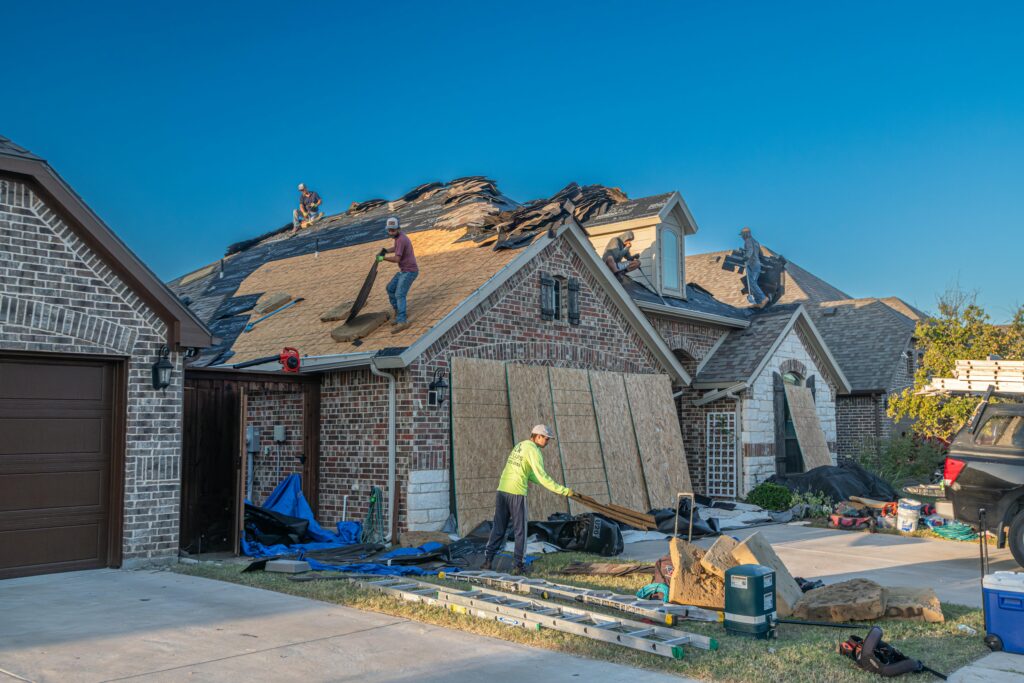
PVC roofing installation requires planning, skill, and attention to detail. The roof must be prepared correctly before the membrane is installed.
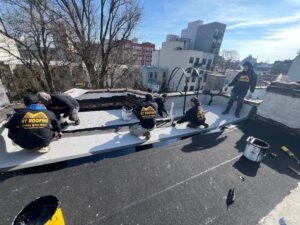
The process usually starts with inspection. The roofer checks the existing roof, deck condition, drainage, insulation, leaks, and rooftop equipment. Damaged or wet materials may need to be removed.
After preparation, insulation or cover boards may be installed. Then the PVC membrane is positioned, secured, welded, flashed, and inspected.
Step-by-Step Installation Overview
PVC roofing installation usually includes surface preparation, insulation placement, membrane layout, attachment, seam welding, flashing, and final inspection.
The membrane may be fully adhered or mechanically fastened. Seams are heat-welded using special equipment to create a watertight bond.
Flashing is installed around drains, flat roof vents, HVAC units, skylights, parapet walls, and roof edges. These areas need extra care because they are common leak points.
The final step is inspection. The roofer checks seams, edges, drains, and details to confirm the roof is properly sealed.
Common Installation Mistakes to Avoid
PVC roofing can fail early if installation is rushed or poorly done. Common mistakes include weak seam welding, poor flashing, bad drainage planning, and using incompatible materials.
Another mistake is installing new roofing over wet or damaged materials. Trapped moisture can create future problems under the membrane.
Poor edge securement can also lead to wind damage. Commercial roofs need strong perimeter details because wind pressure often attacks roof edges first.
Choosing an experienced PVC roofing company helps prevent these mistakes and protects long-term roof performance.
Finding a Reliable PVC Roofing Company Near You
Searching for PVC roofing near me can help you find local contractors, but not every roofer has the same flat roof experience.
PVC roofing requires specialized knowledge. Contractors must understand commercial flat roofs, heat welding, insulation, drainage, flashing, and manufacturer guidelines.
A reliable contractor should inspect the roof before making recommendations. They should explain the system clearly and help you compare PVC with other flat roofing options.
How to Search for PVC Roofing Near Me
When searching for PVC roofing near me, look beyond the first result. Check reviews, service pages, photos, project experience, and whether the company handles commercial flat roofs.
A good PVC roofing company should mention membrane systems, flat roof installation, roof inspections, roof leak repair, maintenance, and commercial roofing services.
Local experience matters too. A contractor familiar with your climate, building types, and roof conditions can make better recommendations.
Ask whether they have installed PVC on buildings similar to yours.
What to Check Before Hiring
Before hiring a PVC roofing company, check licensing, insurance, warranties, installation experience, and material knowledge.
Ask about the membrane brand, thickness, attachment method, insulation, drainage plan, and maintenance recommendations. A professional contractor should answer clearly without pushing only one option.
Also ask for proof of insurance and a written estimate. Commercial roofing projects should include clear scope, materials, timeline, warranty details, and cleanup responsibilities.
The right contractor will help you choose a system based on building needs, not just price.
Is PVC Roofing the Right Choice for Your Flat Roof?
PVC roofing is a strong choice for many commercial flat roofs, especially buildings that need durability, chemical resistance, energy efficiency, and reliable waterproofing.
It is ideal for restaurants, warehouses, retail spaces, offices, apartment buildings, factories, and commercial properties with rooftop equipment. It also performs well in areas with heavy rain, strong sun, and demanding roof conditions.
PVC may not be the cheapest option upfront, but it can provide excellent long-term value.
Ideal Building Types for PVC Roofing
PVC roofing is especially useful for restaurants, commercial kitchens, warehouses, retail buildings, apartment buildings, schools, offices, and industrial facilities.
For flat roofs that need strong seam performance and moisture resistance, PVC is often a smart choice.
A roofer can confirm whether your roof structure, drainage, and use case match a PVC system.
When PVC May Not Be the Best Fit
PVC may not be the best fit when the budget is very limited and the roof has low exposure to chemicals or grease. In those cases, TPO or EPDM may be considered.
It may also not be ideal if the roof structure needs major repair before any membrane can be installed. Deck damage, trapped moisture, and poor drainage should be corrected first.
PVC performs best when installed as part of a complete roof system. If the building owner is not ready to address insulation, flashing, drainage, or old roof damage, results may suffer.
Conclusion: Why PVC Roofing Is a Smart Investment
PVC roofing is a smart commercial investment because it offers durability, energy efficiency, chemical resistance, low maintenance, and long-term value. For flat and low-slope roofs, these benefits are especially important.
Commercial property owners should think beyond the initial installation cost. The right PVC roofing material can reduce repair needs, improve building protection, and support better long-term performance.
Looking for expert PVC roofing installation or a trusted PVC roofing company? NY Roofing provides professional commercial flat roof inspections, PVC roofing installation, and long-term roofing solutions in NYC. Call (646) 838-0441 or visit 553 Prospect Ave., Brooklyn, NY 11215 to schedule your free consultation and quote today.
FAQs: PVC Roofing for Commercial Flat Roofs
How long does a PVC roofing membrane last?
A PVC roofing membrane can last for many years when installed correctly and maintained regularly. Lifespan depends on membrane quality, roof traffic, drainage, weather exposure, installation method, and maintenance. Regular inspections help protect seams, flashing, drains, and rooftop penetrations.
Is PVC roofing better than TPO for flat roofs?
PVC roofing may be better than TPO for flat roofs exposed to grease, chemicals, oils, or harsh commercial conditions. TPO may be more budget-friendly for general commercial use. The better option depends on building type, climate, roof use, and long-term performance needs.
Can PVC roofing be used on residential buildings?
Yes, PVC roofing can be used on some residential buildings with flat or low-slope roof sections. It may work well for brownstones, row homes, garages, additions, and rooftop areas. A professional inspection is needed to confirm roof slope, drainage, and compatibility.
What maintenance does a PVC roof require?
A PVC roof needs regular inspections, drain cleaning, debris removal, seam checks, flashing review, and minor repairs when needed. Property owners should inspect the roof after major storms and schedule professional maintenance to keep the membrane performing properly.
How do I find the best PVC roofing company near me?
To find the best PVC roofing company near you, check experience with commercial flat roofs, licensing, insurance, reviews, warranties, and PVC membrane installation skills. Choose a contractor who understands heat-welded seams, flashing, drainage, insulation, and long-term roof maintenance.